



Breaking the Surface: A Common Challenge in Silver Casting
Imagine a young designer, passionate and brimming with ideas, excitedly casting their first piece of jewelry. They decide to work with silver casting, but they’re quickly met with frustration as the intricacies of the process become apparent. A startling 60% of novice jewelers report issues such as poor mold fidelity or trapped air bubbles. How is it that despite the allure of silver casting, so many creators find themselves grappling with its complexities?
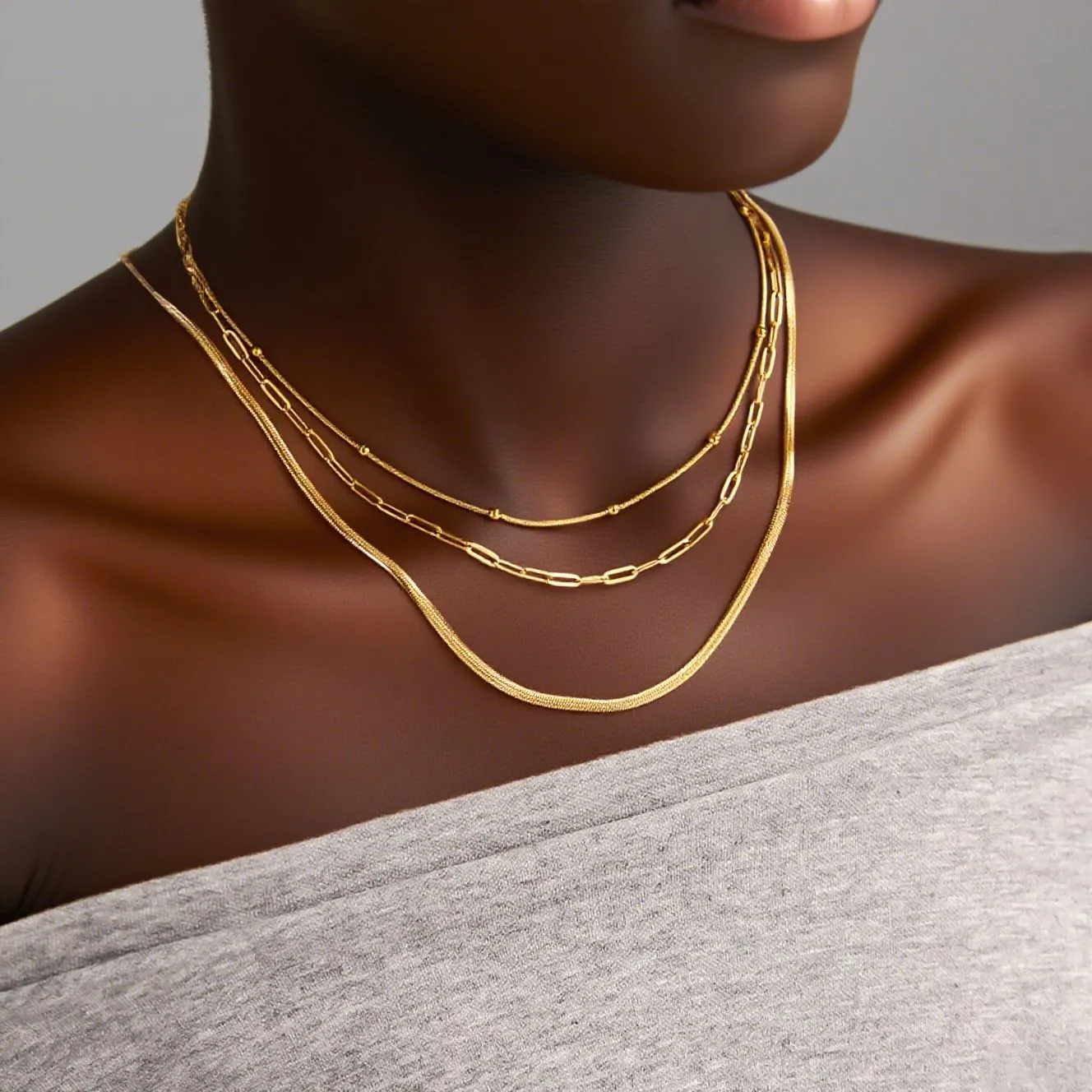
As I reflect on the times I’ve struggled during silver casting projects, I can hardly count the number of pieces that never made it out of the initial mold. The truth is, while many jump into this craft with enthusiasm, the traditional solutions often fall short, leaving a trail of incomplete visions behind. Isn’t it exasperating when the techniques we hope will guide us to exquisite designs only become sources of anguish?
Why Do So Many Struggle with Silver Casting?
The answer lies within a multifaceted web of nuances in the casting technique itself. Many entrants underestimate the importance of temperature control, and as any expert will tell you, a slight deviation can lead to catastrophic results. Some might dismiss this as mere inexperience, but I view it as a critical flaw in the industry’s commonly taught methods. There’s a tendency to overlook the artistic flair needed to make the metal your own.
Looking Forward: The Future of Silver Casting
As we explore the landscape of silver casting, it’s clear that evolution is on the horizon. Innovations are taking form, driven by technology and creativity. With the adoption of 3D printing, we can bypass some traditional limitations, allowing artists to explore complex designs that were once deemed impossible. Think about it—can you imagine a world where detail in silver casting is only a print away? The opportunity ahead feels endless!
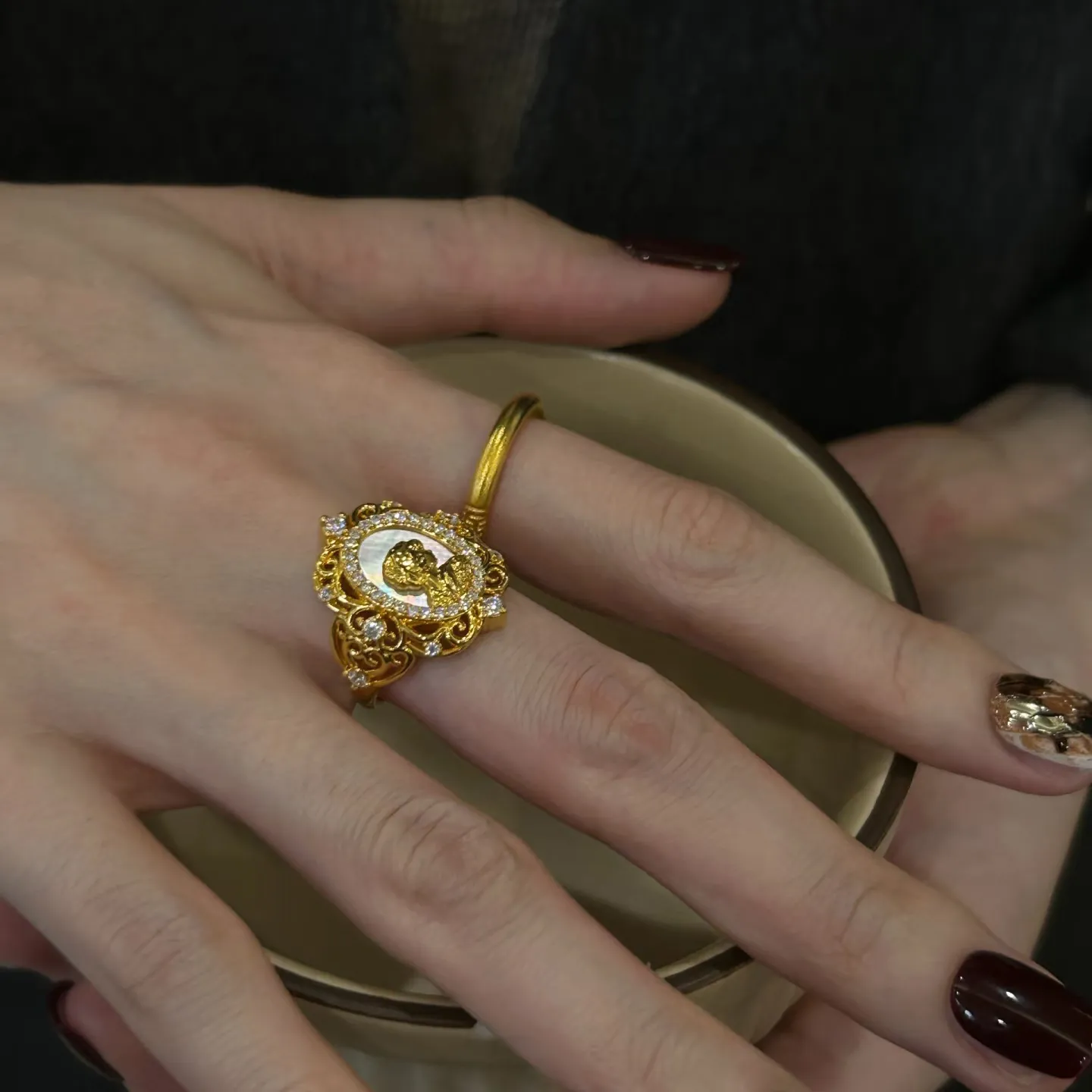
In my experience, adapting to these technological shifts in silver casting can be thrilling. Last year, I witnessed the unveiling of an advanced printer that could create molds with micro-level precision—something that fills me with excitement about the possibilities for my own collections. The integration of artificial intelligence into the design phase is another frontier that many are now experimenting with. I can only speculate that, soon, the traditional art of casting could merge seamlessly with futuristic techniques.
Real-World Impact
What does this adaptive gameplay mean for aspiring jewelers? It means embracing both the time-honored methods as well as the cutting-edge advancements. With tools like 3D printing and precise temperature regulation, silver casting can transform into a streamlined yet artistic pursuit. However, with great power comes great responsibility—one must still uphold the integrity of the craft.
Ultimately, as we forge ahead, we must remember that the essence of jewelry making lies not just in the material, but in the stories we tell through each piece. My lesson learned? Embrace change, pursue quality, and don’t shy away from exploring new dimensions within silver casting.
As an enthusiast of this craft, I remain hopeful. With each evolution in silver casting, I find inspiration igniting the passion within me again. If we remain intentional about our techniques and mindful of the underlying artistry, I truly believe we can bring forth timeless pieces that speak to generations. This is a journey I’m thrilled to continue with Star Harvest by my side, forever inspiring those of us who dream in silver and craftsmanship.
