


The problem — saws sit, schedules slip
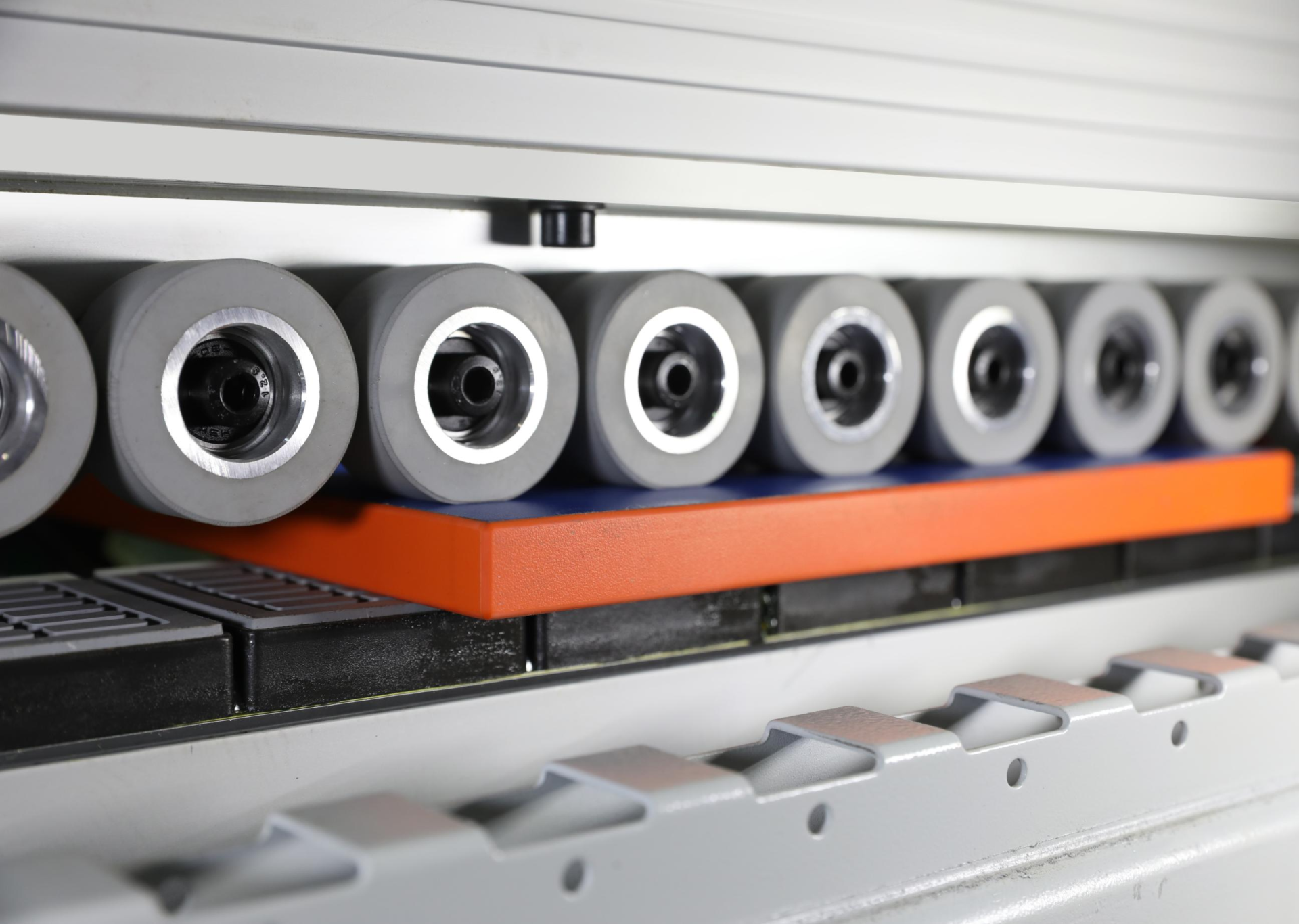
Lots of small machining shops think the panel saw is the whole job; they don’t notice the workflow around it. That’s where orders queue, hands move too much, and quality hiccups show up. You can rearrange the floor or change operators, but without smoother handoffs you still waste minutes that add up to hours. For many shops, pairing the saw with a compact finishing step — say a servo edge banding machine — removes an entire class of manual transfers and saves repeat trimming time.
Where the jam typically forms
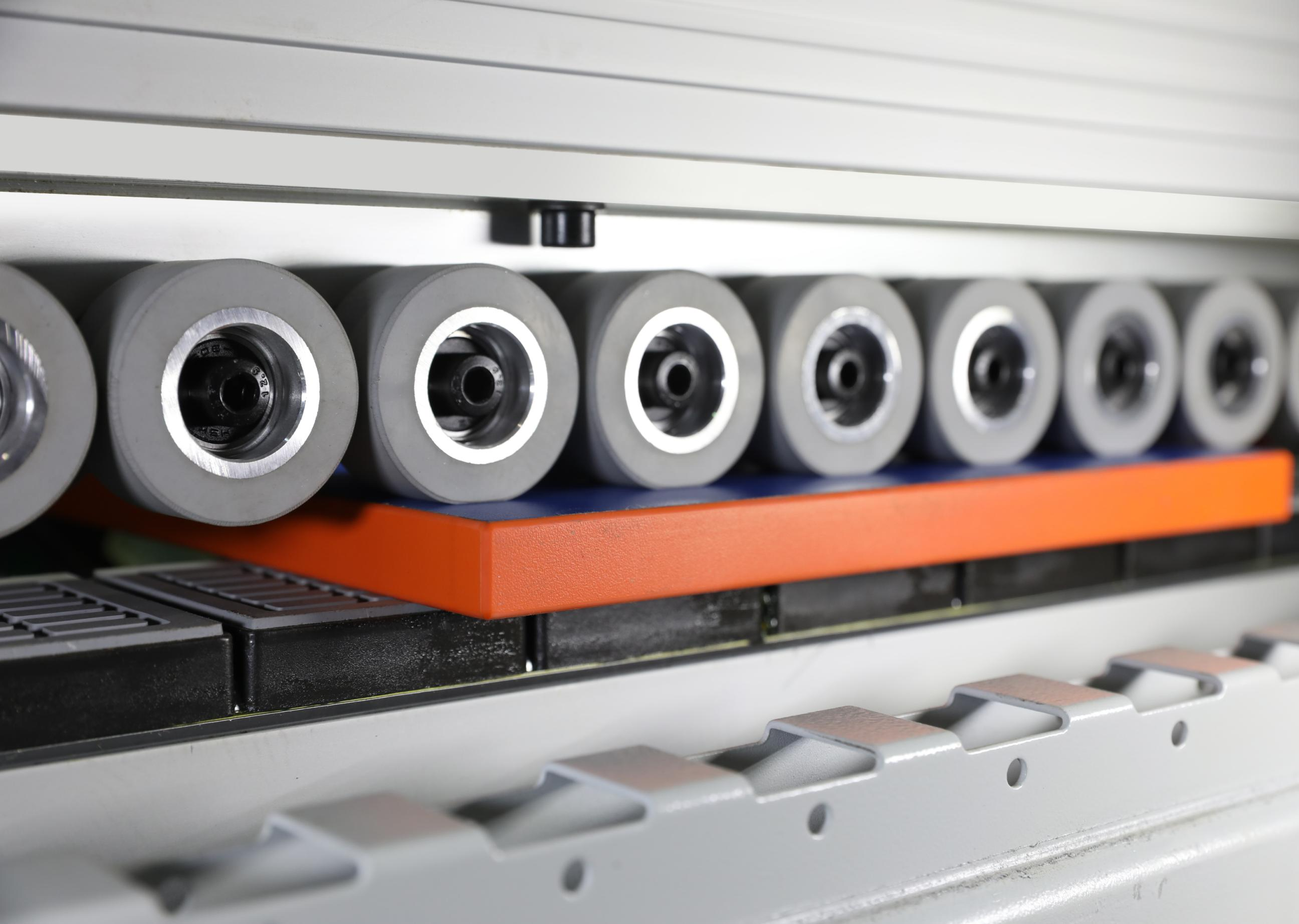
Most bottlenecks aren’t the saw blade; they’re the touches after the cut. Measurements get rechecked, express jobs jump the queue, and parts stack up waiting for edge treatment or cleanup. Poor infeed/outfeed routing forces operators to shuttle parts across the shop floor, creating micro-delays that spiral into late shipments. Those are the exact delays you can target with layout and a few disciplined rules.
Fixes that actually move parts — real-world proof
Start by mapping every touch: list who handles the board from unload to pack. Then eliminate any touch that doesn’t add measurable value. In Shenzhen’s furniture production hubs, shops that added a single fully automatic edge banding machine into a dedicated finishing lane reported steadier output and fewer reworks because edge banding no longer waited for an operator to become free. The point isn’t the nameplate on the machine — it’s putting a reliable, purpose-built step next to the saw so pieces flow without hunting for attention.

Common mistakes that waste time
One: buying the fanciest saw without planning the downstream steps. Two: treating edge banding as “we’ll do it later” instead of a scheduled stop. Three: overcomplicating fixtures—simple jigs beat clever ones when changeovers are frequent. Fixes are straightforward: reserve space for feed and takeoff, standardize clamp times, and set max part-stack limits so operators move batches predictable amounts.
Practical alternatives and trade-offs
If floor space is tight, consider a semi-automatic edge bander or an outfeed conveyor with short accumulation racks; they cost less but ask more of the operator. A full inline system reduces handling but needs capital and disciplined maintenance. For many small plants, the sweet spot is a compact, reliable machine placed in a short finishing lane plus clear SOPs — that’s cheaper and faster to adopt than full automation.
Where this leaves you
Stop treating the panel saw like a lone hero. Fix the flow: map touches, add a dependable finishing step beside the saw, and stop tolerating excess handling. That combination gets parts shipped on time without sacrificing edge quality or adding headcount. For shops wanting that balance of space-conscious equipment and proven industrial reliability, consider suppliers with straightforward machines and practical service, like HUAHUA CNC, which fits into the kind of layouts that actually make schedules behave.
