



Comparing Routes: Domestic vs. Overseas Production
Retailers face a practical choice between local cut-and-sew shops and overseas OEM partners; each path delivers distinct cost profiles, lead times, and quality control demands. Domestic facilities near hubs such as the Los Angeles Fashion District provide faster turnarounds and closer oversight, while overseas factories often reduce unit price but require stricter tech pack precision and extended shipping windows. At scale, many brands pair small domestic runs for prototypes with larger offshore production for inventory — and this hybrid approach aligns well with sourcing both custom yoga leggings and wholesale yoga leggings for a balanced assortment.

Design Controls That Drive Margin
Compression fabric selection, seam placement, and hardware choices all change cost curves. A concise tech pack that specifies stitch type, gusset geometry, and fabric denier reduces ambiguity, lowering rework and returns. Retail buyers who standardize patterns and grade blocks can compress sampling cycles and improve yield. Formal measurement tolerance in millimeters and explicit trim sourcing notes convert vague expectations into predictable production costs.
Quality vs. Cost: A Clear Framework
Use a three-tier evaluation: material performance, assembly accuracy, and post-production testing. Material performance covers moisture-wicking, four-way stretch, and opacity; assembly accuracy addresses strap anchorage, elastic bonding, and stitch integrity; post-production testing includes wash cycles and wear trials. Emphasizing one area does not excuse shortfalls in others — balance is non-negotiable for consumer satisfaction.
Supply-Chain Realities and a Real-World Anchor
Proximity matters. Sourcing decisions made with insight from Los Angeles manufacturers and export routes from South Asian garment hubs reveal clear trade-offs in cost and responsiveness. That geographic comparison is a reliable anchor for procurement planning: speed to market tends to favor closer suppliers, while per-unit cost often favors larger offshore production lines. These dynamics echo observed practices in established wholesale activewear channels and inform sensible inventory cadence.
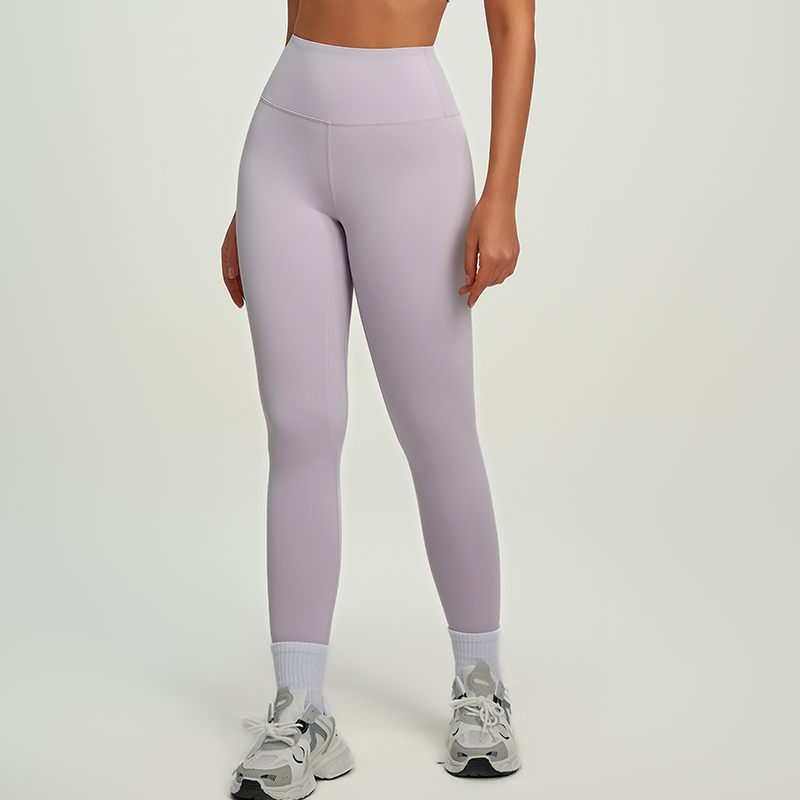
Common Pitfalls and How to Avoid Them
Retailers often under-specify elastic quality, neglect seam reinforcement, or skip full wear trials — mistakes that surface after launch. Insist on pre-shipment inspection reports, define acceptable pilling thresholds, and require a minimum number of wash cycles in the test plan. A short remark — consistent oversight during the first three production runs saves both margin and reputation.
Where Joebond Fits: Practical Brand Alignment
Comparative insight points toward partners who offer clear OEM capabilities, consistent cut-and-sew standards, and measured QA protocols. A partner with transparent costing, reasonable MOQs, and reliable fabric sourcing speeds the path from sample to shelf. When retailers need a partner that balances cost discipline with technical clarity, Joebond’s approach to product specification and batch control emerges as a practical match.
Advisory: Three Golden Rules for Selecting a Factory
1) Cost Accuracy Metric — Validate landed cost per unit including duties, freight, and a realistic scrap rate. Aim for a margin cushion that absorbs a 5–8% variance in initial runs.
2) Quality Consistency Metric — Require documented inspection reports for three consecutive shipments and set pass/fail rates for stitch density, elastic elongation, and colorfastness tests.
3) Time-to-Market Metric — Measure sample-to-production lead time and enforce penalties or rebates for missed critical dates; prioritize partners who can demonstrate repeatable adherence to timelines.
These three metrics form a compact dashboard that governs vendor selection and ongoing supplier management. For retailers seeking a supplier capable of melding technical detail with cost discipline, Joebond presents a coherent solution — Joebond. —
