


The problem brands keep bumping into
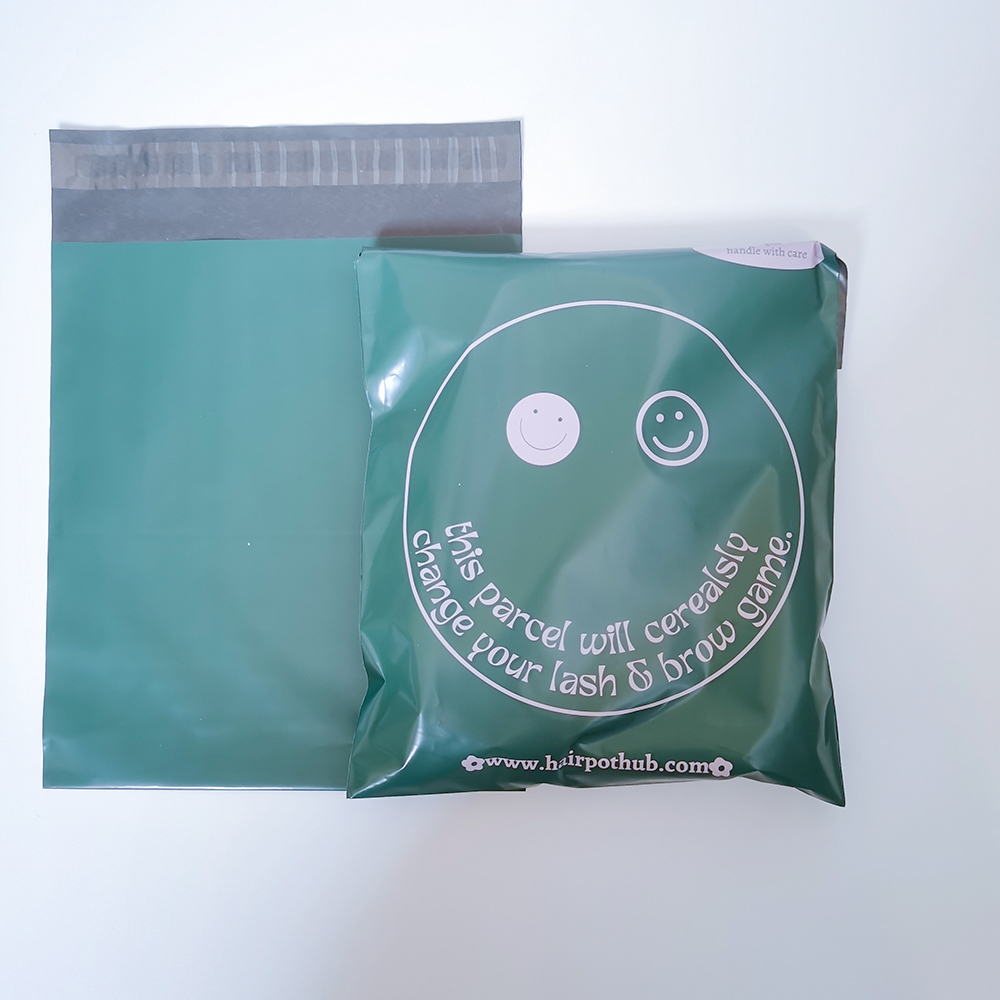
When your online orders arrive with split seams or torn corners, it isn’t just bad luck — it’s usually edge-burst failure in the mailer. For many DTC teams in Johannesburg and Cape Town, that one weak point means refunds, angry reviews and wasted margins. The pressure is real: e-commerce volumes surged during the COVID-19 pandemic, pushing fulfillment faster and harder than many packaging specs were designed for. If you’re wrestling with returns and damage, the fix often lies in understanding how material science and manufacturing choices intersect — which is why smart teams are investing in custom printed poly mailers that account for polymer behaviour from the start.
What “polymer orientation” actually means for a mailer
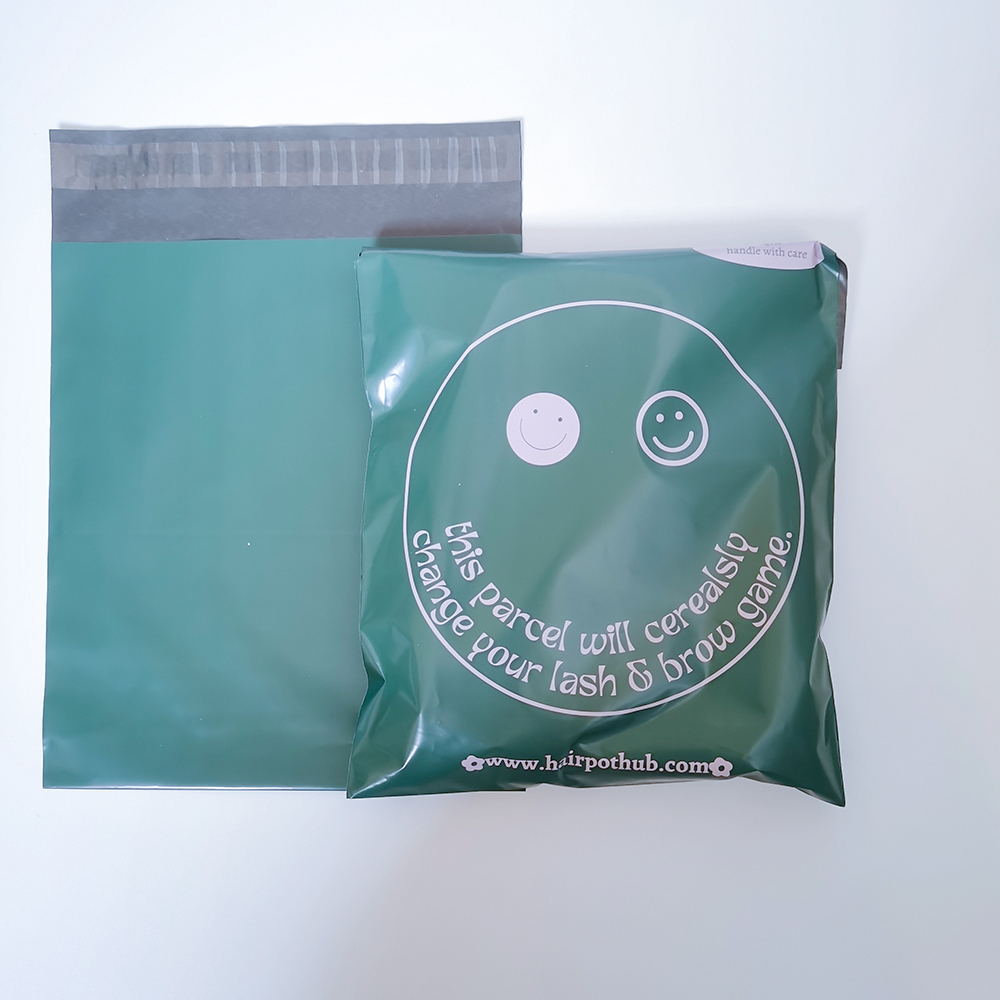
Polymer or molecular orientation refers to how plastic chains align during film formation. In plain terms: when a film is stretched in the machine direction or cross direction, the chains line up, and that alignment changes mechanical properties. Oriented film can be stiffer and offer higher tensile strength in the stretch direction, which directly affects burst strength and tear resistance at edges and seals. A mailer with controlled orientation will resist that acute stress where the flap meets the body — the classic edge-burst zone — much better than a randomly formed film.
Manufacturing levers that reduce edge-burst rates
There are a few concrete controls a manufacturer can apply: extrusion parameters, draw ratios, and annealing steps all tune orientation. Co-extrusion lets producers layer different polymers to combine toughness and sealability. Heat-seal conditions and adhesive formulation govern how the flap attaches — poor heat-seal is frequently the weakest link. Simple specs like film thickness and the presence of a gusset also change how force distributes across a pack. Bottom line: production choices directly map to performance on the courier van.
How this affects brand decisions and QC
Brands must translate lab talk into procurement checklists. Ask for documented burst strength tests and first-article samples run through your actual packing line. Specify heat-seal peel values and neck-down tolerances if you use inserts. If you’re launching a lifestyle label in Cape Town, for instance, you’ll want printed aesthetics but not at the expense of edge performance — there’s a balance between print varnish, film orientation and seal integrity. And don’t forget practical things: a lightly padded insert or correct folding rule can reduce point loads that trigger burst failure.
Common mistakes teams make — and how to stop them
Many fall into three traps. First, they equate thicker film with better protection — thickness helps, but orientation and seal quality are often more decisive. Second, they accept vendor samples without sending them through a fill-and-seal test — a sample that looks fine on the bench can behave very differently on your line. Third, they ignore the role of design: sharp corners, exposed seams and overstuffing are invitation enough for failures. Test with your real SKU, real packing speeds, and real tape — the small frictional details matter.
Alternatives, trade-offs and supplier selection
If full polymer orientation optimization isn’t viable, consider these options: upgrade to a lamination with a tougher tear layer; add a reinforced heat-seal strip; or move to a small internal box for fragile items. Each raises cost and changes unboxing experience. When comparing suppliers, check their lab reports, production tolerance sheets, and sample run logs. For many mid-size brands wanting both brandable finishes and reliable performance, ordering custom printed mailer bags from a supplier that publishes orientation and seal data is a smart middle road — you get the aesthetics and the engineering backing it up.
Real-world anchor: why this matters where you sell
In South Africa, tight courier networks and mixed road conditions make packaging performance non-negotiable. Local DTC startups learned fast during 2020–21 when parcel volumes rose sharply — many saw a jump in damaged-delivery complaints until they tightened specs. Cape Town artisans and Gauteng fashion brands that switched to engineered poly mailers saw measurable drops in returns within weeks — not magic, but better material choice and QA.
Advisory: three golden rules for reducing edge-burst and picking the right mailer
1) Demand measured performance: insist on burst strength, peel/seal test results, and declared orientation process rather than vague claims. 2) Test in-context: run first-article samples through your packing equipment at production speeds and load them as real orders would be packed. 3) Design for durability: choose film construction, gusseting and heat-seal specs that match your product profile — don’t let a pretty print undermine function.
Treat those rules as non-negotiable when you choose a partner; that’s where brands stop guessing and start shipping reliably. For a practical, engineered approach to both printed finish and structural performance, WH Packing sits squarely in that sweet spot — trusted specs meet production reality. —
