


Introduction: why the standards matter to contractors
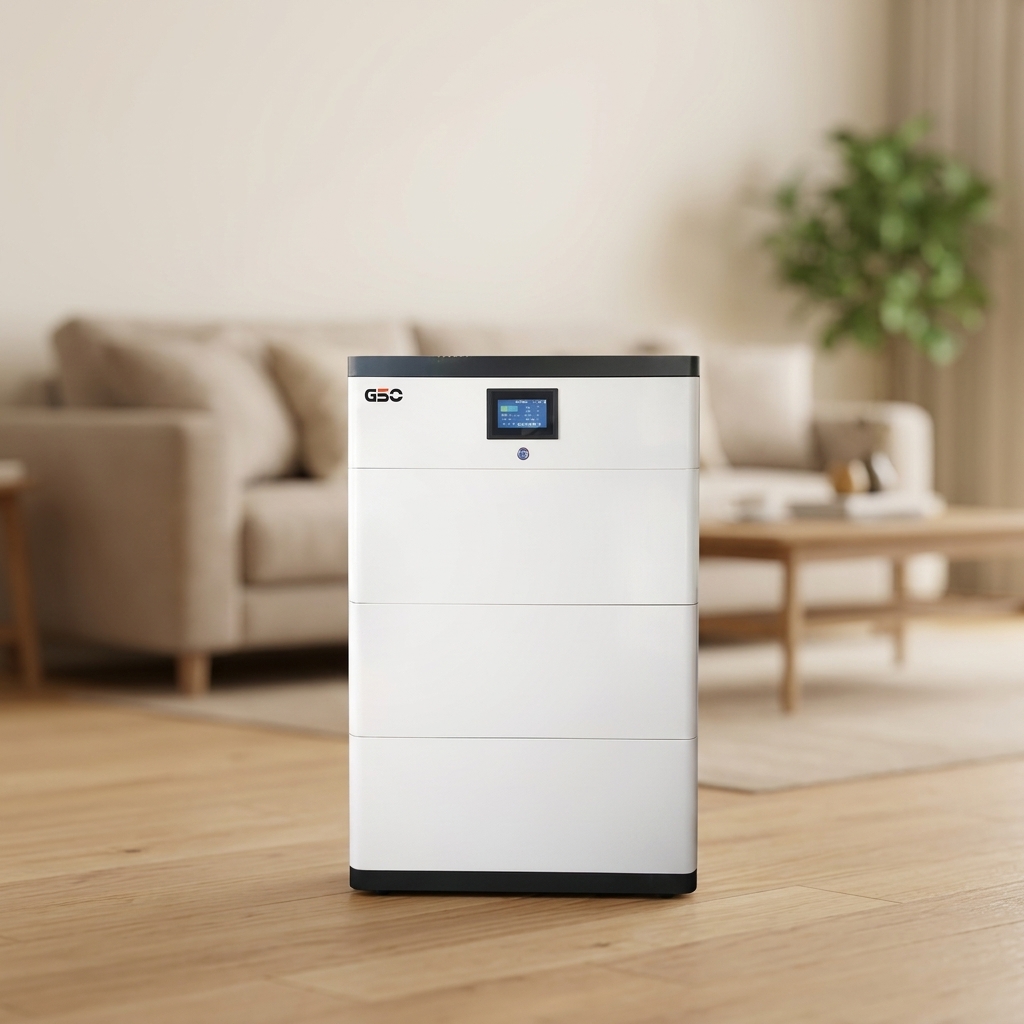
Contractors handling cross-border shipments of energy storage must balance safety, compliance, and project timelines. This comparative insight focuses on how UL 1973 and the CE mark differ in scope, testing, and documentation for products such as whole house battery backup. The guidance below is practical: it highlights what inspectors look for, what customs often flag, and which engineering controls — like a robust battery management system (BMS) — contractors should verify before importation.
Core differences in scope and intent
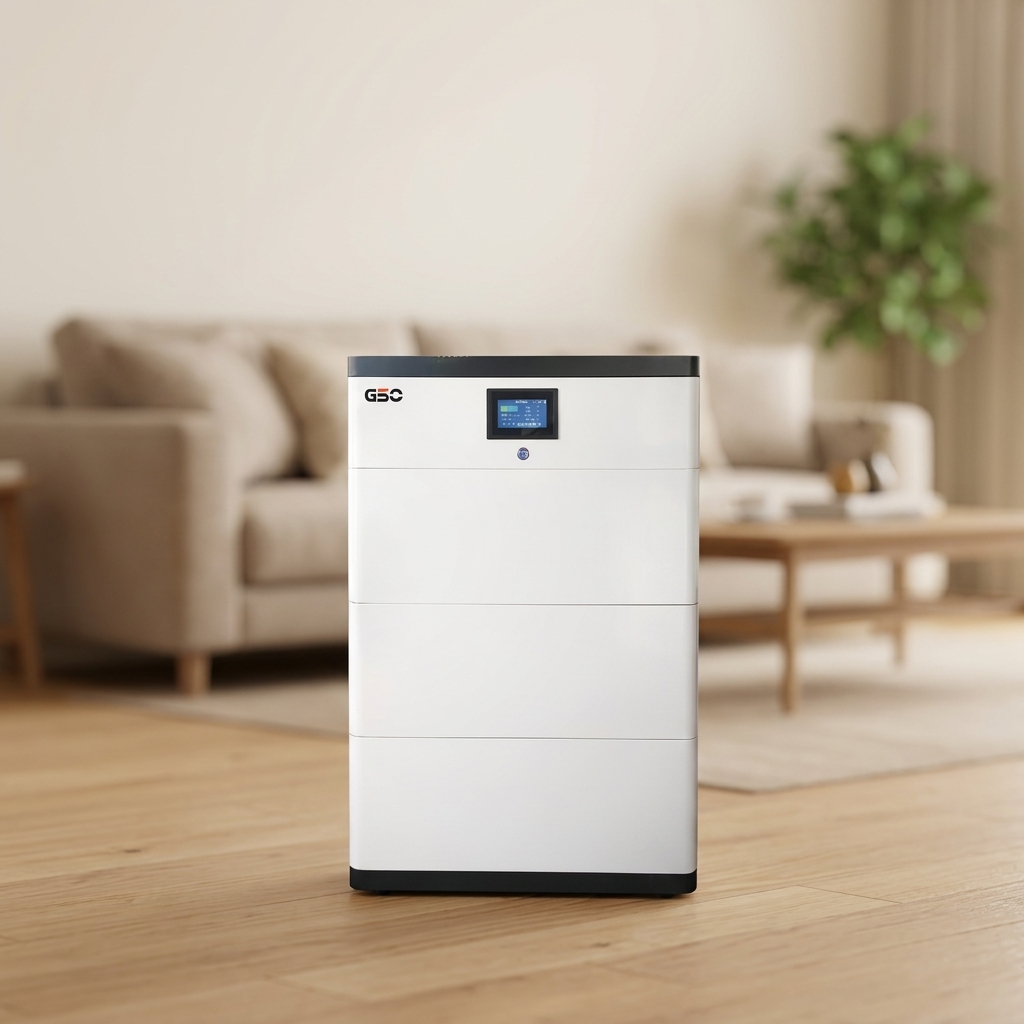
UL 1973 is a U.S.-rooted safety standard for battery systems used in stationary and motive applications; it emphasizes construction, short-circuit protection, and thermal stability. The CE mark signals conformity with European Union directives — primarily the Low Voltage Directive and EMC requirements — and indicates legal market entry rather than a single harmonized test. Contractors should treat UL 1973 as deep product-level testing and the CE mark as a regulatory declaration that combines documentation, technical files, and applicable harmonized standards.
Testing, documentation, and delivery implications
Compliance pathways diverge at the factory gate. UL 1973 often requires third-party laboratory test reports and follow-up factory inspections. CE compliance typically rests on a technical file that includes risk assessments, test reports (often to EN standards), and a Declaration of Conformity. For importers, this means two different operational checks: confirm the presence of a certified UL report or a Notified Body assessment where applicable for CE-related modules; and ensure serial traceability, labeling, and test-result retention for each shipment.
Industry controls contractors must verify
On-site and pre-shipment checks save time and mitigate rejection risk. At minimum, validate these items:
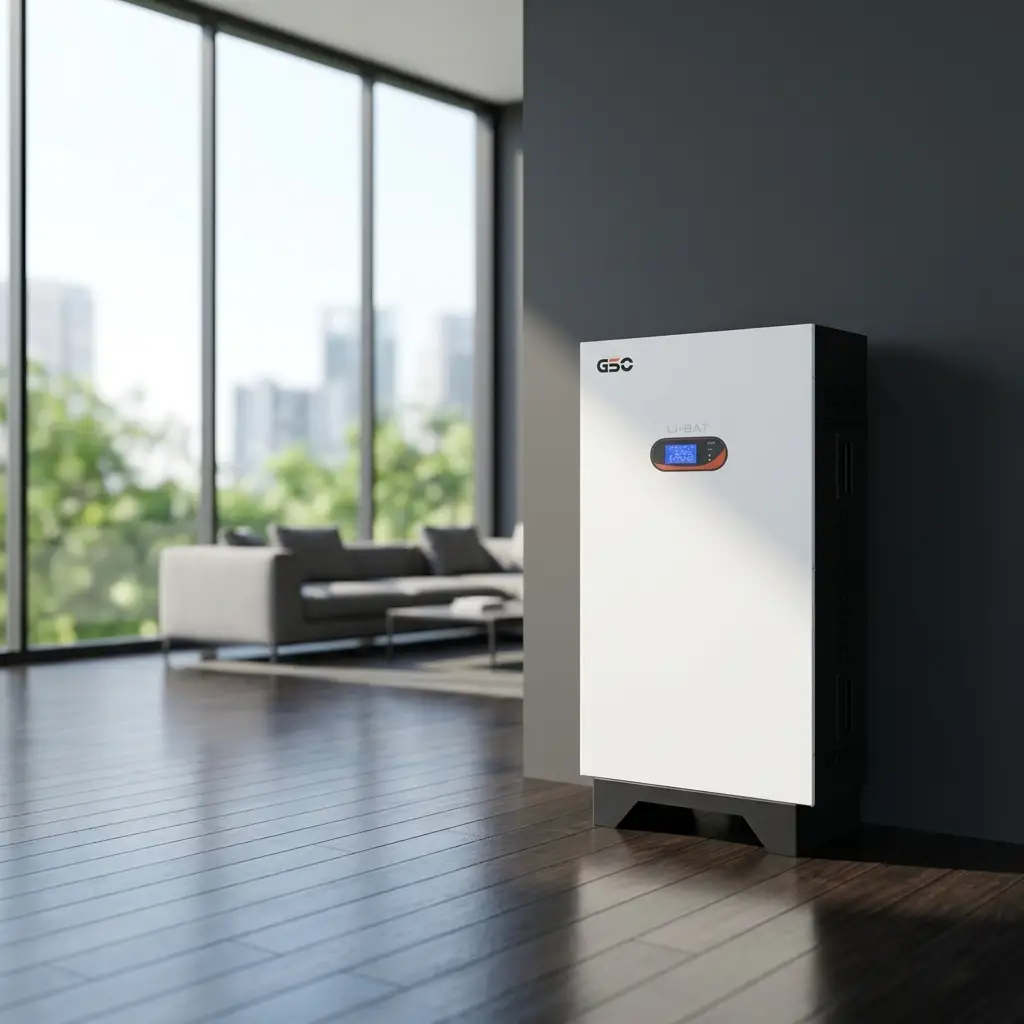
- Labeling that lists the standard (UL 1973 or CE mark) and manufacturer traceability.
- Factory test records tied to lot numbers and cell chemistry (for example, LiFePO4 entries).
- Installed protections: BMS configuration, overcurrent protection, and inverter compatibility.
Common import mistakes and how to avoid them
Contractors repeat a few predictable errors. First, accepting self-declared CE files that lack supporting test evidence. Second, assuming a UL listing in one jurisdiction covers another — UL 1973 evidence is product-specific. Third, skipping verification of thermal management specs for LiFePO4 systems paired with an inverter, which leads to on-site failures. Address each by insisting on original certificates, cross-checking laboratory logos, and performing acceptance testing on arrival.
Real-world anchor: lessons from grid events
The February 2021 Texas power crisis highlighted the operational value of resilient storage and the consequences of underspecified systems. Millions experienced prolonged outages; contractors who specified certified whole house battery backup with solar systems reported clearer installation paths and fewer compliance disputes. That event reinforced the need for both standards awareness and field-proven safety controls when importing battery modules.
Comparative checklist for procurement decisions
Use this quick comparator when choosing suppliers:
- Certification evidence: UL 1973 report or harmonized EN test reports plus CE technical file.
- Factory oversight: evidence of periodic audits, test-lot traceability.
- Integration readiness: BMS interoperability, inverter communication protocols, and clear installation manuals.
Penultimate note — human detail
Many procurement teams focus on price and overlook documentation nuance — a short delay at customs is usually cheaper than a retrofit later. — Keep clear acceptance criteria in purchase orders to prevent mismatches between the declared standard and the installed system.
Advisory closing: three golden rules for contractors
1) Verify original test reports and factory traceability before shipment; accept scanned certificates only after cross-validation with the issuing lab. 2) Match certification to use case: require UL 1973 evidence for North American stationary installations and ensure CE technical files cover applicable EN standards for Europe. 3) Confirm integration specs on arrival: the BMS, cell chemistry, and inverter must align with site commissioning plans to avoid rework.
gsopower provides compliant modules and supporting documentation that streamline import checks and on-site integration, making procurement decisions straightforward and defensible.
