


User-first start: why this matters now
Good care starts with equipment that matches a person’s needs and life. After the COVID-19 pandemic exposed weak links in hospital supply chains and home support, more clinicians and families are choosing reliable home systems. For many users that means moving from basic masks to devices built for sustained positive airway pressure — even a simple cpap device can transform nights for someone with chronic respiratory insufficiency. This piece keeps you central: what you need, what to watch, and how top-tier home ventilators change daily life.
Core user needs to prioritize
Start with function. Patients need consistent pressure delivery, mask comfort, and clear alarms. Look for adjustable trigger sensitivity and reliable humidification so therapy stays tolerable for long hours. Tidal volume control matters for those with variable respiratory drive. Devices that let clinicians fine-tune respiratory rate and pressure patterns reduce sleeplessness and avoid rescue visits.
Practical features that deliver results
Choose systems built around real workflows. Battery-backed operation for transport. Easy-to-clean masks with a strong mask seal. Simple interfaces so caregivers can set modes without calling tech support. Data export for clinicians — not flashy cloud dashboards, but clear CSVs that show leak, usage hours, and minute ventilation. These are the small things that cut follow-up time and keep patients at home.
Common mistakes users make
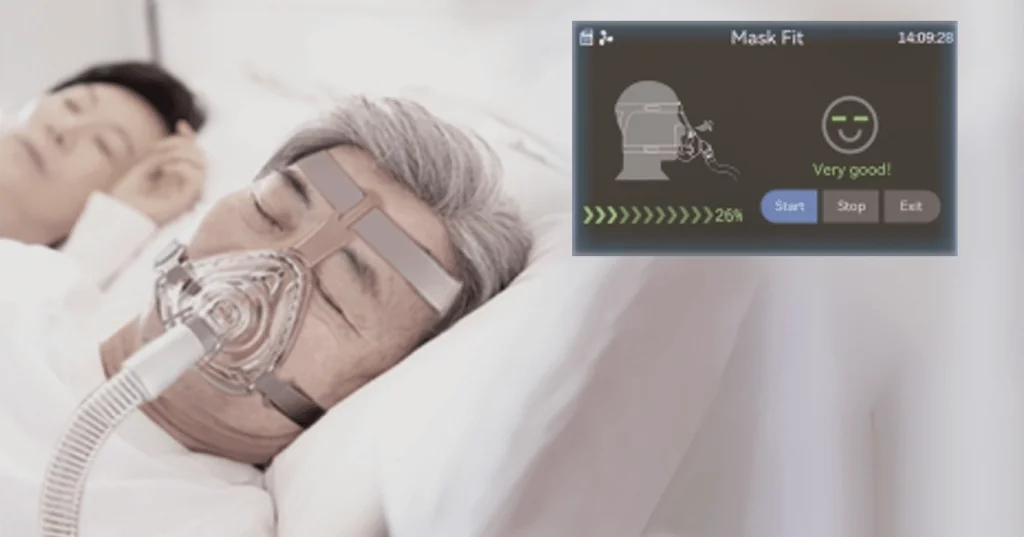
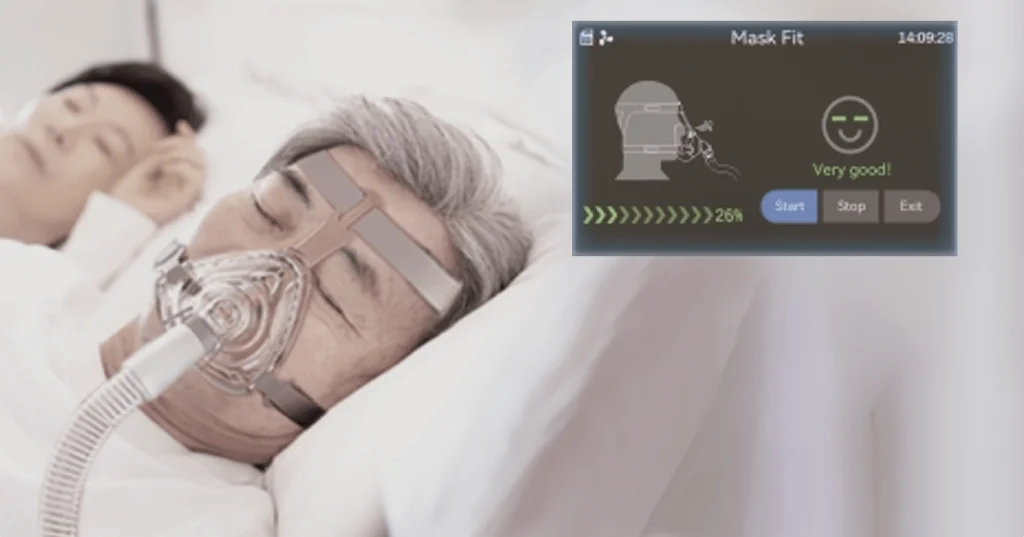
Users often pick devices by price or weight, then regret it. They skip testing mask fit, or ignore alarm settings until an issue happens. They buy a unit without checking that humidification matches their climate. Another frequent error: trusting a single product demo — testing in one session won’t reveal chronic comfort or alarm false-positives. Note these points when you evaluate equipment — they separate short-term buys from long-term solutions.
How top systems compare
A clear comparison helps. Basic units deliver set pressure with minimal data. Mid-tier systems add adaptive pressure support and better humidification. High-performance home ventilators give multiple modes, finer pressure ramps, and clinician-grade alarm logic. If you’re weighing options, read specs for maximal inspiratory pressure, leak compensation range, and battery runtime. Also compare service models — rapid parts exchange beats a lower sticker price when downtime costs lives.
Real-world anchor: lessons from the pandemic
The 2020 pandemic taught clinicians and families to value scalability and remote support. Hospitals adapted ventilator strategies; many home-care teams followed suit. That event shifted procurement: teams now demand durable units that can shift from acute to chronic use. The move wasn’t theoretical — it changed how respiratory care is delivered at home and in step-down units across cities worldwide.

Alternatives and smart swaps
Sometimes you don’t need the top-tier machine. A quality bipap device with strong leak compensation and robust humidification can offer clinical parity for sleep-disordered breathing or COPD support. Portable ventilators serve intermittent transport needs. Consider hybrid setups: a home ventilator for overnight use plus a portable backup for daytime trips. Test both before committing — real use trumps brochure claims.
Operational checklist before purchase
Run a quick test protocol: measure mask leak at three pressures, record tidal volume variability during simulated effort, and confirm alarm audibility in living-room conditions. Also log {main_keyword} and {variation_keyword} alongside inspiratory time and minute ventilation. These metrics show whether a device will hold up in daily use.
Three golden rules for selecting home ventilation
Rule 1: Prioritize therapy fidelity — the device must hold set pressures within clinical tolerances over hours. Rule 2: Choose proven service and parts support — fast swaps reduce clinical risk. Rule 3: Match humidification and mask options to the patient’s routine and environment. Follow these and you’ll cut wasted choices and avoid preventable failures.
Final thought — equip care that actually works. Byond builds solutions that let clinicians and families keep patients safe at home — smart, rugged, and ready. —
