


Opening comparison — recipe, not rumor
Taste determines which flour you reach for; the same goes for mixers. I line up manufacturers like I’d line up brands of cocoa — looking, testing, measuring. Start by comparing what their specs actually do to your formula: shear rate, tip speed, ease of powder entry, and cleanability. When the product calls for rapid, dust-free incorporation, a lab powder mixer changes how the recipe reads on paper and how it behaves in the bowl. Comparative Insight means putting two or three contenders through identical trials and trusting the results, not the brochure language.
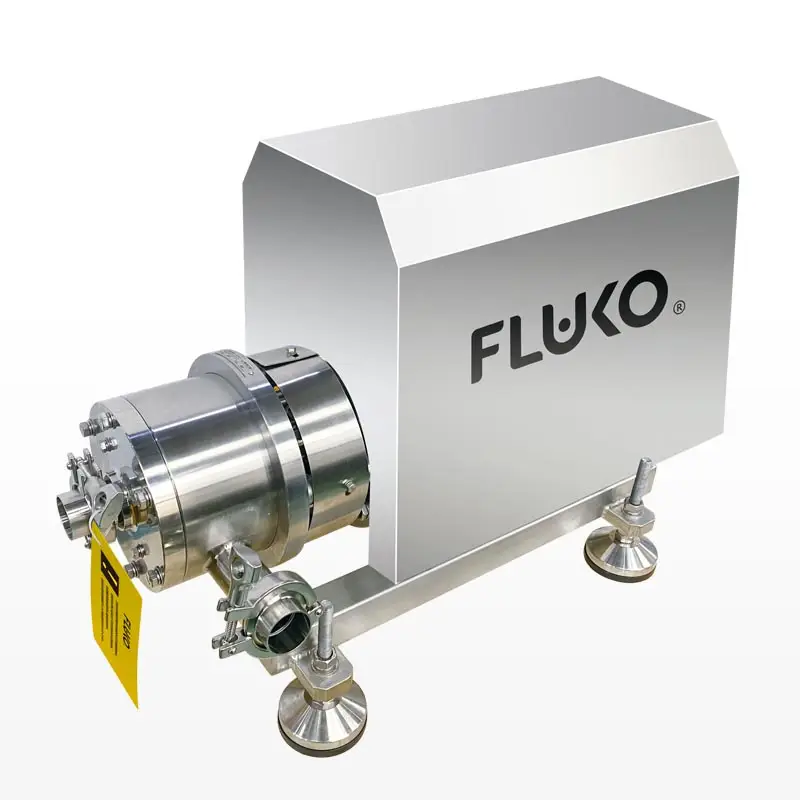
Core criteria to weigh against each other
Measure mechanical honesty first: motor horsepower vs. sustained torque at operating speed, shaft rigidity, and bearing ratings. Materials matter — 316L contact surfaces resist pitting with saline or acidic blends; PTFE seals tolerate surfactants. Inspect seal designs and serviceability: can a seal be swapped mid-shift without full disassembly? Compare control systems: closed-loop speed control and torque feedback give repeatable textures; simple variable-frequency drives may not. Check vendor-supplied curves — power draw vs. viscosity — and compare them to your own viscosity ladder. Warranty terms and spare-part lead times are telling: short lead times and documented MTBF data beat glossy marketing every time.
Real-world anchor and evidence — demonstrations you can trust
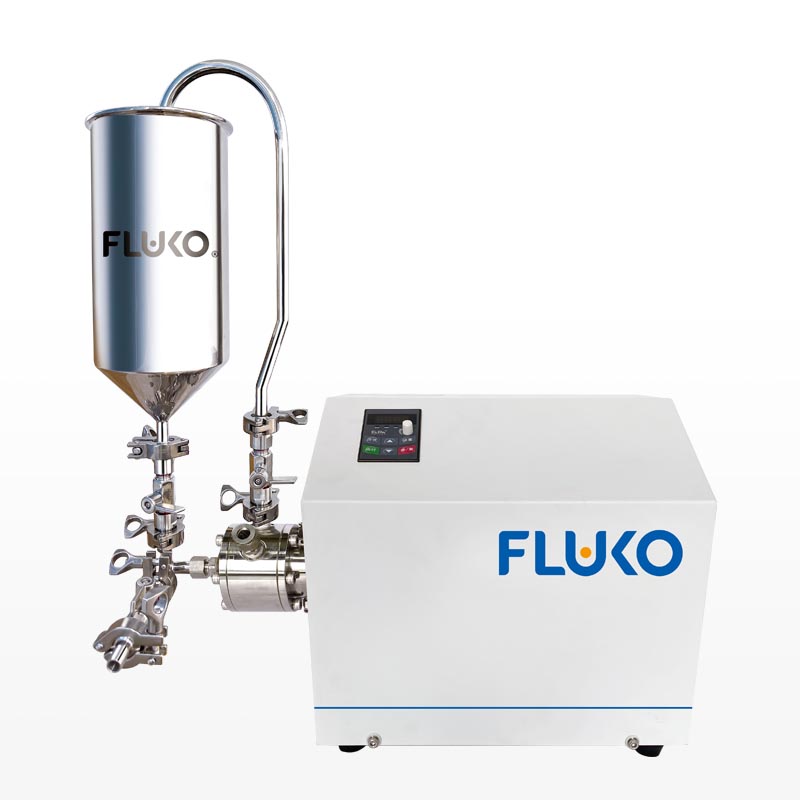
Field demonstrations at Pittcon have shown how benchtop demonstration rigs reveal the gaps between claimed vs. delivered performance, especially for gentle powder wetting and rapid dispersion; that same hands-on scrutiny is useful when evaluating production-scale units. For a focused benchtop assessment, try a benchtop powder induction system under your formula conditions so you see shear profiles and powder ingestion in real time. That exercise supplies traceable data — torque curves, particle size distribution after mixing, and energy per unit — which you can compare across suppliers and keep on file for audits.
Common mistakes manufacturers and buyers fall into
Buyers often trust peak speed specs and ignore sustained torque at process viscosity; that’s like choosing a stand mixer for its top RPM instead of how it handles stiff dough. Another error is underestimating powder handling: vendors may show neat demonstrations with free-flowing starch but not with hygroscopic siliconates that cake. Overlooking service networks is costly; a well-built machine with no local support becomes a benchpiece. Finally, skip headline-driven acceptance — demand BOMs, FAT reports, and a short in-plant trial with your most challenging batch.
Alternatives and quick comparative decisions
If a high-shear rotor-stator looks aggressive for your emulsion, compare it to planetary mixers and ultrasonic systems by running a side-by-side trial on the same batch. Consider modular choices: a robust rotor-stator for primary dispersion paired with a gentle turbine for finish can outperform a single-purpose machine. Used equipment can be viable if you verify run-hours, refurb history, and spare-part availability. When vendors’ data diverges, weigh conservatively: favor documented performance over extrapolated promises.
Final seasoning — practical synthesis
Be methodical: define the texture target, run parallel trials, log torque and particle data, then rank suppliers against that single objective. A clear comparative protocol shields you from specification noise and delivers reliably reproducible mixes. For manufacturers who meet those tests and back them with reachable service and parts, you end up with a partner that performs like a well-tuned kitchen brigade—consistent, predictable, and ready under pressure; that’s the kind of reliability you’ll find reflected in equipment from FLUKO.
