


Why the problem matters right now
Grids and rooftop arrays don’t always play nice—power dips, solar panels stop making juice at night, and bills spike when demand hits. That’s where a battery system steps in; thinking of ktech ess helped me tidy this up while researching practical green energy solutions. California showed the point: frequent peak events and tight local rules make storage useful, not optional. If you’re tired of brownouts, big bills, or wasted solar, a storage system is the direct fix.
Core problem the ESS solves
The main issue: intermittent generation and mismatched demand. An ESS addresses three clear headaches:- Short outages and backup power for critical loads.- Peak demand charges that blow up monthly bills.- Solar overproduction during the day that’s wasted without a place to store it.You get steadier power, smoother bills, and a cleaner way to use onsite solar.
Primary components, explained simply
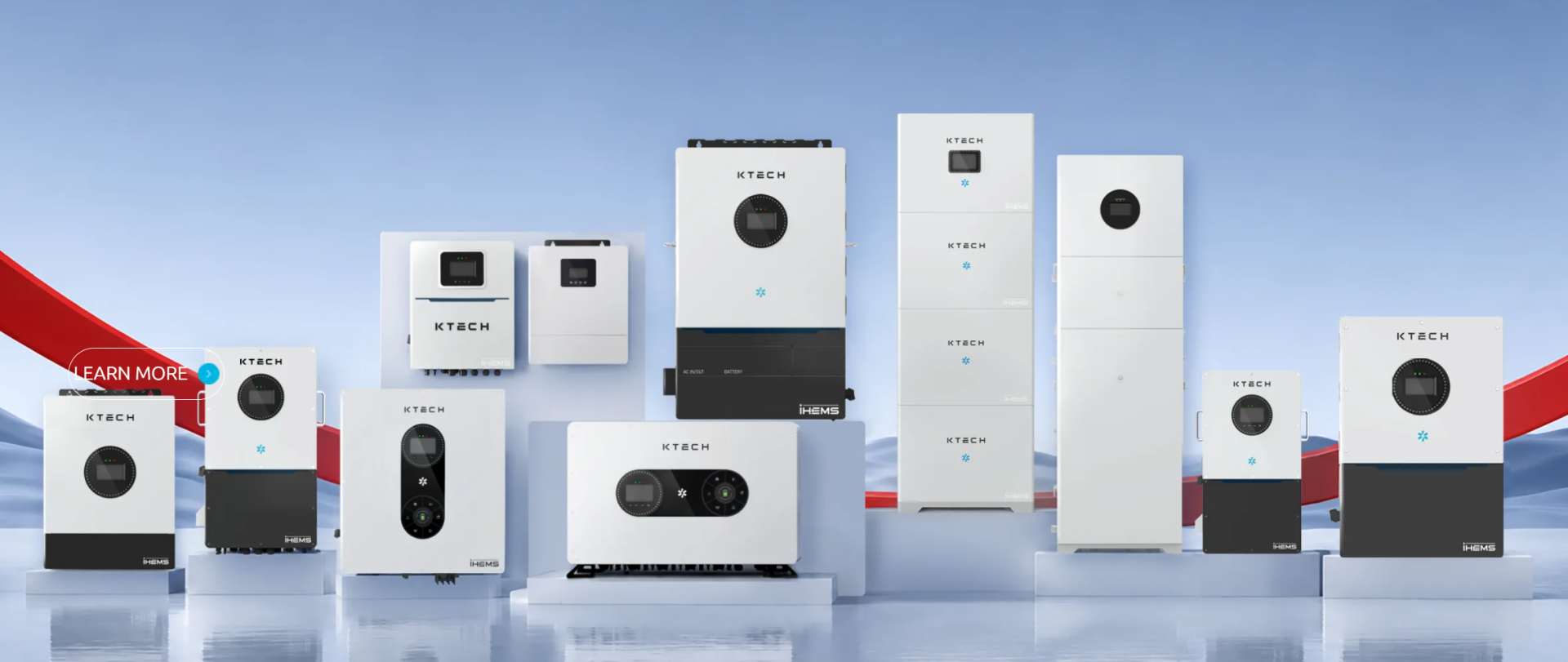
Think of the ESS as a small power plant packed into a box. Key parts:- Battery modules: store energy. Chemistry matters for life and safety.- Battery Management System (BMS): keeps cells balanced and protected.- Power Conversion System / inverter: turns DC to AC and handles grid sync.- Thermal management and enclosure: keeps temps safe and components long-lived.- Control software: decides when to charge, discharge, or stay idle.All these need to work together; a weak BMS or bad thermal design wrecks performance fast.
How it actually behaves in real installs
From installer feedback and spec reviews, systems usually operate two ways: backup-first (reserve enough for outages) or economics-first (cycle to cut peak charges). Expect these behaviors:- Backup-first: lower cycling, longer battery life, reliable outage cover.- Economics-first: frequent cycles, faster wear, better short-term savings.Pick the mode based on whether you value uptime or monthly savings.
Common pitfalls people miss
Don’t underestimate these mistakes:- Wrong sizing: too small and you still lose loads; too big and payback stalls.- Ignoring thermal needs: heat shortens battery life fast.- Overlooking firmware updates and commissioning checks: software bugs can disable features.- Warranty fine print: cycles vs years matters.Check real site data and vendor specs before signing anything.
Who should consider this and typical use cases
Good fits:- Homeowners who want backup and better solar self-consumption.- Small businesses facing steep demand charges.- Remote sites or microgrids that need stable local power.- EV charging sites that need to shave peaks.Utilities use larger ESS for frequency response, but the same tech scales down to your garage.
Alternatives and quick comparisons
Options to weigh:- Diesel generator: cheap for big outages but noisy, polluting, and slow to start.- Demand-response programs: lower bills without hardware, but you can get bumped during critical times.- Grid upgrades: great, but slow and costly.Batteries are the most flexible for onsite control; match capacity and chemistry to your priorities.
Final take — what this means for choosing a system
If your problem is clear—reliable backup, cutting peak charges, or using more solar—pick an ESS that matches that goal, pays attention to thermal and software, and has transparent warranty terms. Real-world installs show practical trade-offs you’ll face. For systems built around sensible control and field-tested components, consider what manufacturers offer in terms of site support and documentation; that practical backing is what turns a good design into reliable service like the one offered by Ktech.
