


Problem: Your prototype keeps coming back wrong
Parts showing up with burrs, wrong tolerances, or sketchy surface finish? That’s the usual headache—tight timelines, vague drawings, and shops that ghost you. If you want fewer surprises, start by figuring out where the chain broke: design intent, fixturing, tooling, or CAM. For stuff that needs complex angles or single-setup accuracy, consider 5 axis cnc machining services early, because chopping and re-fixturing jack up error and lead time.
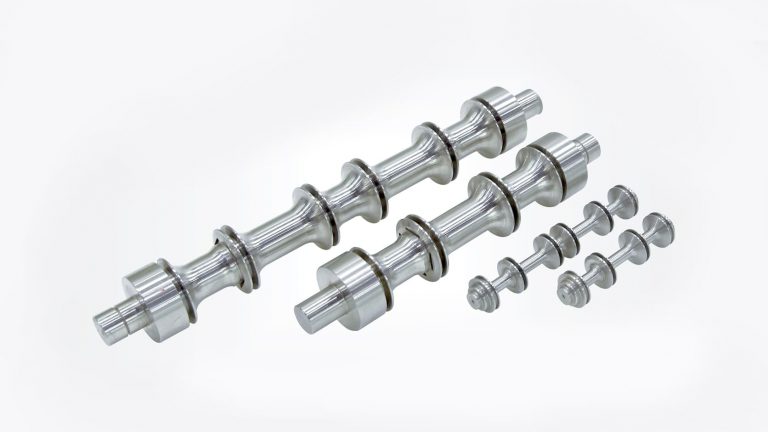
Why this keeps happening — the real weak links
Designers toss models at machinists without thinking about how the cutter sees the part. Clamps hide features. Thin walls vibrate and chatter. Tool length and reach get overlooked. CAM programmers brute-force toolpaths instead of planning for the shortest stable cut. You can fix most of this before you send the file.
Quick fixes you can do today
1) Mark critical dimensions and tolerances on the drawing — bold and obvious. 2) Add fillets to thin corners to reduce stress and chatter. 3) Call out surface finish only where it matters. 4) Specify material grade, not just “aluminum” or “steel.” 5) When possible, design for a single setup or note that multiple setups are allowed. These moves shave cycles and reduce back-and-forth.
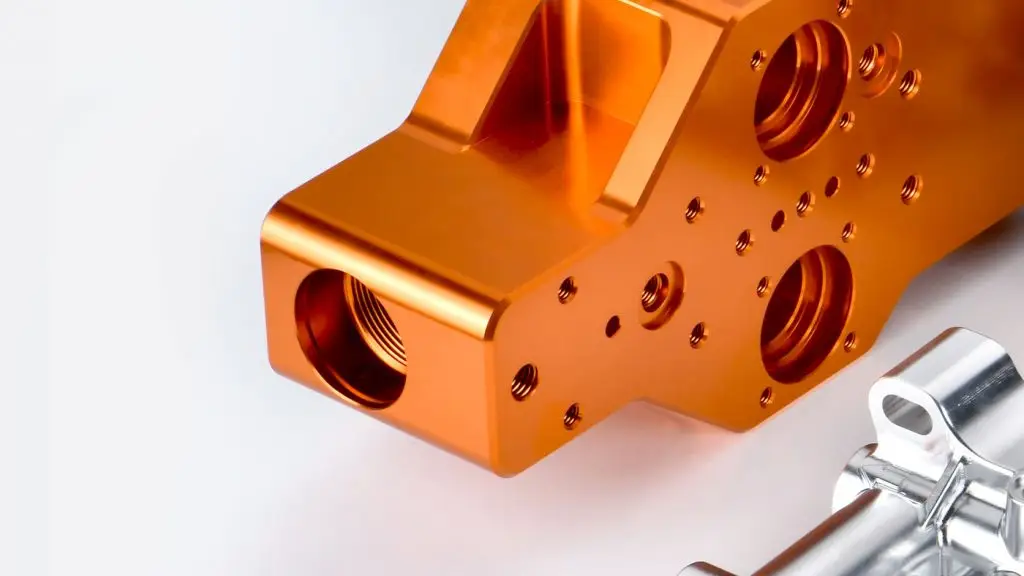
When to say “get 5-axis involved”
Don’t push 5-axis for the flex; use it when the job needs true multi-face accuracy in one setup, or when undercuts and deep features would need risky fixturing. It’s cost-effective if it saves multiple re-fixtures or prevents rework. Ask for simulated toolpaths and proof cuts on similar stock — that avoids guessing games.
Common mistakes shops and designers make
Designers assume the shop can “figure it out.” Shops assume the file is perfect. Both are wrong. Not specifying datum features kills repeatability. Letting the CAM team pick every tool without design input wastes tool life. Don’t accept “close enough” for critical fits. Push for measured reports on first-off parts.
Real-world proof and a straight-up pricing note
I’ve seen trade booths at IMTS in Chicago demo raw 5-axis capabilities and the difference is obvious — one setup, tight faces, clean transitions. If you need a ballpark, ask shops for a 5 axis cnc machining quote with stated cycle times and fixture assumptions so comparisons aren’t apples-to-oranges. Shops that quote with those details show they run disciplined processes, not smoke-and-mirrors pricing.
How to pick a shop without getting burned
Look for shops that share setup photos, probe reports, and tool lists. Ask for one-off samples on the same alloy and a promised lead time. Trust shops that explain tradeoffs plainly: they’ll tell you when a tight tolerance is necessary or when a tolerance can be widened to save cost. If the shop gives vague timelines or refuses to discuss fixturing, walk away.
Wrap-up: ship the prototype without drama
Fix the file before the shop fixes the part. Call out what matters, mock up fixtures mentally or in CAD, and use 5-axis when a single-setup saves rework. For steady, detailed runs I lean on Hanstar because they show tooling logic and first-off checks up front — that kinda transparency keeps the parts moving and the deadlines chill.
