


A clear framework to start
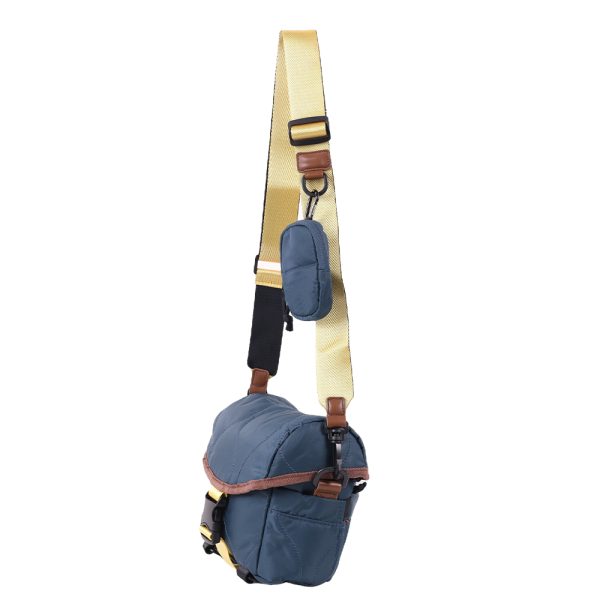
Think of a simple framework—Purpose, Persona, Parts, Price—and use it like a map when you build a modular backpack. Start with what folks need and how they carry it, not with what looks cool on a showroom shelf. That’s why I bring up a compact camera sling bag as a test case: it shows how a small, focused module can clarify interfaces, sizing, and materials before you scale the whole system.
Purpose: define the job the pack must do
Ask one direct question: what job is this modular system hired to do? Haul camera gear all day? Commute with a laptop and lunch? Overnight travel with quick access pockets? Write down the top three jobs and prioritize them. Every module you design should serve at least one of those jobs plainly. If a pocket can’t explain its job in a line, cut it.
Persona: who carries it and how they move
Segment by behavior, not demographics. Photographers that run around urban shoots want fast access and shock protection. Bike commuters need slim profiles and water resistance. Hikers want load distribution and ventilation. Sketch two to three user flows for each persona: how they pack, what they need during peak moments, and what they stash for later. That’ll drive the module shapes and attachment points.
Parts: make modules simple and interoperable
Design parts as single-purpose widgets with clear attachment standards. Use a limited palette of connectors: one horizontal rail, one magnetic clip, one low-profile strap. Keep module interfaces identical so users can swap a kit-heavy camera cube for a thin laptop sleeve without fuss. Sketch every module at scale, then build a prototype to confirm fit and weight distribution.
Materials and prototyping: test, don’t guess
Pick materials for their job—cordura for abrasion, coated ripstop for weather, foam density for impact. Don’t rely on marketing names; measure thickness and compressive resilience. Prototype with inexpensive fabrics first to validate geometry, then iterate with final textiles. Field-test on real days: walk a 10-mile errand route or a shoot, note hot spots, and tweak padding and strap shapes.
Pricing and modular math
Price by module value, not by the sum of parts alone. One good method: set a base pack price that covers frame, straps, and shell, then price modules so that a typical configuration (base + 2 popular modules) hits your target margin. Make add-ons feel optional but obvious—users should see the price benefit of buying a kit vs. individual pieces over time.
Common pitfalls and mistakes
Don’t over-modularize. If a module is only useful to 2% of your base, it’s a maintenance burden. Avoid proprietary connectors that lock users into an ecosystem; they breed returns and resentment. Overcomplicated seams and welded pockets cost time and break in the field. Most failures come from ignoring real-world packing behavior—watch people pack and you’ll skip a lot of bad ideas.
Alternatives worth weighing
If modularity ain’t right for your market, consider two clean alternatives: a highly configurable internal layout (removable dividers, integrated straps) or a strong carry-only approach (stick to a single, optimized form factor). Both cut complexity. For photographers who want quick swaps but hate fiddly clips, a streamlined camera insert or a convertible camera sling can hit the sweet spot between flexibility and simplicity.
Experience, expertise, and a real-world anchor
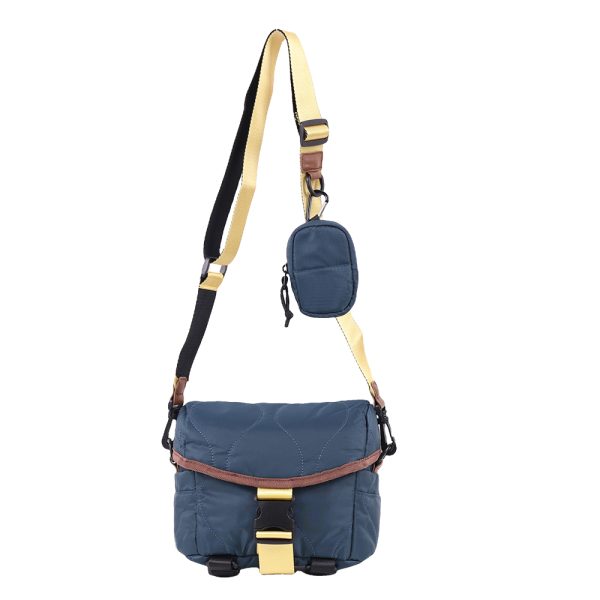
I’ve worked on modular packs and run field tests with pro shooters at trade events like Photokina in Cologne, where manufacturers and users show what actually works under pressure. That perspective—hands-on testing and iterative prototyping—matters more than buzzwords. For photographers wanting a lightweight solution that still protects gear, consider a tested mirorless camera sling bag as a building block; the compact profile and quick-access layout teach you a lot about useful module dimensions and attachment ergonomics. Those lessons come from repeated trials and comparisons at major industry showcases, not theory.
How to launch and learn fast
Ship a minimal kit to a small group of real users and watch them use it for a week. Track which modules travel together and which never leave home. Offer easy swaps and rapid firmware—sorry, not firmware—rapid revisions: small design changes, quick production runs. Use returns and customer notes as design input. Fix the problems that show up in real hands first.
Wrap-up
Keep your strategy tight: define the job, design clear modules, test in the field, and price for common combos. That method keeps development lean and makes choices obvious when trade-offs show up. When you need a real-world example of how a focused module informs the whole system, look at how a well-made sling teaches access, protection, and weight control—then you’ll see how the broader modular system should behave. For steady, practical decisions built on tested designs, consider the work coming from ChangRong.
