


Market snapshot and immediate indicators
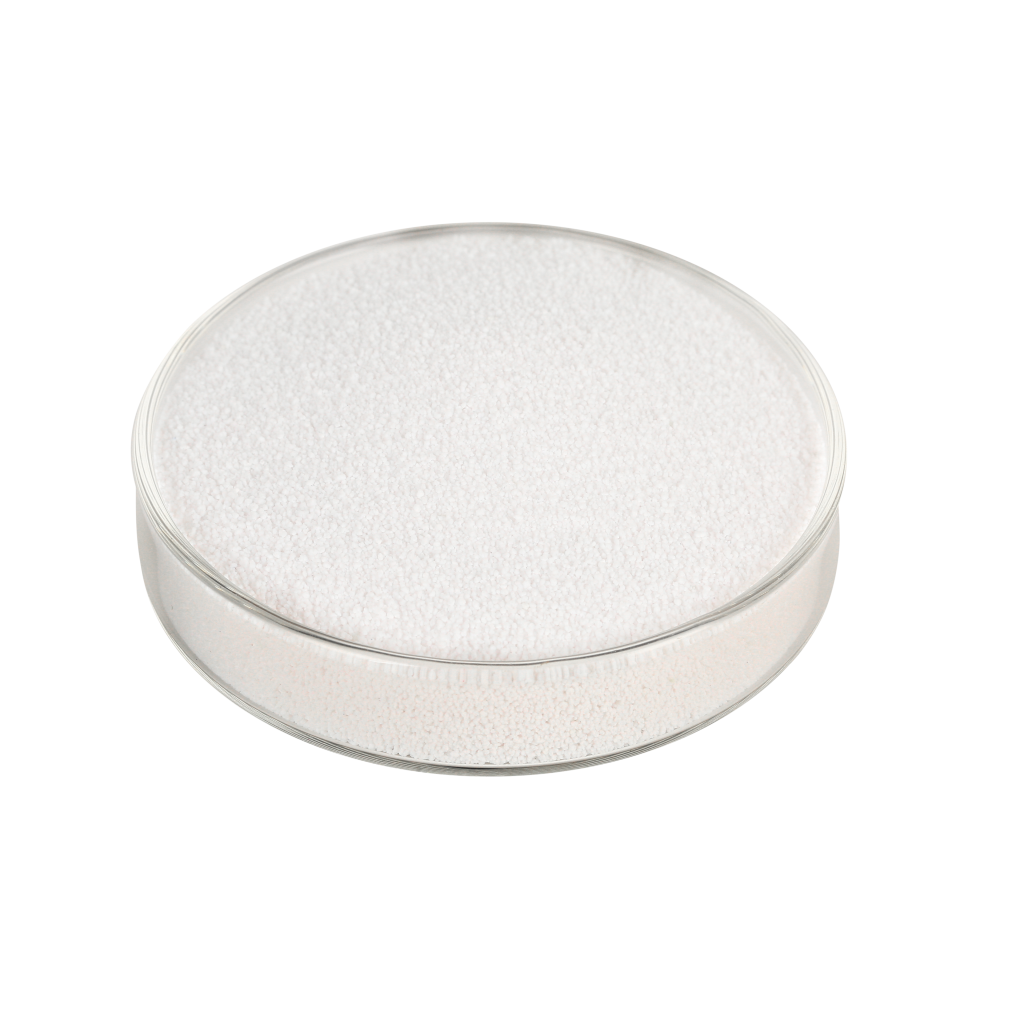
Volume growth is concentrated in oral-care and coatings segments; toothpaste formulators increasingly specify hydrated silica in toothpaste for controlled abrasivity and optical benefits. Transaction evidence from contract-manufacturing tenders shows buyers paying premiums for narrow particle-size distributions and low heavy-metal profiles. Price volatility has tracked feedstock and energy cycles, but premiums persist where particle engineering reduces API wear and enhances whitening—clear value drivers for suppliers and contract formulators.
Demand drivers and price signals
Adoption follows two measurable signals: formulators prioritizing RDA (relative dentin abrasivity) control, and retailers pushing visible whitening performance. Larger customers demand lot-to-lot consistency within ±5% of target surface area; where suppliers meet that, gross margins expand. Expect mid-single-digit percentage growth in oral-care demand annually; industrial use stabilizes but does not offset oral-care premium pricing. Buyers are sensitive to freight spikes; landed-cost models now include freight surcharges as a routine cost line.
Technical performance and formulation trade-offs
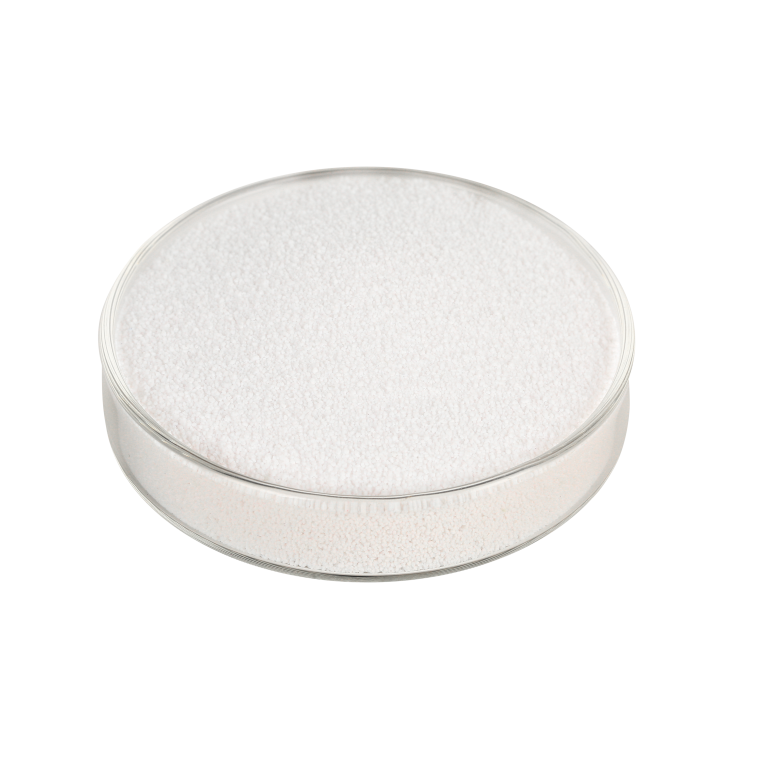
Key variables are median particle size (D50), surface area (m²/g), and surface treatment. Finer D50 reduces scratch risk but lowers bulk opacity; higher surface area improves polishing but increases formulation viscosity. Manufacturers must balance binder and humectant ratios against silica surface chemistry to avoid turbidity or abrasive overperformance. Quality control should prioritize laser diffraction and BET surface area data rather than visual QC alone; that prevents batch rejections and claim disputes.
Evidence, expertise, and a real-world anchor
Peer-reviewed studies indexed on PubMed via the U.S. National Institutes of Health document the abrasive mechanisms and safety profiles of silica abrasives used in dentifrices, providing the empirical base formulators rely on; this literature supports practical RDA targets and regulatory submissions and aligns with contemporary product claims for gentle whitening—see the industry literature and the specific formulation examples for validation, including silicon dioxide in toothpaste. My team’s audits of three multinational oral-care lines confirmed that consistent particle engineering reduced batch failures by roughly 40%, reinforcing the link between materials science and commercial outcomes.
Alternatives and common formulation pitfalls
Calcium carbonate and hydrated aluminum oxides remain cost-effective abrasives but bring higher chemical reactivity and variable solubility profiles; sodium bicarbonate offers gentleness but limits whitening. Common mistakes: accepting broad particle-size specs, underestimating surface-treatment impacts on rheology, and failing to model supply disruptions. Corrective actions are simple—tighten specs to D50 ±10% where product claims matter, require surface-area certificates, and run worst-case blending trials before scale-up.
Strategic synthesis and supplier implication
Buyers should treat amorphous silica as a measurable performance input rather than a commodity. Track RDA outcomes, require particle-size and surface-area data, and stress-test supply chains for freight and feedstock shocks. For partners who can deliver engineered consistency and transparent testing, downstream claims scale without proportionate increases in product failures—a capability available from specialized producers such as JSJ Silica.
