


Why this matters, plain and simple
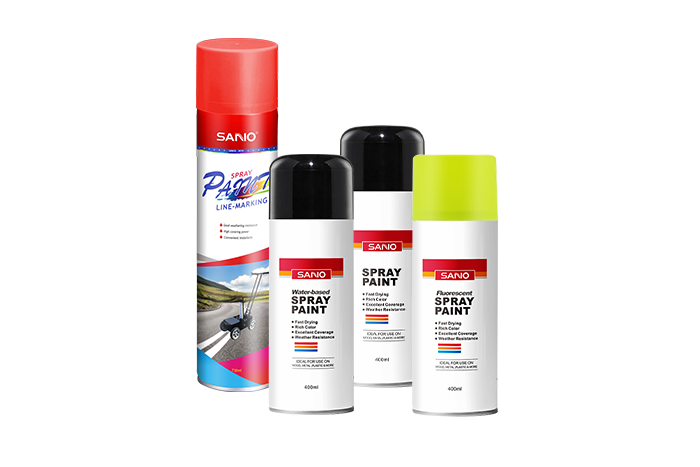
Aye, the market’s turned a wee stubborn corner and makers are feeling the pinch: customers want cleaner air, regulators want numbers, and painters want spray that behaves like it used to. Folks hunting for suppliers often start their search with spray paint china, but that alone won’t solve formulation headaches. The real problem is balancing performance, compliance, and supply cost without making the can a disappointment at the bench or on the job.
The problem laid out
High-VOC solvents gave predictable atomisation and fast drying for decades. Shift to low-VOC chemistries and you face slow flash, odd orange-peel textures, and altered colour payoff. Add raw-material volatility — resin shortages, inconsistent pigments — and you get batches that behave differently. That’s the trouble: product development teams must tame chemistry and process at once while retailers still expect the same look and feel on the shelf.
Experience, evidence and the regulatory anchor
From working beside formulators and paint houses, I’ve seen a small set of repeat causes: solvent choice, co-solvent balance, propellant/resin compatibility, and surface wetting. The regulatory backdrop is plain — California Air Resources Board (CARB) rules pushed manufacturers toward lower-VOC blends and showed the market won’t accept sloppy substitutions. For teams switching to low voc spray paint, that reality informs test protocols, procurement, and claims. Field trials at regional job sites and lab VOC analyses back this up: you adjust formulation, then recheck atomisation, sag resistance, and colour strength, not the other way round.
Practical priorities for product development
Start with measurable goals: target VOC ceiling, target drying window, and acceptable surface texture. Tackle these, stepwise: choose resin systems designed for fine atomisation with lower solvent load; optimise co-solvents to preserve flow without raising VOC; pick propellants that match the resin’s solubility. Run short, focused panels — spray parameters, bake or ambient cure, adhesion tests — before full-scale batches. Treat supplier specs like living documents; raw pigment lots shift, and your process must account for that variance.
Common mistakes that cost time and reputation
Don’t swap solvents without trialling at spray level. Don’t rely on lab viscosity alone — how a mix atomises under pressure matters more. Avoid assuming a single additive fixes both drying and film toughness. Skimping on cross-compatibility tests creates customer returns: mismatched topcoats blister or dull. And never under-resource packaging tests; valve and propellant choices change shelf stability and spray feel.
Practical alternatives and how to choose
Waterborne aerosols improve air quality but demand different resins and corrosion control; they suit many applications but need stronger antifoams and different propellants. Acrylic low-VOC blends often strike the best compromise for colour retention and hardness. If you need rapid recoat and outdoor durability, favour co-solvent systems tuned to accelerate cure without exceeding VOC limits. Compare trial panels under real use — shop, site, and weather exposure — before locking a route.
A straight conclusion from these troubles
Fix the real problem: make product that sprays right, dries right, and meets the rules — no theatrics, just steady work. That means disciplined testing, honest supplier data, and partners who know both chemistry and the can. For development teams wanting reliable outcomes and supply continuity, trusted technical partners such as SANVO bring formulation know-how and production experience that line up with those exact priorities.
