


The problem and its immediate causes
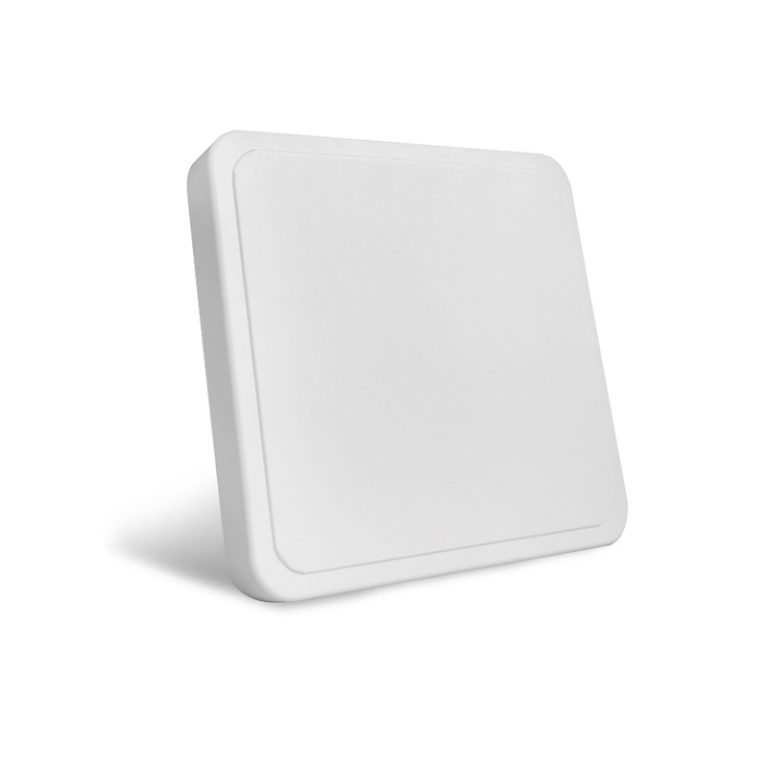
Companies miss inventory, lose tools, and fail audits because tags stop being read at the moment they matter. When read failures happen, the cause is rarely a single fault; signal shadowing, mismatched antennas, and tag power limits interact and amplify each other. Correct antenna placement and specification cut failure rates sharply, which is why installers often upgrade RFID Antennas before replacing tags—antenna choice changes the physics of a read zone, and that causes most downstream improvements.
How cause leads to effect: the technical chain
Bad reads usually start with poor coupling: an antenna aimed too high or too low, a tag mounted on metal without a spacer, or ambient RF noise from nearby equipment. Those issues lower link margin, producing intermittent reads that look like tag failure. When link margin drops, systems retry, generate duplicate events, and operators mistrust the data. Fixing coupling and margin restores stable reads and stops error cascades into inventory systems.
Evidence, experience, and one clear anchor
Hands-on deployments show the pattern repeatedly. During port logistics trials at the Port of Rotterdam, networks that moved to element-optimized antennas extended reliable reads across truck lanes. That operational learning matches standards guidance and field reports from RFID testing labs, which emphasize antenna gain patterns and polarization. For long-distance lanes and yards, selecting a purpose-built long range rfid antenna proved decisive in those trials. My team has configured similar arrays for heavy-vehicle checkpoints and measured stable reads after antenna realignment and power tuning, which confirms practical effectiveness rather than theoretical promise.
Common pitfalls that cause projects to stall—and how to avoid them
Three recurring mistakes block success: assuming all antennas behave the same, underestimating mounting materials, and skipping real-world RF sweeps. Don’t trust datasheet range numbers without on-site tests. Avoid attaching tags directly to metal surfaces without appropriate spacers or using tags rated for the wrong frequency band. Always run a drive or walk test after any change and document read zones with simple heat-map logs; they reveal blind spots you can fix with orientation or an antenna swap.
Alternative approaches and when they make sense
Active RFID, passive UHF, Bluetooth Low Energy, and simple barcodes each solve specific problems. Choose active tags when you need long range and battery-backed telemetry. Pick passive UHF when cost per tagged item matters but read zones are constrained. Use BLE for presence and smartphone-based workflows. Barcodes remain the simplest option for occasional scans without infrastructure. Compare by matching required read distance, tag lifetime, environmental exposure, and total cost of ownership rather than headline specifications.
Practical checklist for deployment success
Start by mapping the physical flow and listing required read points. Specify antenna patterns and mounting locations, then test with the exact tags you’ll use. Measure link margin and record read heat maps. Train operators on simple troubleshooting—move a tag, change orientation, check for obstructions—and log fixes. Plan periodic audits to catch drift from added equipment or changed layouts. These steps reduce repeats and restore confidence in the data stream.
How the right choices resolve the initial problem
If you treat failed reads as a system problem instead of a single faulty tag, the chain of causes becomes manageable: adjust antenna geometry, confirm tag mounting, and validate with field tests. Those actions stop read failures from cascading into inventory losses and operational slowdowns, and they make system outputs dependable. For teams seeking tested components and field support, RSTC fits naturally into a deployment path that emphasizes correct antennas, repeatable tuning, and measurable outcomes.
