


Urgent problem: underperforming burners and tangible losses
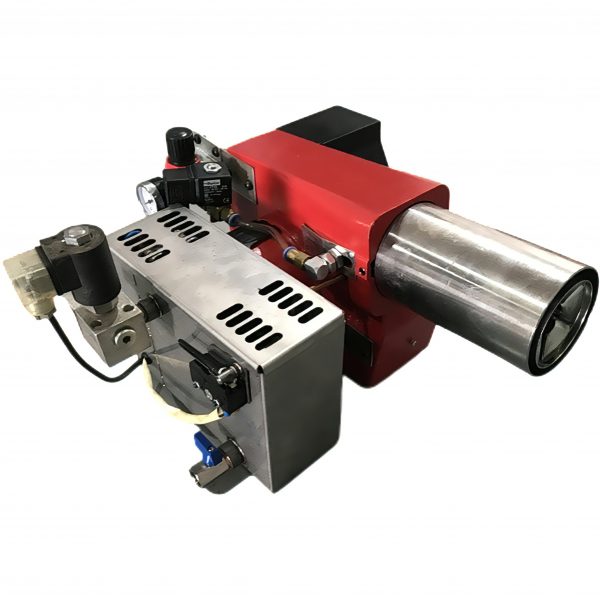
Many small to medium industrial sites contend with burners that deliver less heat than they should, driving up fuel bills and producing excess soot and carbonaceous deposits. When operators attempt to economise by switching fuels or fitting an off-the-shelf unit, even an industrial waste oil burner can perform poorly if the system isn’t rebalanced. The problem is straightforward: poor combustion is wasted energy, increased maintenance, and unpredictable process control.
Diagnosing the cause: where efficiency is actually lost
Combustion inefficiency traces back to a handful of measurable failures. Excess air or insufficient mixing causes heat to exit the stack rather than heat the load. Poor atomisation or wrong nozzle sizing leaves unburnt droplets. Inadequate control of fuel-to-air ratio lets combustion wander across conditions. Finally, fouled heat surfaces and blocked flues increase heat-transfer resistance. Each cause requires a different corrective action; treating them all as one problem yields marginal improvement at best.
Practical fixes that improve combustion, quickly
Start with the fundamentals: ensure correct fuel preparation and consistent atomisation. For liquid fuels, check nozzle spray pattern, pressure, and preheat temperature; for gaseous fuels, confirm stable supply pressure and adjust the primary air. Fit an O2 analyser and set a modest excess-air target rather than chasing minimum oxygen alone. Add modulation control so the burner runs closer to the process load instead of cycling. Regularly clean and inspect combustion chambers and heat-exchange surfaces — small deposits reduce efficiency markedly. Where sensible, introduce an O2 trim system and a basic combustion management controller to hold setpoints under varying conditions.
Instrumentation and controls that make a measurable difference
Simple instruments pay for themselves. A continuous flue-gas analyser for O2 and CO identifies trends before they become failures. Flame scanners reduce false shutdowns while permitting leaner combustion safely. Draft gauges reveal stack or fan problems that otherwise mask as combustion faults. Integrate these with a controller that provides closed-loop air–fuel adjustment and data logging so you can spot degradation over weeks, not months.
Assessing alternatives: gas, new oil burners and recycled fuel options
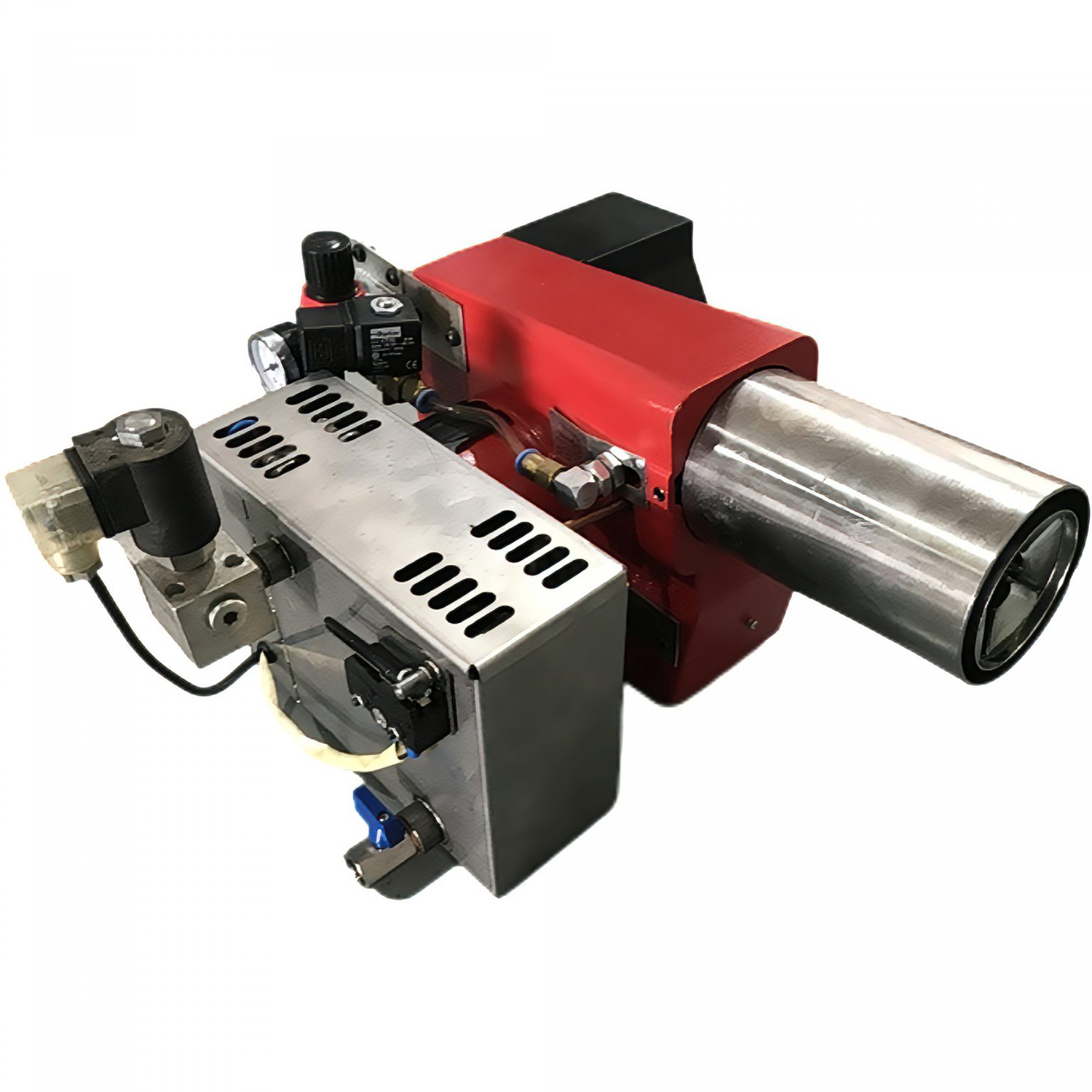
Switching fuel types will influence burner design and control needs. Natural gas offers cleaner combustion with simpler atomisation needs, whereas oil systems demand robust atomisers and preheat. A middle path is the adoption of recycled liquid fuels; I observed a Midlands manufacturer retrofit a recycled oil burner into an existing furnace. The retrofit improved fuel cost per thermal unit, but only after nozzle upgrades and tighter control tuning. Evaluate alternatives by comparing achievable flame stability, required maintenance, and how each option integrates with existing heat transfer surfaces.
Common mistakes to avoid during retrofit or optimisation
Do not assume a new burner alone will cure poor performance. Missteps include leaving the old air delivery system unchanged, undersizing or oversizing the burner for peak and idle loads, neglecting heat-exchanger fouling, and failing to commission controls properly. Calibration matters; a well-tuned system with the right instrumentation will often outperform a larger, newer burner fitted without commissioning. Keep spares for critical components like nozzles and flame detectors so downtime is brief.
A concise plan to raise combustion efficiency
Audit fuel quality, flame shape, and stack gases. Correct atomisation and match the burner to the process load profile. Add basic continuous monitoring and closed-loop control. Schedule cleaning and inspection into routine maintenance. These steps reduce fuel consumption, lower emissions, and stabilise process temperatures.
Closing synthesis
When a facility treats combustion inefficiency as a set of discrete problems — fuel handling, mixing, control, and maintenance — it becomes straightforward to prioritise interventions that return value. Thoughtful retrofits, modest instrumentation, and regular commissioning turn marginal burners into reliable, lean performers; that practical improvement is precisely the expertise offered by Career Burners without hyperbole.
