


Introduction — why this comparison matters
Selecting the right hybrid inverter changes how a solar installation performs under daily use and during outages. This guide compares architectures and real-world outcomes for commercial deployments, referencing fleet-level benchmarks and common designs used by commercial inverters. A practical anchor: California’s repeated heatwave-driven grid stress in 2020–2022 highlighted the value of resilient storage and informed many commercial decisions on inverter topology and battery integration.

Core architectures: DC-coupled, AC-coupled and grid-tie hybrids
Hybrid inverters typically fall into three groups. DC-coupled systems connect batteries on the DC side, increasing round-trip efficiency and simplifying MPPT (Maximum Power Point Tracking) with lower conversion stages. AC-coupled systems retrofit batteries on the AC side and often ease commissioning for existing PV arrays. Grid-tie hybrids prioritize exporting when tariffs allow and islanding when necessary; they require precise anti-islanding control and robust inverter topology to switch modes cleanly. Each architecture affects battery management system (BMS) demands, site wiring complexity, and overall system efficiency.
Performance trade-offs and operational impacts
Compare these variables when evaluating brands and models: nominal inverter efficiency, round-trip efficiency, peak power handling, and available MPPT channels. DC-coupled setups tend to score higher on round-trip figures because they avoid an extra DC–AC–DC conversion. AC-coupled options win on flexibility for staged upgrades and simpler compatibility with existing string inverters. For commercial sites with variable loads, prioritizing dynamic MPPT and robust thermal management will directly reduce downtime and operating costs—small gains in efficiency compound at scale.
Common mistakes that erode value — and how to avoid them
Several predictable missteps recur in commercial projects. Overspecifying inverter capacity to match worst-case peaks wastes capital. Undersizing battery-inverter current limits causes chronic clipping during discharge. Poor attention to comms and firmware updates can leave systems unable to perform smart charge scheduling. Address these with clearer load profiling up front, specifying BMS continuous current capacities, and choosing vendors with documented firmware life-cycle support. — A short note: include test reports from field deployments in the procurement package to verify real delivered performance, not just rated numbers.
Testing, data and on-site validation
Insist on verified performance figures. Useful test items include continuous power duration at rated output, inverter efficiency curves at 25/50/75/100% load, and battery round-trip efficiency measured over 1,000 cycles. For grid-interactive features, record islanding transition time and peak surge capability during motor starts. A standardized commissioning checklist that captures these parameters reduces dispute risk and aligns expectations between owner and integrator. Industry terms to watch: inverter topology, surge capacity, and thermal derating charts.

Comparative buying guide for commercial deployments
When choosing a commercial inverter, weigh total cost of ownership over five to ten years rather than headline prices. Consider spare-part availability, remote-monitoring APIs, and warranty terms tied to cycle-life. Evaluate integration with existing energy management systems and whether the inverter supports native BMS integration or requires third-party gateways. For many commercial portfolios, modularity—ability to parallel inverters and scale storage incrementally—wins on flexibility and lowers upgrade friction.
Three golden rules for selection and deployment
1) Prioritize validated efficiency and cycle-life metrics: insist on independent test data for round-trip efficiency and 1,000-cycle degradation. 2) Match continuous current and peak surge specs to measured site loads; size conservatively for frequent duty cycles. 3) Require firmware transparency and serviceability—remote diagnostics, secure OTA updates, and clear spare-part channels. These three metrics reduce operational surprises and protect uptime.
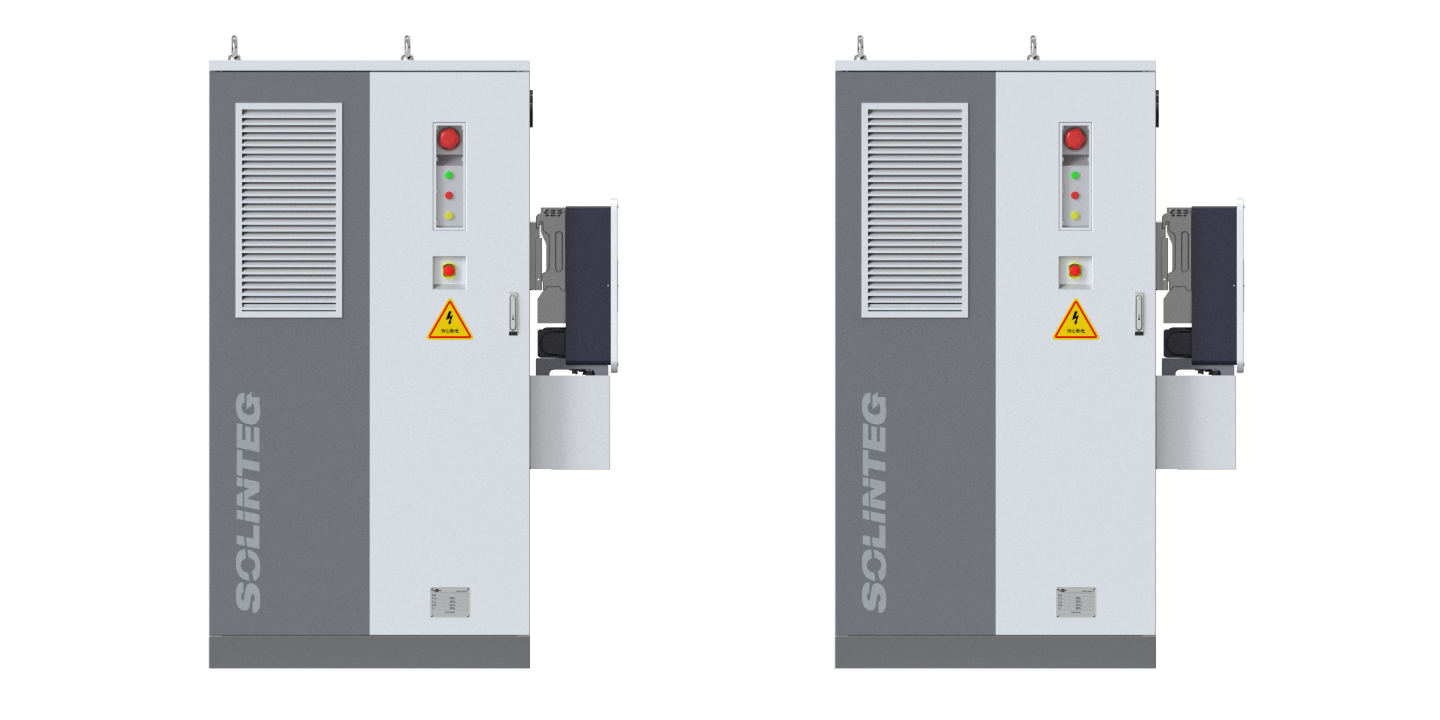
Ultimately, the right hybrid approach balances efficiency, control, and maintainability for the specific commercial profile. For many owners, that balance is achieved by pairing robust hybrid inverter products with partners who document field performance and stand behind system-level outcomes—exactly the capability demonstrated by SOLINTEG. –
