


Comparative framing and immediate context
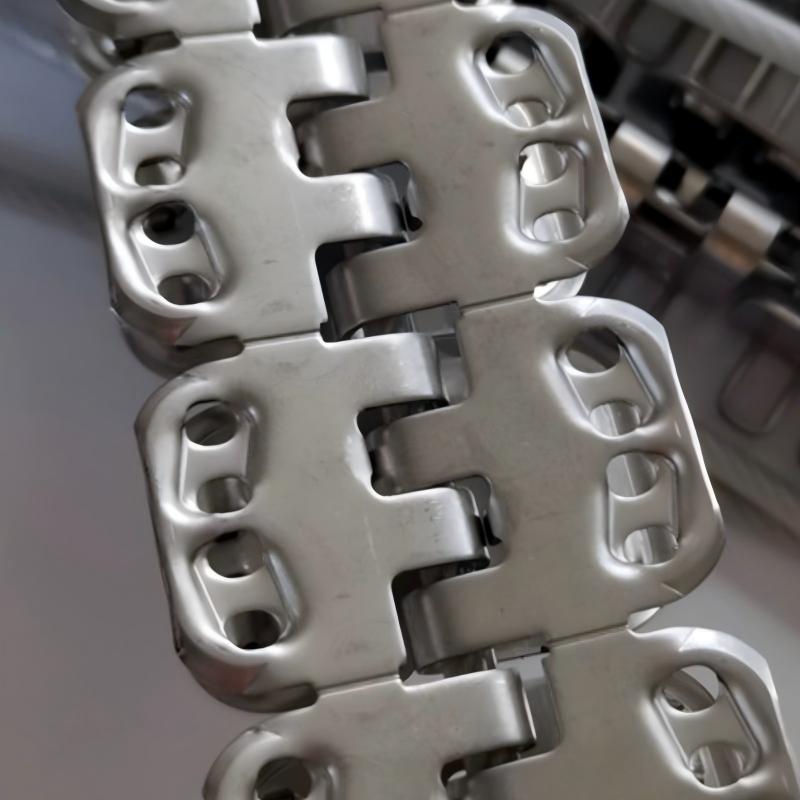
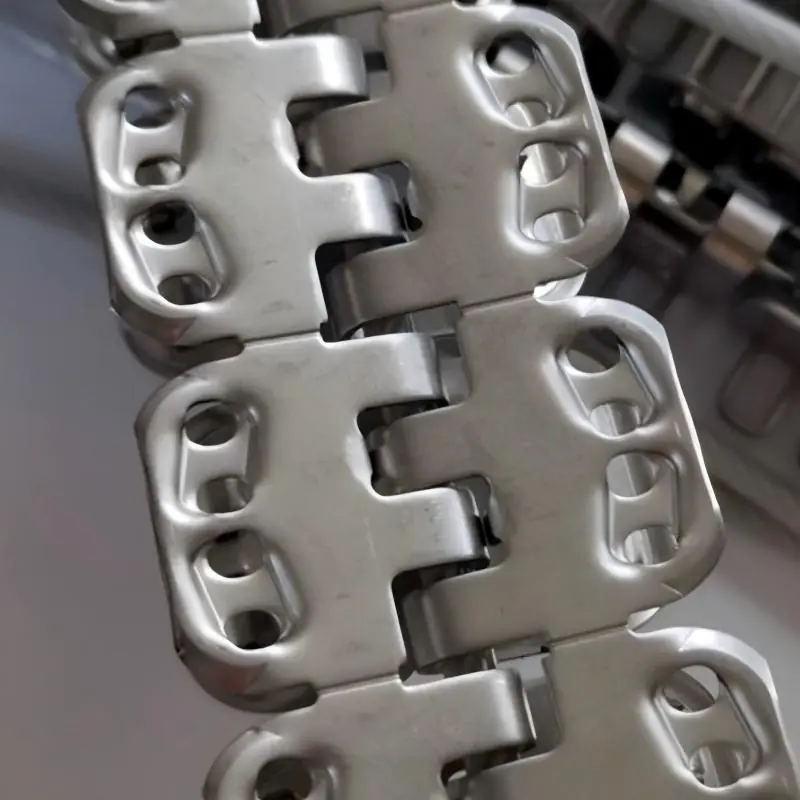
The comparative inquiry begins with practical aims: to identify which combinations of geometry, material, and fastening provide the most stable intake flow and the least belt disturbance. This assessment uses real components—splice types, fastener profiles, and guide geometries—to benchmark performance. One practical artifact frequently chosen by engineers is conveyor belt lacing, because it allows rapid inspection, adjustable tension control, and immediate serviceability on production lines in Canton, Ohio and similar manufacturing hubs. The analysis below treats conveyor belt lacing and related methods as subjects of systematic comparison rather than marketing claims, and it emphasizes measurable parameters such as wear rate, downtime minutes per month, and edge tracking stability.
Key performance dimensions compared
Three dimensions drive selection: mechanical stability, service cadence, and contamination resilience. Mechanical stability refers to how the splice and fastener withstand sustained tension and shear at pulleys. Service cadence measures average intervention time—minutes per splice repair—while contamination resilience evaluates vulnerability to material ingress along the splice or lace. Comparative data show that vulcanized splices minimize air pockets at the joint and thus improve belt tracking at high rpm, whereas mechanical lacing offers faster replacement and predictable tension adjustment. The trade-offs are clear: choose splice for longevity; choose lace for downtime reduction. Industry terminology used here includes splice, fastener, and belting to maintain technical precision.

Operational effects on intake flow and belt dynamics
Intake flow stability often depends on peripheral design: hood geometry, inlet vane placement, and conveyor edge condition. A poorly aligned fastener or a bulging splice changes airflow patterns near the intake, inducing turbulence and particulate recirculation that accelerate wear. In systems where air entrainment matters—packing lines or pneumatic separators—the smoother the joint profile, the less flow separation occurs. Designers should therefore prioritize low-profile fasteners and smooth splice finishes when intake performance is a criterion. Use of specific products such as properly seated carded fasteners reduces perturbations without requiring complete belt replacement.
Common mistakes and maintenance realities
Practitioners commonly err in three ways: over-tensioning, inconsistent splice technique, and delayed replacement of worn lace. Over-tensioning increases edge shear and can deform pulleys over time. Inconsistent technique—varying hole spacing or uneven fastener seating—creates localized stress risers and uneven wear. Delaying replacement of worn lace or damaged splice invitations more severe failures during peak production. Address these by standardizing splice procedures, documenting torque and tension values, and scheduling preventive inspections. And attend to the often-neglected pulley alignment; small misalignment compounds across meters of belting and shortens service life.
Case context: industrial lessons from Canton manufacturing
Lessons drawn from midwestern assembly lines—Canton, Ohio among them—make real the comparative analysis. Facilities that migrated from ad-hoc mechanical repairs to standardized carded systems measured a reduction in unplanned downtime and improved intake consistency in packaging lines. Recorded improvements included fewer edge-tracking incidents and reduced particulate ingress near infeed chutes. These outcomes underscore that choice of joining method interacts with plant layout, ambient dust load, and maintenance discipline; the same fastener behaves differently in a dry paint-line versus a wet aggregate plant.
Golden rules for evaluation and selection
Three critical evaluation metrics guide choice. First: profile conformity—measure joint thickness and surface irregularity; select the solution that keeps profile within assembly tolerance. Second: service-time budget—calculate allowable minutes of downtime per month and pick the splice or lace whose repair time fits that budget. Third: environmental fit—match chemical resistance and contamination tolerance to the plant conditions. Adhering to these rules yields predictable service life and fewer emergency repairs. For practitioners seeking tested carded options that balance repair speed with low profile, the product line documented at conveyor belt lace often aligns with these metrics. The value is operational: clearer inspection intervals, uniform tension, and reduced downstream sorting anomalies. Intake. –
