


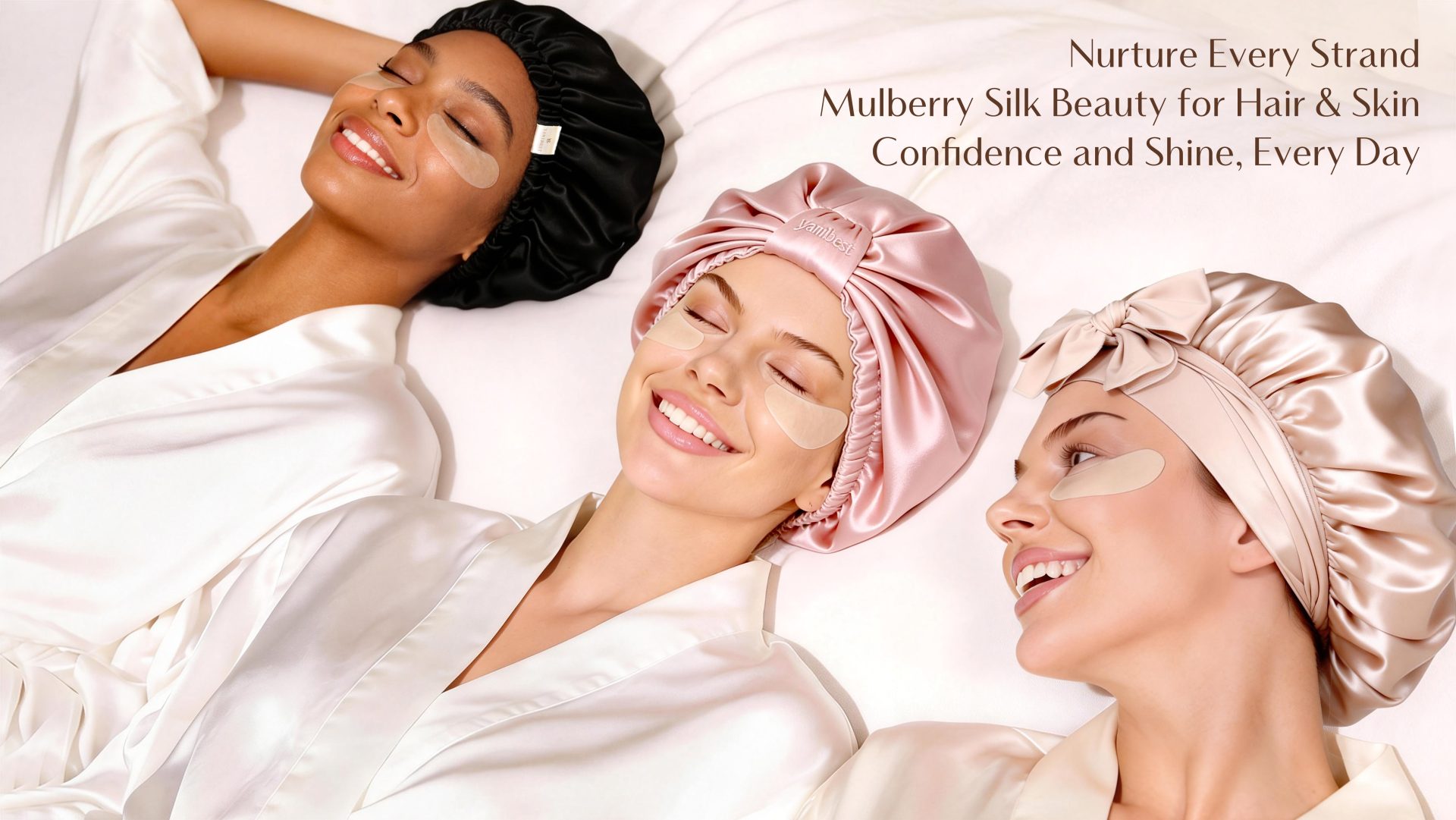
Start with what you actually need
If your curls lose shape or turn into a frizz halo after using heatless styling methods—think heatless curls—you don’t need another fancy product, you need a bonnet that matches your routine. This guide focuses on the choices that matter to you: preservation of curl pattern, moisture retention, comfort while sleeping, and how the bonnet fits into your daily styling workflow.

Match the bonnet to your curl goals
Ask one question first: are you trying to protect defined ringlets, maintain a stretched style, or preserve volume? For tight coils, a snug, low-friction fabric keeps definition. For stretched styles, you want a roomier cap that holds the shape without compressing the hair. If your main goal is keeping moisture in, prioritize smooth satin lining over outer material—the interior contact matters most.
Fabric and weave: what to look for
Satin is a weave, not a fiber. You’ll see satin made from silk, polyester, or rayon. Pure silk is gentle and breathable but pricier. High-quality polyester satin is durable and still low-friction—good for nightly use and easier care. Check the weave: tighter satins feel smoother and reduce snagging. Avoid coarse blends; they trap moisture and create friction that breaks hair.
Fit, closure, and styles that work
Bonnet shape changes performance. A slouchy bonnet keeps volume but can slide off if the elastic is weak. A fitted bonnet with a soft, wide elastic holds but risks flattening curls if too tight. Drawstrings give adjustability but can create pressure points. Pick a style that fits your head without compressing the roots. Measure loosely from hairline to crown and compare to product dimensions when available.
How your sleep habits change the choice
If you toss and turn, choose deeper caps with secure edges; light sleepers can get away with looser, silk-lined bonnets. Use a satin pillowcase under any bonnet for extra protection where the bonnet shifts. For side sleepers, focus on edge security—slippage creates friction on the temple and breaks fragile strands.
How to put a bonnet on so it actually helps
Suspend curls on top of your head or tuck in pineapples gently—don’t wrestle hair flat under the elastic. Smooth the bonnet over your hair starting at the nape and pull up; that avoids tugging at the front hairline. If you wear a bonnet over a brush-out or defined set, place the bonnet on before your roots settle so the cap supports shape rather than smashes it.
Common mistakes people make and how to avoid them
Too tight, too often: elastic that’s constantly indenting the scalp weakens edges. Washing wrong: use cool water and gentle detergent; heat and harsh detergents roughen satin and increase friction. Using the bonnet on wet hair can trap moisture and encourage mildew—air-dry to damp, not dripping. Replacing worn elastic is cheaper than replacing your hairline.
Quick comparison: bonnet vs scarf vs pillowcase
Scarves can be precise around the hairline but require daily tying skill; pillowcases protect when bonnets slip. Bonnets are easiest for consistent nightly protection. If you want a simple, low-effort solution, a roomy satin bonnet is the practical choice; for targeted control around edges, layer with a thin silk scarf.
Real-world testing and a practical reference
Working with models backstage at New York Fashion Week taught me which caps stay put under lights and movement. When we paired the right bonnet with gentle, heat-free sets, the curl pattern lasted through long shoots—brands that optimized fabric and fit performed best. For comparisons of tools that shape curls without heat, check the roundup for the best heatless curls to see what complements a good bonnet in your routine.
Alternatives and small upgrades that matter
Satin scrunchies, wide satin headbands, and silk-lined caps all reduce friction where you need it most. A lightweight bonnet plus a small silk scarf over the edges protects the hairline without adding bulk. Replace elastic and stitch weak seams early—small repairs keep your bonnet working like new.
Wrap-up: choose intentionally, sleep well
Pick a bonnet to support the specific way you wear your curls: the right fabric, fit, and depth solve most overnight problems. Think of the bonnet as part of a practical routine that includes gentle drying, occasional protective styling, and tools chosen to avoid heat. If you want a starting place that aligns with these principles, see how products and styling tools pair together on yanibest, then match what you buy to your curl goals and sleep habits.
