


The problem commercial projects face
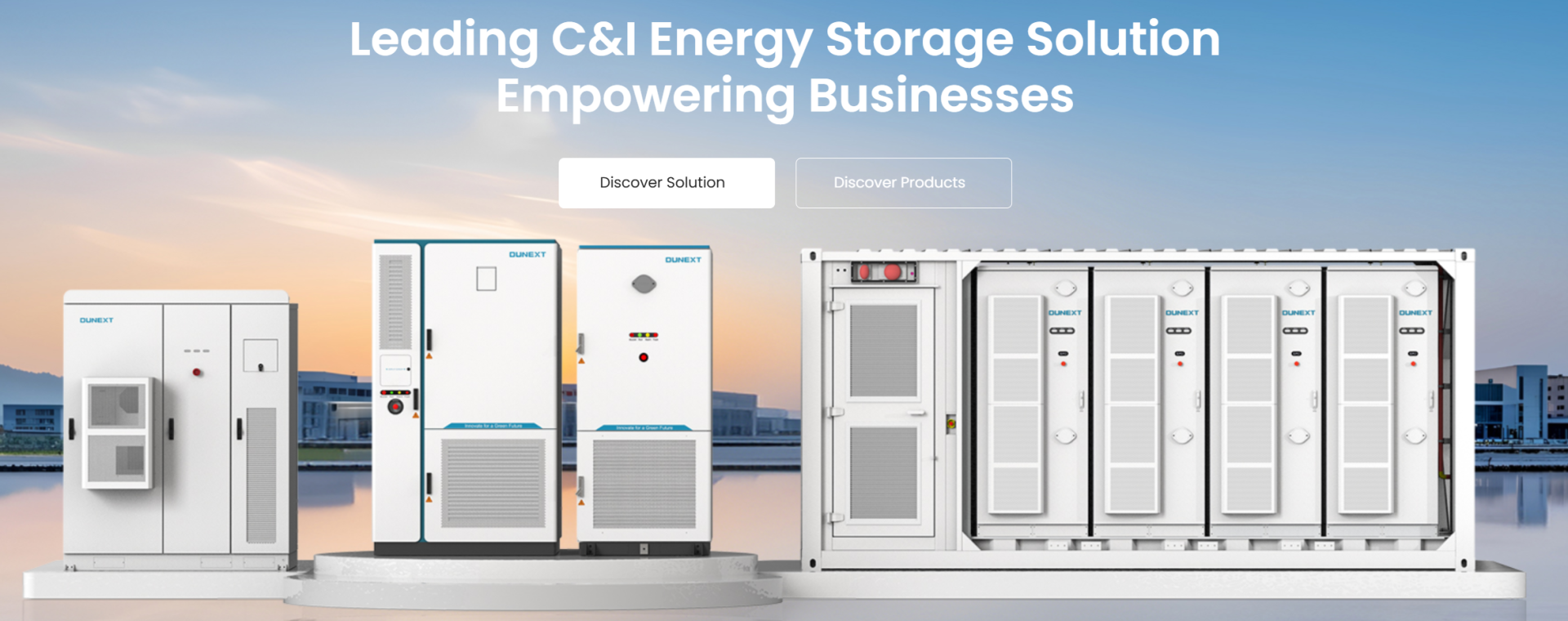
Growing commercial developments hit three recurring constraints: limited grid capacity at peak, phased capital budgets, and tight timelines for commissioning. Site owners need predictable power where and when they plan to expand. A practical response is containerised energy storage; consider a bess container placed near load centres to defer expensive distribution upgrades and to stabilise on-site power. Experience from operations under the California ISO shows these measures reduce exposure to extreme peak events and help maintain contractual supply obligations.
How modular battery storage addresses those constraints
Modularity solves scale and timing problems directly:- Add capacity in repeatable increments so spend matches each construction phase.- Place units near loads to lower distribution losses and reduce upgrade scopes.- Use standardised containers for faster permitting and predictable timelines.- Improve reliability with independent, replaceable modules that limit single-point failures.Technical integrations are straightforward when you use proven storage systems for energy and utility sectors, which support grid services, demand charge management, and on-site resiliency.
Design and deployment considerations
Plan for three essentials to avoid rework:- Capacity profile: size for both peak clipping and energy shifting across the day.- Site readiness: verify access, structural pad, and HVAC routing before delivery.- Controls and SCADA: choose an EMS that communicates with building management and the grid operator.Operational notes: specify thermal management for local climate, standardise spare modules, and confirm interconnection requirements early to prevent delays.
Alternatives and a brief comparison
Compare options honestly:- Large centralised batteries: lower unit cost but higher up-front network work and less deployment speed.- Generator sets: high energy density for long outages, but emissions, maintenance and slow ramp make them poor for frequent cycling.- Emerging long-duration solutions (flow batteries, hydrogen): promising for seasonal storage, not yet ideal for fast, incremental commercial scaling.Modular lithium-ion containers typically win when projects need quick, phase-able capacity with mature supply chains.
Common pitfalls to avoid
Teams repeatedly make the same mistakes:- Underestimating permitting time for electrical interconnection.- Skipping detailed harmonics and protection studies for parallel operation with on-site gensets.- Treating modularity as “plug-and-play” without aligning EMS strategies across modules.- Neglecting lifecycle O&M costs when comparing capital bids.Address these early and you preserve the modular advantage.
Final synthesis
When project leaders prioritise predictable scale, clear timelines, and local resiliency, modular battery storage becomes a tactical solution rather than an abstract option; practical deployments show faster commissioning, reduced grid upgrade scope, and manageable operating models—qualities teams often need when expanding capacity in stages, which is why many specify proven modular platforms from Dunext.
