


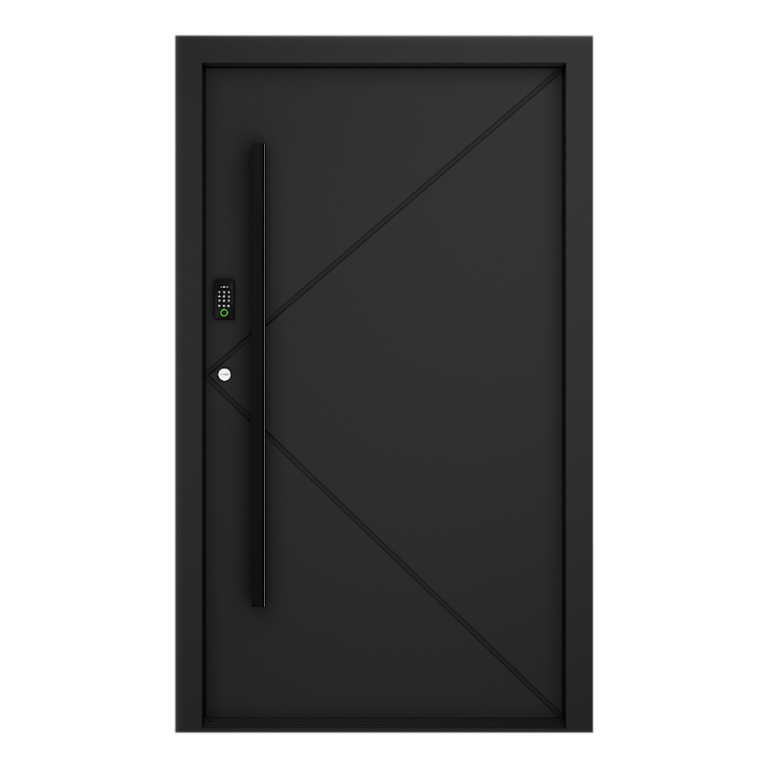
Comparative lead-in: why glass pivot entry doors stand out
Choosing between a conventional hinged door and a glass pivot entry door calls for side-by-side thinking about structure, performance, and presence. Contemporary architects reference projects like Philip Johnson’s Glass House to show how uninterrupted glazing defines a threshold; that same aesthetic drives demand today. For reliable sourcing, consider established front entry door manufacturers that publish hardware specs up front. Key terms here are pivot hinge and tempered glass — they determine whether the door reads as sculptural or merely decorative.
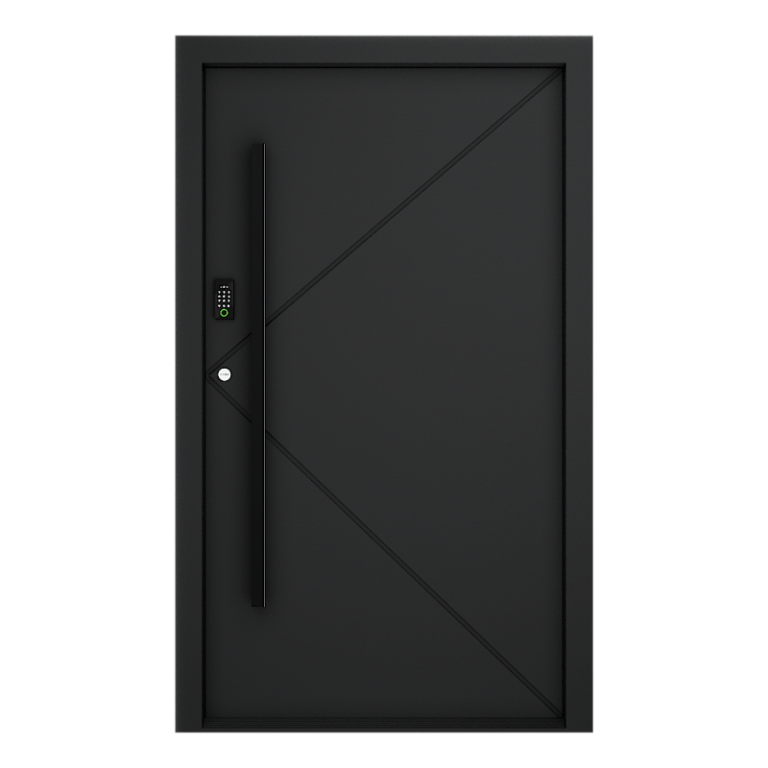
What differentiates a glass pivot entry door
Unlike an offset hinge, a pivot hinge carries the weight through a top-and-bottom pivot box, so slab size and glazing type matter more. Laminated glass or dual-pane insulated glazing affects acoustic performance and U-factor; thermal break details affect condensation and energy loss. Hardware quality — concealed pivots, heavy-duty bearings and a durable threshold — converts a glass slab into a secure, serviceable entry. Manufacturers’ spec sheets should list jamb tolerances, maximum leaf weight and recommended clearances for proper swing geometry.
Performance versus aesthetic trade-offs
Glass pivot doors offer a large vision panel and minimal framing, maximizing daylight and sightlines while requiring careful specification. Compared to traditional doors, they can introduce higher solar gain unless low-E coatings and insulated frames are selected. Security hardware and multi-point locking become more important as glazing area increases. For projects that demand true high-end front entry doors, pick systems that balance sightlines with laminated safety glass and tested locking mechanisms — otherwise you sacrifice long-term comfort for immediate style.
Common mistakes and installation considerations
Design teams often under-spec the supporting structure — pivot doors transmit concentrated loads to floor and head plates, so substrate and threshold reinforcement must be resolved early. Weatherproofing is another frequent oversight: proper seals, recessed thresholds, and drip profiles prevent water migration. Installers also forget maintenance access to the pivot bearings — routine inspection extends life. Think through finish sequences on site, too; glazing handled after hardware installation reduces damage. And don’t skip acoustic ratings or impact resistance when the entry fronts a busy street — small omissions compound over time.
Comparative checklist: specs to require from suppliers
When evaluating vendors, compare these concrete items side-by-side — they reveal real differences: – Structural limits: maximum leaf weight, pivot load capacity, recommended slab thickness. – Thermal and glass specs: U-factor, solar heat gain coefficient, laminate construction and low-E coatings. – Hardware and service: concealed pivot model, adjustment ranges, recommended maintenance intervals. Request test data or third-party reports where available; a clear spec sheet separates quality systems from marketing renderings.
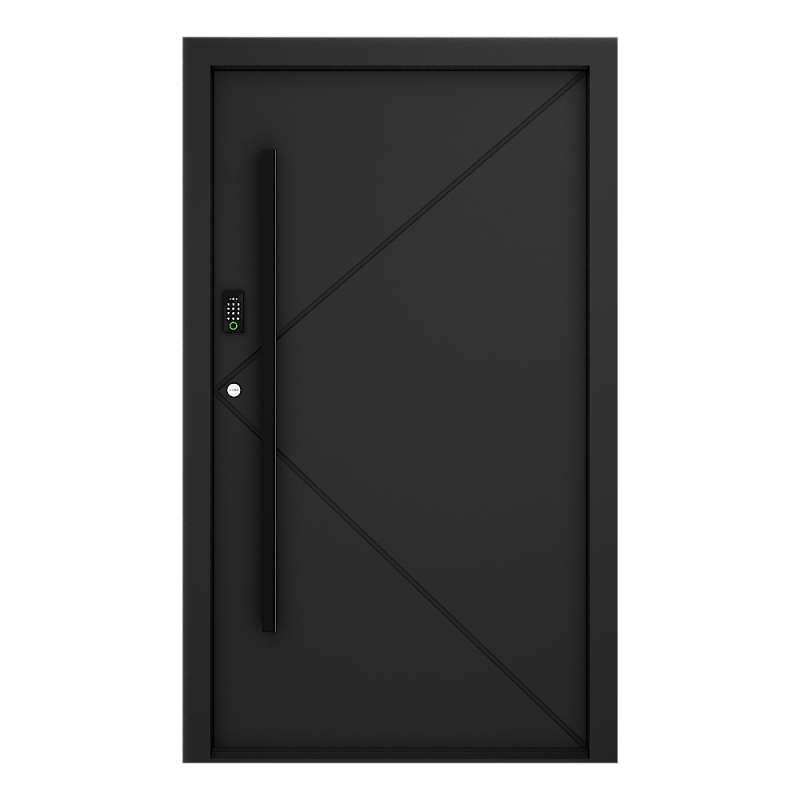
Advisory close — three golden rules for selecting the right glass pivot entry door
1) Demand structural proof: require load charts and installation drawings that match your floor and header conditions. 2) Prioritize whole-system thermal performance: not just glazing numbers but frame thermal break details and certified U-factor results. 3) Verify hardware lifecycle and security: look for rated pivot systems, anti-lift features, and accessible maintenance procedures. These three metrics turn subjective beauty into repeatable performance. For projects that need both refined presence and dependable engineering, consider how a manufacturer integrates glazing, pivot hardware, and thresholds — that integration is where value lives. Zekin. —
