


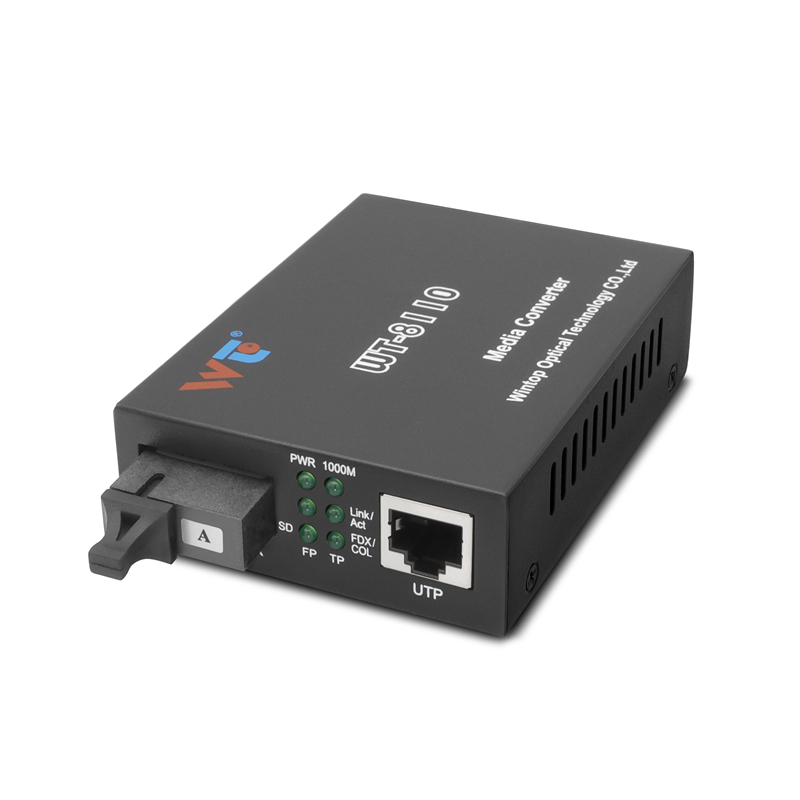
When projects in Nairobi and at Konza Technopolis show persistent outages on backhaul links, the root cause is often avoidable design oversights. This problem-driven guide lays out five costly mistakes that engineers and planners make when specifying media converters, and how to prevent them. If you are sourcing components from media converters manufacturers, these corrections save time and capital while improving operational resilience. Expect clear steps, specific terms like fiber optic and industrial Ethernet used where they matter, and a practical anchor to real deployments in Kenya.
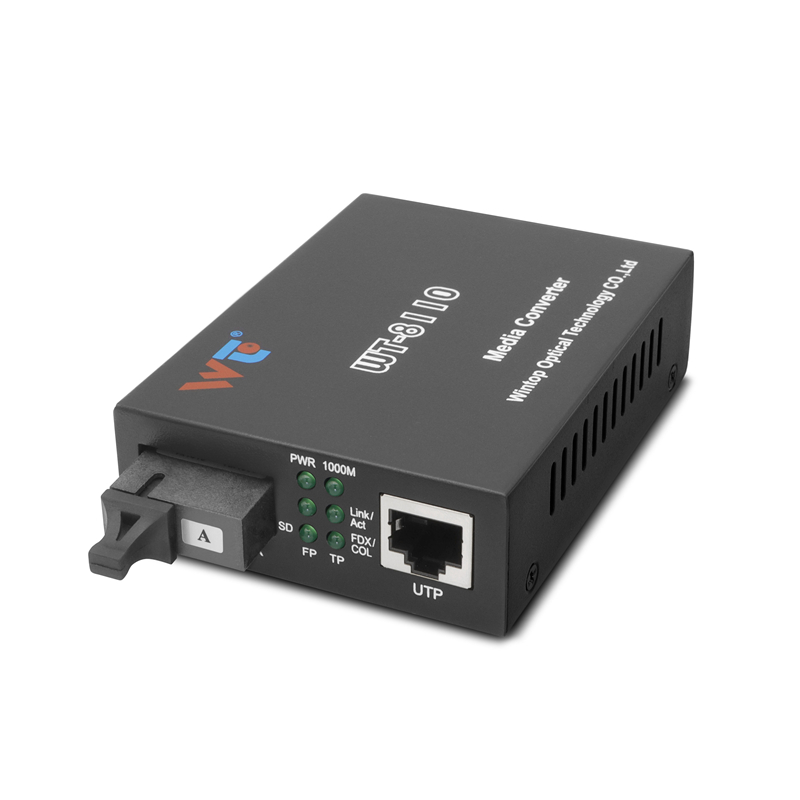
Mistake 1 — Undersized Link Budget and Ignored Optical Power
Underestimating the optical power budget leads to intermittent links and repeated truck rolls. Designers sometimes select a media converter or SFP module without calculating loss across fibre runs, splices and connectors. Fix: compute link budget for the worst-case route, include margin for ageing and repairs, and pick converters with appropriate receivers and transmitters. Use single-mode wavelengths suited to the run length rather than assuming multimode will suffice.
Mistake 2 — Overlooking Environmental Ratings for Industrial Sites
Industrial sites—factories, substations, and outdoor cabinets—demand devices rated for temperature, vibration and ingress protection. A converter chosen for office use will fail in a plant. Specify MTBF, operating temperature range and IP rating up front. Also verify whether PoE or surge protection is required on the Ethernet side; these often change the product family you must buy. In practice, industrial Ethernet readiness is not optional for harsh environments.
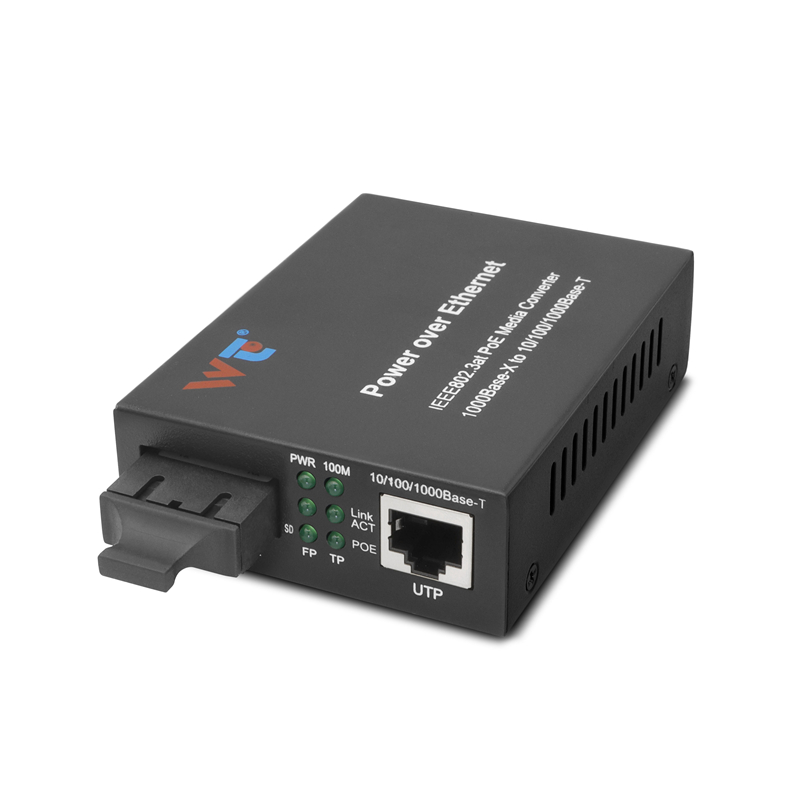
Mistake 3 — Poor Redundancy Architecture
Many plans treat media converters as passive links rather than elements in a fault-tolerant design. Relying on a single fibre path or single-mode converter creates single points of failure. Implement dual fibres or ring topologies and provide automatic failover in switches. A compact redundancy checklist: dual SFPs, link aggregation where supported, and clear restoration procedures for field teams. These steps reduce mean time to repair dramatically.
Mistake 4 — Mismatched Connector Types and Patch Practices
Connector incompatibility and sloppy patching are silent causes of packet loss. Mixing LC and SC or using poor-quality patch cords introduces reflections and insertion loss. Standardise connectors, document the patch panel layout, and enforce cleaning and testing routines. During a recent municipal rollout in Mombasa, simple connector standardisation cut link failures by a clear margin — a modest procedural change that yielded big reliability gains.
Mistake 5 — Skipping an Operational Production Teardown
Deployment plans that lack an operational production teardown miss practical constraints until late. Conduct a teardown that includes spare parts, firmware management, and toolkits. Include {main_keyword} and {variation_keyword} in the teardown documentation to align procurement and field teams. Test recovery scenarios in a lab, record the procedures, and ensure technicians can swap media converters and SFP modules with clear steps for optical power measurement and acceptance thresholds.
Common Fixes and Practical Checklist
Apply these practical fixes across projects. Use calibrated optical power meters at acceptance. Keep a small stock of compatible SFP modules and cleaning kits at each central office. Maintain a simple spreadsheet that maps ports to fibre routes and records link budgets and MTBF figures. These measures form a defensible baseline for service-level commitments.
Advisory Close — Three Golden Rules for Selection
1) Verify the optical power budget and receiver sensitivity before purchase; confirm compatibility with your planned fibre plant. 2) Choose converters with industrial-rated specifications if the site exposure exceeds office conditions; prioritise surge protection and wider operating temperatures. 3) Design redundancy into the topology, and document recovery steps for field staff so mean time to repair is minimised.
For straightforward sourcing and consistent product specifications that match these rules, vendors such as fiber media converter manufacturers offer the tested product families engineers need. Practical reliability comes from matching device capability to site realities—WINTOP helps align inventory, testing, and documentation in one place, reducing surprises in deployment. WINTOP — trusted stock, tested parts, and clear documentation. —
