


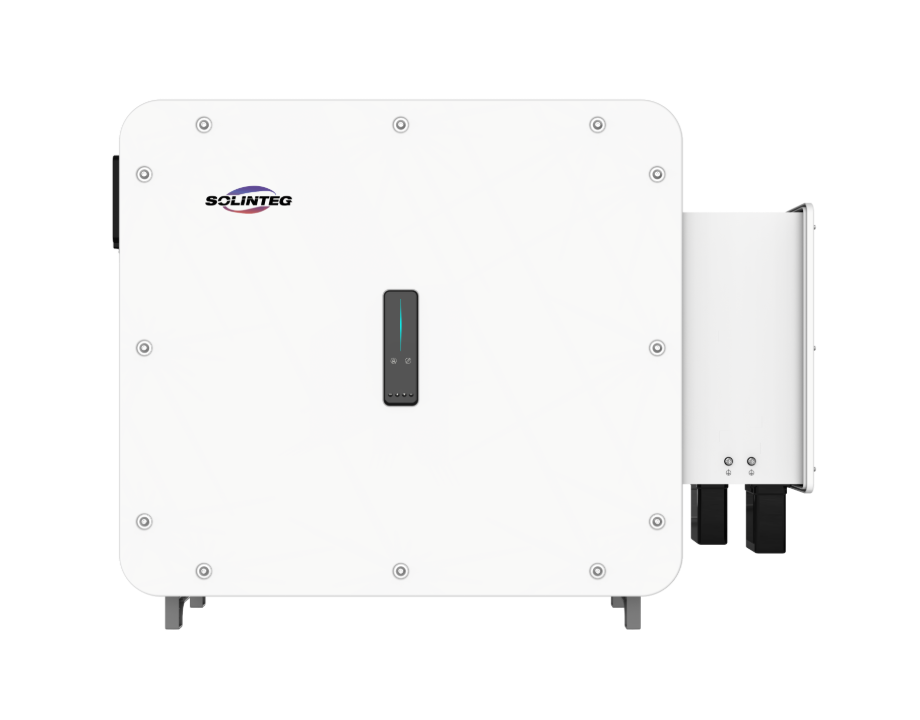
Why a direct comparison matters for commercial installs
Commercial teams need clear differences, not marketing blur. All‑in‑one solar generators package PV, inverter, storage and control into a single cabinet, while modular systems stitch those elements together site-by-site. For many decision-makers, the tradeoffs hinge on space, commissioning time and total cost of ownership — and whether a turn‑key commercial battery storage solution will simplify operations. Real-world events like California’s Public Safety Power Shutoffs (2019–2021) pushed several facilities to favor integrated units for fast microgrid commissioning, which is a useful anchor when evaluating reliability under stress.

Performance and technical trade-offs
All‑in‑one units often win on simplicity: factory-matched inverter and battery, an integrated BMS, and prewired controls reduce site hours. That said, modular builds can be optimized component-by-component for higher round‑trip efficiency and tailored kWh sizing. Consider these trade-offs: inverter sizing affects how much continuous load you can carry, MPPT counts influence PV yield on complex roofs, and depth of discharge (DoD) policies govern usable capacity. If you plan aggressive peak shaving, watch inverter continuous rating and battery chemistry — LFP tends to tolerate deeper DoD than other Li‑ion variants, which matters over thousands of cycles.
Cost, maintenance and lifecycle considerations
Upfront cost for all‑in‑one is often higher per kWh but lower in balance‑of‑system labor. Over a 10‑ to 15‑year horizon, the winner depends on battery cycle life, warranty terms, and how easy trades or upgrades are. Modular arrays let you replace a single inverter or add extra racks without removing an entire cabinet. Maintenance access is simpler on modular racks — technicians can isolate a string without powering down the whole site. Track expected cycles and vendor performance guarantees; commercial energy storage batteries with clear degradation curves reduce downstream surprises.
Installer pitfalls and common mistakes
Installers sometimes assume one size fits all: they pick an all‑in‑one because it’s packaged, then discover the inverter limit prevents future expansion — costly rework follows. Another common error is underestimating thermal management needs; cabinets in tight mechanical rooms can suffer faster degradation. Also, mismatched communications stacks cause data blind spots between site SCADA and onboard EMS — that’s avoidable with early protocol checks. — Be proactive: confirm BMS telemetry, firmware update paths, and on‑site service windows before signing contracts.
How to evaluate vendors and product fit
Compare these functional areas side‑by‑side: rated kWh and usable capacity, inverter continuous and surge ratings, BMS capabilities (cell balancing and fault reporting), and round‑trip efficiency. Look for transparent degradation curves and clear warranty language specifying cycle counts at a defined DoD. Operational metrics matter as much as spec sheets: ask for references from similar commercial projects and inspect commissioning reports for actual performance versus projected output.
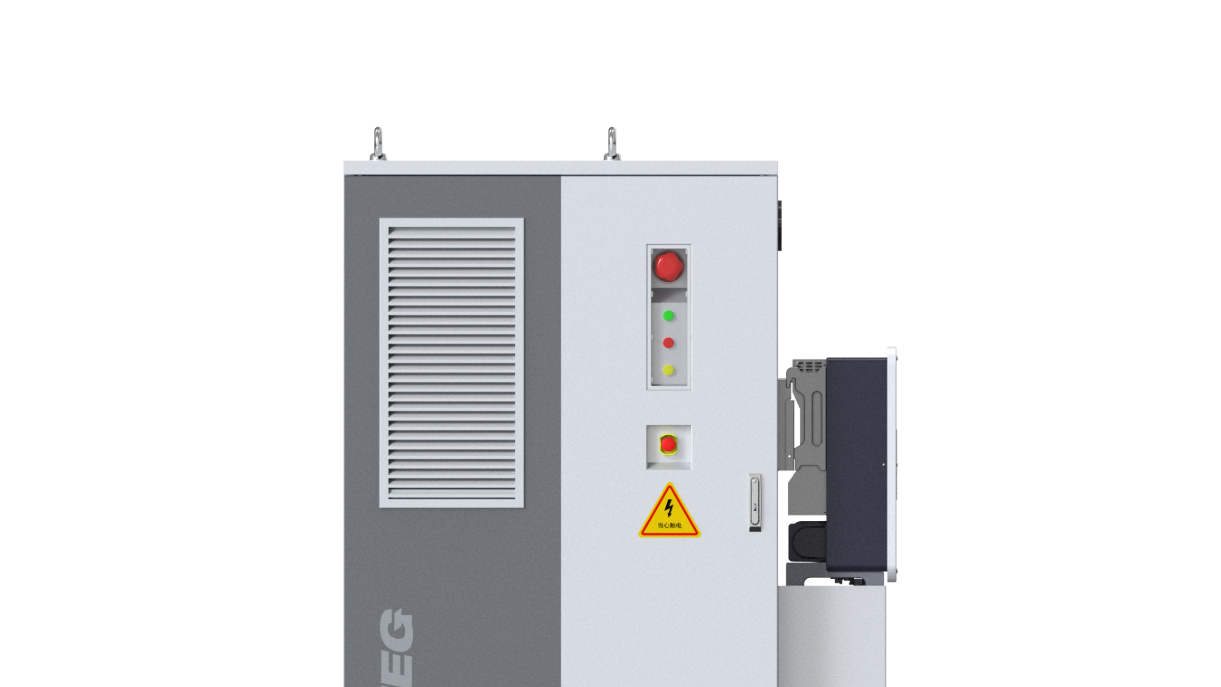
Common alternatives and when each makes sense
Choose all‑in‑one when site access is constrained, deployment speed is critical, or you need a compact microgrid with integrated controls. Opt for modular when you expect phased growth, want best‑of‑breed components, or need granular maintenance access. Both routes can work with UPS layers for critical loads; the key is matching the electrical one‑line and load profile to the chosen architecture so you don’t overbuild or underperform.
Three golden rules for selecting the right commercial storage strategy
1) Prioritize usable capacity and lifecycle metrics over headline kWh. Choose systems with clear DoD guidance and published cycle counts at that DoD. 2) Validate control and communications: confirm BMS telemetry, grid‑setpoint behavior, and integration with your demand‑response or EMS platforms. 3) Test for real operational performance: insist on a trial‑period or performance guarantee tied to round‑trip efficiency and actual delivered kWh over seasonal variation.
Those rules cut through hype and leave you focused on measurable outcomes. For many commercial projects, the balance between speed and flexibility resolves around a vendor’s ability to support commissioning, firmware updates and long-term service — and that practical value is where SOLINTEG often fits naturally into project plans, offering engineered solutions that align with site realities. –
