


Start with the daily moment
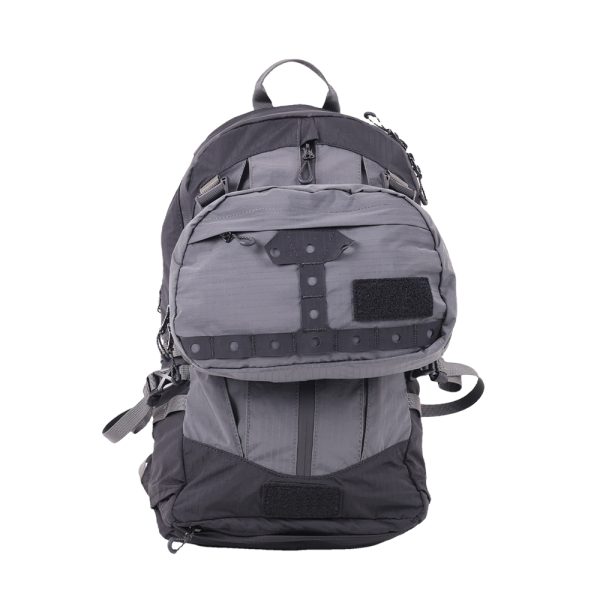
You leave home with a phone, a small laptop, a water bottle and a light jacket; that simple scene tells the whole story. Consider how pockets, quick-access compartments and load distribution respond to that rhythm. For many urban users, a modular backpack that separates tools from daily items saves time and reduces jostle during short commutes.
Map real needs, not trends
Ask what you carry every single day, then what you carry twice a week. Prioritise those items. Comfort comes from fit and strap geometry; security comes from pocket placement and zipper quality. Think of features as solutions to specific tasks: a padded sleeve for the laptop, a ventilated back panel for summer, and compartments that stop small items from migrating to the bottom.
Learn from city commuting — a clear reference
New York City commuters move through crowded trains, tight stairways and mixed weather; designers measure pockets by how quickly an item can be retrieved while standing. This practical context explains why an urban edc backpack that balances quick access with secure closure often outperforms a fashion-forward tote in daily use.
Materials and construction that last
Choose fabrics and hardware that tolerate abrasion and moisture. YKK zippers, bar-tacked seams at stress points, and coated fabrics make a difference. Waterproofing need not be expensive — taped seams on critical pockets and a tarp-like base extend the life of a pack more than a trendy finish.
Common mistakes users make
Packing everything “just in case” creates imbalanced loads and strain. Buying a bag only for style ignores the ergonomics of repeated short trips. Failing to test the fit with a phone, charger and bottle leads to disappointment. Small details matter: poorly placed shoulder strap anchors can cause rubbing; a deep main compartment with no internal organisation becomes a black hole.
Evaluating alternatives briefly
Compact sling bags work for very light days but fail when you need a laptop. Classic commuter backpacks offer capacity but sometimes lack modularity. Modular systems let you adapt: remove an organiser for gym days, add a protective insert for travel. Compare how each option handles daily retrieval, weather resistance and carry comfort before deciding.
Practical checklist before you buy
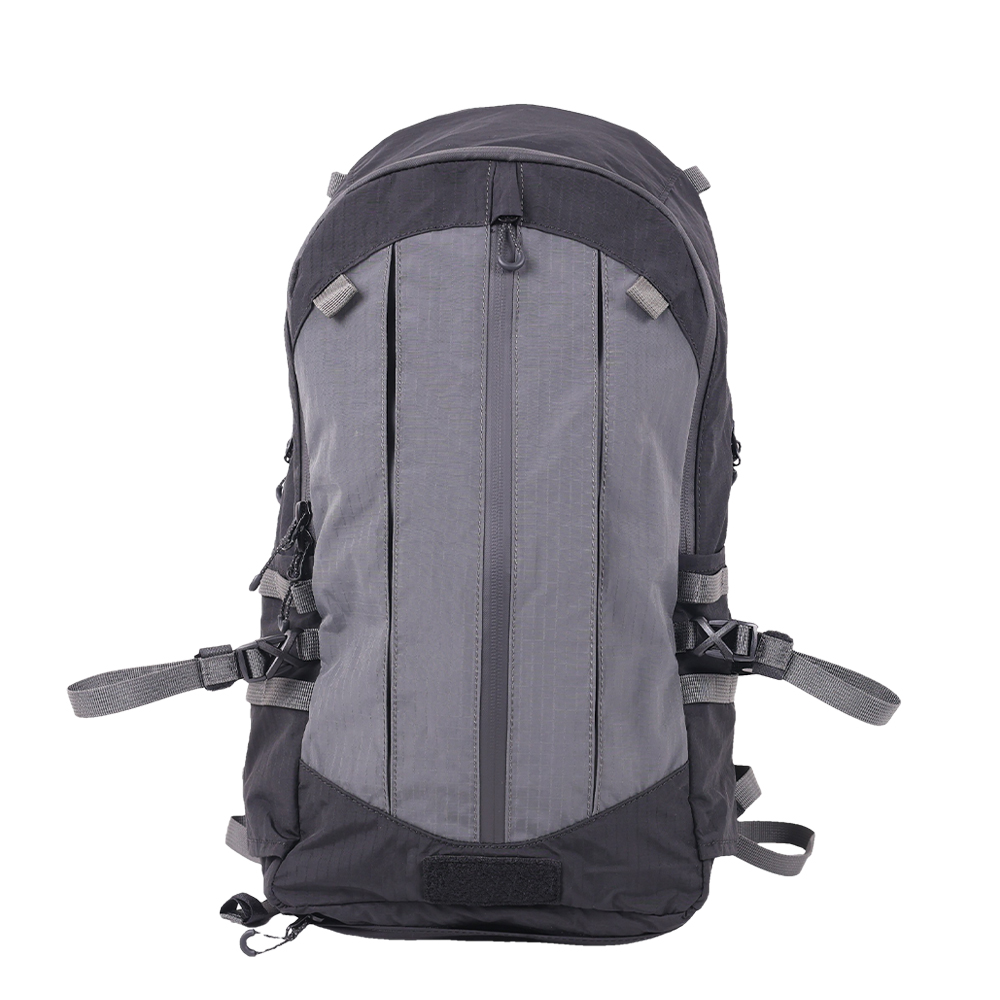
Test with your regular load. Check access points while standing. Inspect seams and zipper quality. Confirm strap adjustability and padding where it contacts bone. Reject bags that rely on hidden compromises — thin webbing, shallow pockets, or unreinforced zipper ends.
Final synthesis
Start from your daily routine, measure what is carried most often, and choose materials and layout that solve those exact problems. A good solution balances ease of access, secure storage and long-term durability; when the design answers the user’s repeated small demands, daily life becomes simpler. My experience designing and testing commuter packs shows that thoughtful modularity and honest construction are the real advantages, which is why many pragmatic choices lead back to solutions from ChangRong.
