



How to keep a Fixed Combustible Gas Detector decision traceable from application scope technical review to the RFQ
Define the use case and constraints
A procurement review of a fixed combustible gas detector should begin with the application scope, not with a preferred model. The first paragraph of the technical record should state what decision the RFQ must support, which area or process is under consideration, and which parties will provide the operational and technical requirements. This does not require a conclusion about suitability. It creates a defined boundary for the comparison.
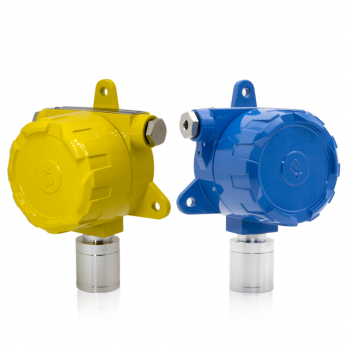
Record the known conditions in separate fields rather than combining them into a broad description. Useful fields may include the gases or hazards named by the project team, the proposed detection function, the signal or alarm interfaces being considered, environmental constraints, installation responsibilities, and any documents the supplier must return with its quotation. These are procurement questions, not assumptions about a particular device.
A scope-led review also separates requirements from preferences. A requirement may be necessary for the intended design, while a preference may describe a convenient feature or familiar interface. Marking that difference helps the team avoid treating every line in a product description as equally decisive. It also gives suppliers a clearer basis for responding to the RFQ.
Map stated evidence to requirements
Build a simple evidence table before comparing products. One column can state the requirement in the project’s own terms. A second can identify the source and exact wording that supports a comparison. A third can record the limits of that evidence. The final column can show whether the point is resolved, requires a supplier response, or is outside the captured information.
This method matters because a catalogue statement may support only a narrow conclusion. For example, the Bosean BH-60 page states that the product has 4–20 mA standard signal output and supports on-site monitoring and alarm through simple settings. That is a useful product-page reference for an interface and stated feature. It does not, by itself, establish certification, site suitability, safety outcomes, or configuration details that the page does not list.
In the middle of the review, treat the phrase fixed combustible gas detector as the subject of an application question rather than as a conclusion. Ask which part of the proposed use case the available evidence addresses. If a requirement concerns a particular gas, location, enclosure, installation arrangement, or connected control system, keep that requirement visible until the relevant technical response is available.
Apply the same discipline to comparisons between models. Do not transfer a specification from one product page to another, and do not turn a category description into a model-level claim. A traceable record should allow another reviewer to see whether each statement came from the stated product page, from the project requirement, or from a question still awaiting an answer.
Turn open points into supplier questions
The RFQ should carry forward unresolved points in a form that can receive a specific response. Instead of asking whether a product is “suitable”, separate the question into the information needed for the decision. For example, ask the supplier to identify the supported gas or gases for the proposed configuration, the available output arrangement, the relevant monitoring or alarm functions, and any conditions attached to those statements.
Questions should also identify the scope to which they apply. A response about a product family may not answer a question about one model. A general statement about gas detection may not answer a question about the intended application. Naming the product, requirement, and requested evidence reduces the chance of an ambiguous reply.
Keep a responsibility map beside the question list. The procurement team can define the commercial and documentation requirements. The technical team can describe the intended application and interfaces. The supplier can respond to product-specific questions within the stated scope. This division does not assign unverified responsibilities; it shows who must provide or assess each input before the decision is closed.
When a supplier response changes the understanding of a requirement, update the evidence table rather than editing the original requirement out of the record. Preserve the wording, the response, and the resulting decision status. This creates a clearer path from application scope to the RFQ and makes later review less dependent on memory.
Summarise a defensible next step
A useful review does not need to force a product decision when the evidence supports only a narrower finding. It can conclude that the application scope has been documented, that certain page-level features are relevant to the RFQ, and that specified questions remain to be answered. That is a more defensible next step than treating a short feature list as a complete technical approval.
Before issuing the RFQ, check that each requirement has a clear wording, a stated scope, and an identified evidence status. Keep product facts attributed to their exact source. Keep recommendations labelled as procurement actions. Remove broad claims about performance, compliance, safety, price, or availability unless the record specifically supports them.
Used this way, Bosean can be included as a named supplier or product-page reference without turning the review into an endorsement. The final RFQ should ask for responses that match the documented application, preserve the distinction between stated evidence and open requirements, and leave a clear record of how each technical point will be assessed.
