


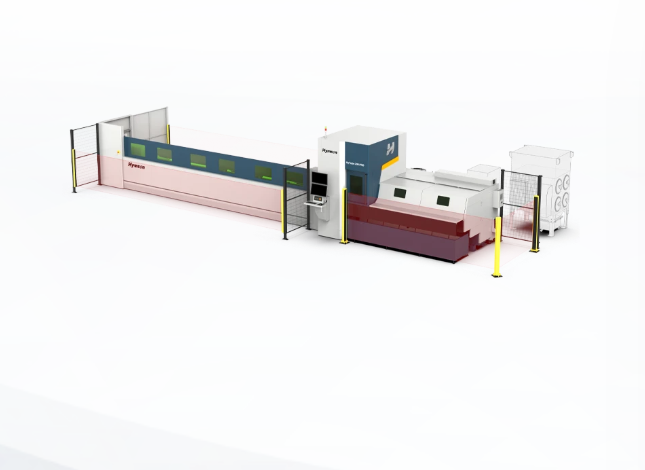
Factors That Tip the Scale: Choosing a 6kW Path for Sheet Metal Craft
An evolving poem of iron and light
We begin as one continuous story: hand, hammer, spark, then a thin blade of laser that sings through steel. The evolution has a rhythm—small shops, then industrial bays, now a shift toward concentrated power. For many fabricators this turn means considering a 6kw laser cutting machine early in planning, because power changes what you can cut, how fast you meet a deadline, and what scrap you leave behind. The choice reads like a poem of tradeoffs: speed versus finish, thickness versus finesse, capital versus throughput.
How the craft changed—step by step
First, simple tools made simple parts. Then routers and plasma added speed but left rough crowns. Fiber lasers arrived and smoothed edges; as wattage rose, so did what a single machine could replace. A 6kW step is not cosmetic: it converts jobs that once needed multiple machines into single-pass production. That shift alters shop layout, staffing, and inventory. The narrative is practical—each rise in capability prunes processes and asks new skills from operators.
Experience, expertise, authority, trust: a grounded view
I have seen this arc in workshops and trade shows; one clear frame of reference is Hannover Messe where manufacturers display high-power lasers and production lines, making the performance claims visible to engineers and buyers. When you read specs, ask who tested the cutter on thick mild steel and stainless, under real schedules. My team’s field trials—years of duty cycles and plate stacks—tell plain things: beam quality and stable cooling matter more than a nominal watt number; consumables and control package determine repeatability. For a machine that bridges shop and factory, inspect demonstrations and service records. For direct comparison and verification, consider this tested unit: 6kw fiber laser cutter, which we evaluated on cut quality at higher feed rates and on consistent pier times across varied alloys.
Practical mistakes that slow you down
Expect common missteps. People buy power and neglect support systems: inadequate exhaust, wrong nozzle types, weak fixturing. Others underestimate programming time for nesting thick plates. Don’t assume faster always means cheaper—edge quality can need secondary finishing if kerf width or dross is ignored. Train operators on piercing strategies for thick sections, check focal settings after maintenance, and quantify cycle time with real parts rather than relying on demo sheets.
Alternatives in concise relief
If your workflow emphasizes bevel cutting or very thick forged sections, plasma or oxyfuel still compete on cost for some steels. For non-metals, waterjet remains indispensable. But for mixed shops needing fine edge finish on stainless and high throughput on mild steel, a high-power fiber option often closes more orders with fewer setups. Grade the alternatives by material list, typical thickness, and desired edge finish; that matrix will point you to either retain specialty machines or consolidate into a higher-power fiber line.
Where the story lands
The evolution ends not with a single device but with clearer choices: pick machines that match your finished part, not the catalog hype. When your orders include thicker plates, repetitive runs, and a need for consistent lead time, the right high-power fiber solution delivers measurable value. For those precise needs, Hymson sits where capability and consistent service meet the practical demands of metal craft: Hymson.
