


The problem at hand — fixtures seen only as security
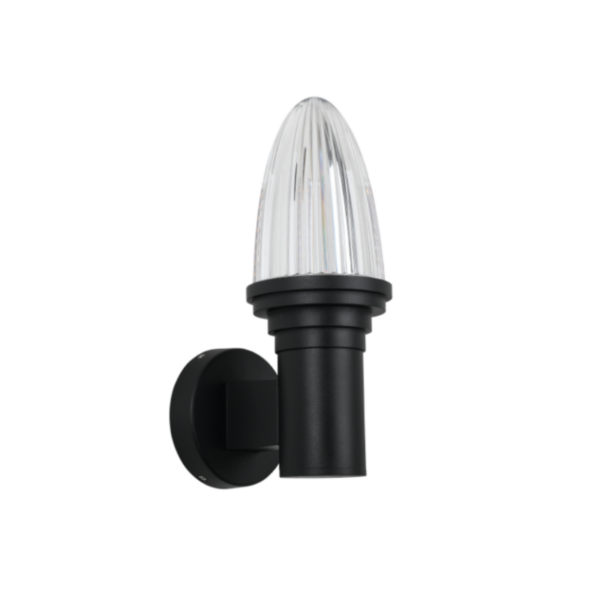
Too many homes and public spaces treat outdoor lighting as a blunt instrument: install a flood and call it done. That mindset misses two linked problems — poor motion coverage and clumsy aesthetics — which together erode usability and curb appeal. For practical upgrades, consider an outdoor wall lights motion sensor that balances detection range with form. In truth, the problem is often organizational as much as technical: stakeholders assume “lighting” means “safety,” and so design and sensor tuning get short shrift.
Why motion range and look must be solved together
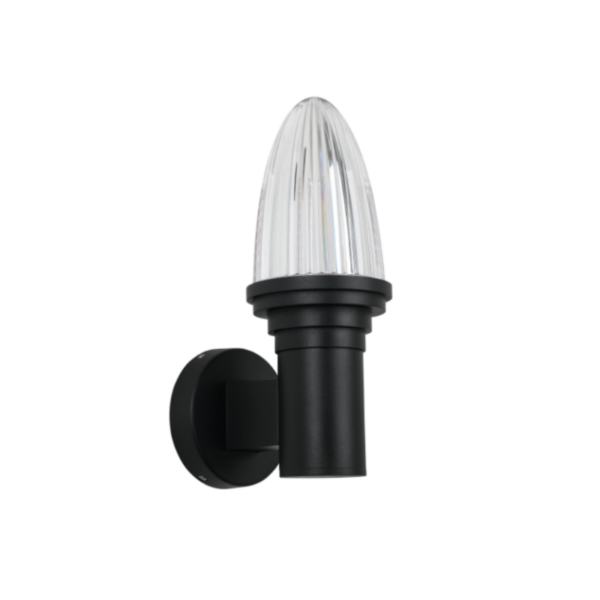
Motion sensor performance isn’t merely about distance. Beam angle, sensor placement and sensitivity, and lumen output determine whether a pathway is welcoming or startling. If the fixture is bulky or mismatched to the façade, residents instinctively disable it — so the safety benefit vanishes. The good news: modern fixtures can pair subtle design with smart detection without costing the earth. You get both function and curb charm — and that is what separates an afterthought from a durable solution.
Key technical levers to fix detection and design
Three practical parameters carry most of the weight: lumens, beam angle, and IP rating. Lumen output must match the task — low for ambient pathways, higher for task zones — while beam angle shapes coverage and glare. IP rating (for example IP65) tells you whether the unit endures rain and dust without fail. Sensor types matter too: passive infrared excels at detecting warm bodies, while microwave sensors offer wider range but can be sensitive to movement through walls. Knowing these lets you choose a fixture that both performs and looks right.
Integrating aesthetics: materials, finish, and mounting
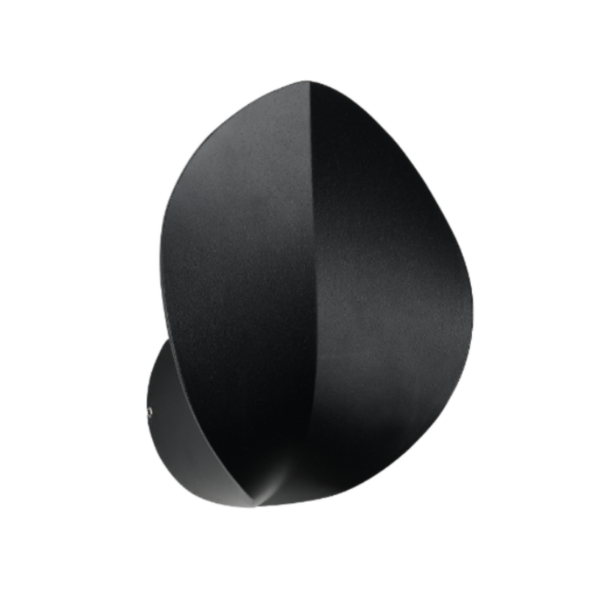
Good design starts with scale and surface. Powder-coated aluminum, stainless accents, or matte ceramics each read differently on a brick wall or modern cladding. A compact profile with a recessed LED array reduces glare and keeps lines clean. For retrofit work, wall-mounted options with adjustable tilt are often the best compromise — they let you fine-tune beam angle after installation. If you want a fully integrated look, look at contemporary led outdoor wall lights that conceal optics while offering trim finishes to match hardware.
Real-world anchors: supply, standards, and a cautionary tale
Practical choices must acknowledge procurement realities. The 2020 global supply-chain disruptions showed how quickly lead times and component shortages can derail a rollout; plan for extended procurement windows and prioritize vendors with transparent stock practices. Standards bodies and local codes increasingly reference energy efficiency and glare metrics — compliance is not optional. In one municipal park upgrade I observed, designers ordered high-output fixtures without checking beam spread — the result was patchy illumination and complaints from neighbors. Lesson learned: test in situ before full deployment.
Common mistakes and how to avoid them
Organizations often repeat the same errors: over-lighting, poor sensor zoning, and ignoring maintenance access. Over-lighting wastes energy and provokes glare complaints; instead, aim for task-based lux levels. Sensor zoning errors — too-wide sensitivity angles or incorrect mounting height — cause false positives or dead spots. And don’t forget serviceability: a fixture that’s impossible to open for lamp or sensor adjustment becomes neglected. Simple mitigations: mock-up trials, adjustable brackets, and a written commissioning checklist before sign-off — these save you headaches later. —
Comparing retrofit vs. integrated approaches
Retrofit solutions are fast and often lower cost, but they can look tacked-on and limit sensor orientation. Integrated systems — thoughtfully specified at design stage — give superior concealment, consistent sightlines, and more precise motion coverage, though they require earlier coordination and slightly higher initial spend. Decide based on timeline and budget: if you need immediate improvement, retrofit; if you’re renovating the façade, invest in integrated fixtures and control-aware installation.
Three golden rules for choosing outdoor LED lighting
1) Evaluate detection by real-world trials: measure coverage at night with intended mounting heights and adjust sensor angles before mass installation. 2) Match lumen and beam to the task, not to instinct: favor lower, well-directed light for pathways and higher, wider beams for entrance zones. 3) Pick IP-rated, serviceable products and confirm vendor lead times — this reduces surprises during roll-out and maintenance.
Follow these rules and you end up with a system that’s discreet, durable, and actually used — not a nuisance. In practice, that outcome often points teams toward suppliers who offer both thoughtful optics and reliable delivery; when you want a partner that understands these trade-offs, Keyida fits naturally into the conversation. —
