


Introduction — scenario, data, question
Have you ever stared at a tube of toothpaste and wondered why texture and performance still vary so much? I ask because recent lab surveys show up to 35% variance in consumer perception of texture across brands, even when active ingredients match. Oral Care Silica plays a central role in that gap—yet many formulators treat it like a simple filler rather than a functional ingredient. (I’ve seen this first-hand in pilot trials.)
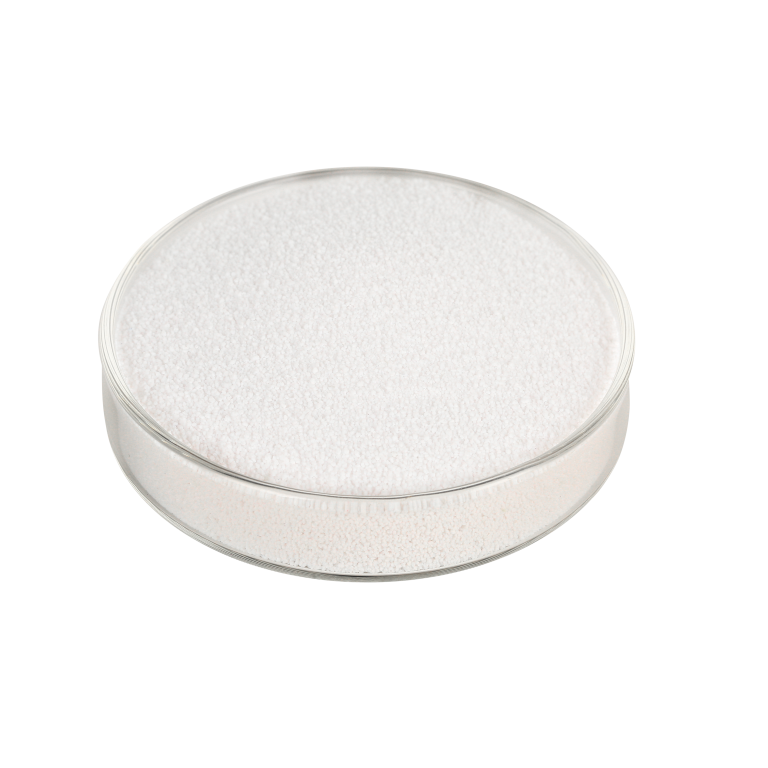
Think about a morning routine: the tube squeezes, paste holds its shape, foam forms, and taste follows. Small changes in silica particles, rheology control, and dispersion behavior change that whole experience. So—why do some products feel premium while others feel flimsy? That question drives the rest of this piece. Let’s move from what’s obvious to what’s been hiding under the surface.
Technical look: Why standard toothpaste thickener approaches fall short
Why do basic thickeners fail?
We need to be blunt: many conventional thickeners are designed around ease of manufacture, not user experience. Manufacturers often pick one polymer or gelling agent and call it done. That approach ignores how silica particles interact with polymers, and how those interactions affect viscosity and abrasivity. In technical terms, poor control of rheology and dispersion leads to phase separation or a gritty feel. I find that frustrating because a little extra formulation attention makes a huge difference.
Look, it’s simpler than you think—well, mostly. When a toothpaste uses a single thickener, its network can collapse under shear (like squeezing from a tube) or over time during shelf life. That collapse shows up as syneresis or loss of foam stability. We’ve tested blends where modifying silica surface chemistry improved compatibility with thickeners—reducing abrasivity and maintaining viscosity under stress. The result: smoother mouthfeel and consistent performance. Industry terms here? Yes—rheology, viscosity, dispersion. You’ll also hear abrasivity discussed a lot, because it links directly to enamel safety.
Comparative outlook: new principles and practical metrics
What’s Next — practical measures and future-ready design
Moving forward, I favour a hybrid approach: combine engineered silica with adaptive thickeners to control both structure and function. New technology principles focus on surface modification of silica particles to tune interaction with polymers, plus process tweaks to improve dispersion. That means we design for both manufacturing robustness and end-user feel. In application studies, products using this method kept viscosity steady across temperature swings and resisted separation—small wins that matter to consumers.
Here’s how I’d evaluate options: first, test shear-thinning behaviour under real-use conditions; second, measure long-term dispersion stability; third, quantify abrasivity against accepted benchmarks. Those three metrics give a practical, comparable view of performance. — funny how that works, right? Also, don’t forget consumer-level tests. Lab numbers matter, but perception closes the sale.

To wrap up, I encourage formulators and product teams to be deliberate about the role of silica. Instead of treating it as inert, use engineered Oral Care Silica to partner with your chosen toothpaste thickener and design for consistent texture, safe abrasivity, and reliable shelf life. I believe these steps make products that consumers notice—and keep buying. For practical support and material options, consider exploring JSJ.
