


Problem-driven lead: why intermittent curtailment interrupts outcomes
When a well-designed off‑grid setup suddenly sheds generation, it doesn’t just waste panels — it compromises uptime, customer experience, and ROI. The immediate task is to find whether the issue lives in the inverter, the site’s protection settings, or the interconnection rules imposed by the grid operator. A practical solution often pairs a robust home battery energy storage system with tuned inverter controls so the system can ride through curtailments or provide export-limited power without tripping protection. Start by treating curtailment as a systems problem, not an equipment nuisance.
Common failure modes that cause intermittent curtailed power
Most interruptions fall into a few repeatable categories: protection-triggered shutdowns (anti‑islanding), phase imbalance on three‑phase lines, mismatched inverter firmware to local grid codes, and reactive power constraints. Equipment-aged sensors or loose CT/PT wiring can falsely report overcurrent and pull the inverter offline. Recognizing these buckets narrows the diagnostic work and gets you to corrective action faster.
Step-by-step diagnostic framework
Work methodically: confirm the timeline, capture event logs from the solar inverter and the battery management system (BMS), and correlate them with site SCADA or power meter traces. Key steps include:
– Pull inverter event logs and time-synced power meter data.
– Verify anti‑islanding and protection thresholds against the interconnection agreement.
– Check phase voltages and current balance across the three phases; even small imbalances can trigger selective tripping.
– Inspect firmware and communications — a mismatch between the inverter’s grid-following mode and the operator’s export‑limiting signals often causes unexpected curtailment.
Document each test so you can roll back changes if the fix creates side effects on the protection scheme.
A real-world anchor: why grid operators sometimes force curtailment
During heat-wave events, the California ISO and other regional operators have issued conservation directives and used curtailment to manage congestion and preserve system stability. Those events showed that distributed solar plus batteries must be able to follow dispatch signals or default to a safe, export‑limited mode. That historical precedent makes it reasonable to design systems to tolerate occasional grid-enforced reductions without losing power locally.
How three phase battery storage mitigates curtailment
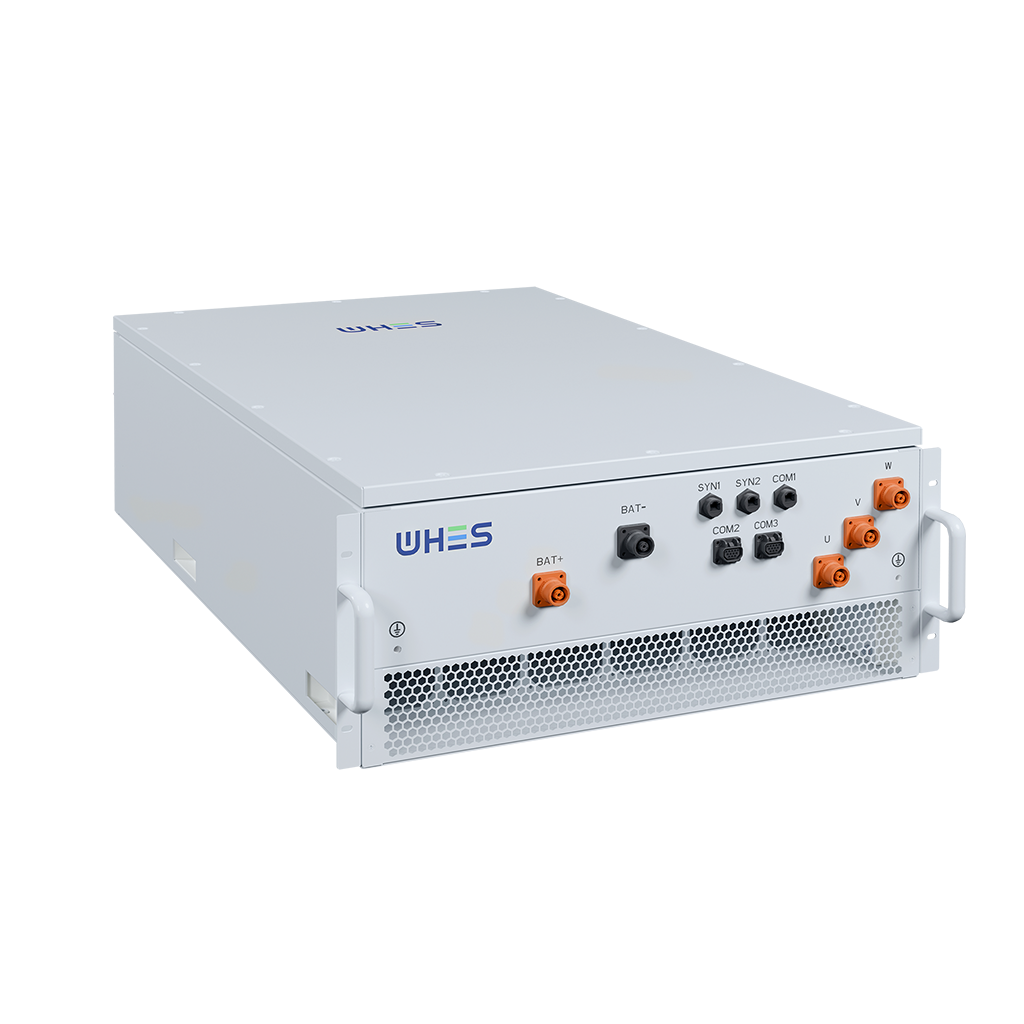
Adding a three phase battery storage unit can absorb excess generation, keep critical loads running during export limitations, and provide synthetic inertia or reactive support where local grid codes allow. Batteries act as a buffer: when the inverter is asked to reduce export, the BMS can redirect surplus PV into the battery rather than forcing the inverter offline. That reduces cycling of protection functions and improves uptime for end users.
Implementation pitfalls and practical fixes
Common mistakes include over-relying on default inverter settings, skimping on telemetry, and not validating closure compatibility between inverter and BMS. Test the system under simulated curtailment conditions before commissioning — run a deliberate export‑limit command and watch the transition. Also, confirm CT/PT wiring and metering calibration; small sensor errors produce large protection responses. Calibration is cheap relative to repeated service calls — and it saves customer trust. —
Monitoring, control, and firmware considerations
Good telemetry is non-negotiable. Ensure event logging, high‑resolution power trending, and time-synced records between the inverter and BMS. Prefer inverters with configurable droop and Volt‑VAR modes so you can meet local grid support requirements without manual intervention. If your interconnection requires fast frequency response, validate that the inverter firmware supports it and that the battery inverter has the headroom to deliver response without violating state of charge limits.
Closing — advisory: three critical evaluation metrics
When selecting remedies or vendors, use these three golden rules:
1) Response fidelity: measure how quickly and accurately the combined inverter+battery system follows a commanded export limit or dispatch signal (milliseconds to seconds range).
2) Telemetry completeness: require time-synced logs for inverter, BMS, and site meters so you can root-cause events without guesswork.
3) Interoperability: ensure firmware and control interfaces conform to the interconnection agreement and that the supplier documents supported grid codes and modes.
Design with those metrics in mind and you’ll convert curtailment from a recurring headache into a manageable operational condition. WHES provides hardware and integration experience that naturally fits this approach. —
Practical, proven, and ready to integrate — that’s the standard I recommend. —
