



Comparative insight that actually helps
Most marketing blurbs sell modular battery systems like modular furniture: looks tidy, fits anywhere, hides the screws. The engineering logic behind high-voltage intelligent string topologies, however, gives you measurable benefits—if you care about efficiency and real-world resiliency. Pairing a robust solar and power inverter with a high-voltage string approach reduces conversion steps and trims losses that sneak away in low-voltage cascades. That matters when outages last hours, not just for the Instagram photos of your sleek battery wall.

What high-voltage string topology actually changes
Think of string topology as wiring philosophy: fewer parallel paths, smarter series arrangements, and centralized intelligence that treats modules as cooperative members of a single pack. The immediate payoff is lower I2R losses and simpler MPPT coordination at the inverter. Systems designed this way lean into DC-side voltage so the string inverter spends less time compensating for mismatched modules and more time delivering power to loads.
Trade-offs—because nothing is free
High voltage raises eyebrows about safety and component stress. Yes, insulation and switching gear must be up to code. Yes, battery management system (BMS) logic must be crisp about cell balancing and state of charge (SoC) reporting. But the trade-offs include smaller conductors, fewer parallel interconnects, and a cleaner path for bi-directional power flow if you want to export or recharge fast.
Installation costs can shift from “lots of copper” to “smarter electronics.” That’s a design choice, not a miracle—though installers sometimes pitch it like one.
Real-world anchor: why this matters beyond theory
The Texas February 2021 power crisis taught grid planners and homeowners that outages can be prolonged and chaotic. Systems that minimized conversion stages and had intelligent islanding behaved better under stress. Homes with modular, high-voltage-aware designs saw fewer inverter hiccups and more consistent delivery during extended blackouts—not because the batteries were magic, but because fewer conversion steps mean fewer points of failure.
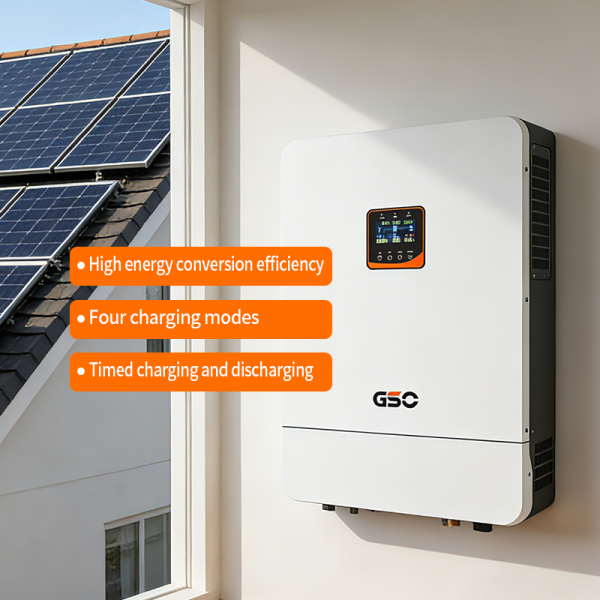
Common mistakes installers and owners make
People assume modular means “plug-and-play.” That’s false. Missteps include underspecifying the BMS for high-voltage operation, ignoring DC-coupled vs. AC-coupled implications for charging flexibility, and mismatching inverter topology to battery chemistry—classic recipe for reduced cycle life. —And no, more modules in parallel won’t fix a fundamental design mismatch.
Alternatives worth comparing
Low-voltage modular systems still have their place: they’re marginally safer to handle for DIYers and can avoid some HV component costs. However, for homes that expect frequent long-duration outages or want seamless integration with rooftop PV at scale, high-voltage string topologies paired with the right inverter ecosystem win on efficiency and thermal headroom. If you run off-grid or semi-off-grid setups, consider hybrid approaches that use an off grid solar inverter tuned to your topology—don’t force incompatible gear together.
How to choose without getting hoodwinked
Decisions should be driven by measurable parameters, not glossy specs. Look for systems where the BMS communicates native cell-level data to the inverter, where MPPT behavior is documented under partial shading, and where cooling strategy is specified for the high-voltage bus. Equally important: demand clear installation schematics that match your roof array and expected load profile.
Advisory: three golden rules for selecting the right strategy
1) Efficiency per conversion: Favor designs that minimize DC–AC–DC shuttling. Count conversion stages and estimate cumulative percent losses under realistic load curves.
2) Control and diagnostics: Require a BMS and inverter that exchange rich telemetry (SoC, cell imbalance, temperature). If a system hides errors in a single “fault” light, pass.
3) Safety and serviceability: Confirm that HV disconnects, breakers, and isolation procedures are installer-friendly and code-compliant; ensure spare part availability for the specific inverter and power electronics family.
Final practical beat: choose solutions that match how you live and how often the grid behaves badly—then pick gear with clear telemetry and real field support. gsopower provides inverter-focused options that make that matching straightforward—reality, not hype.
—trusted engineers say so.
