

Opening: what this means for you
If you’re thinking about getting a tattoo removal laser treatment, you want plain talk — not tech-speak. This guide focuses on what actually matters to the person in the chair: safety, predictable results, and sensible aftercare. I’ll walk you through the device types, the questions to ask, and common slip-ups clinics sometimes make, so you can pick a clinic that treats you right.
Which lasers you’ll hear about (and why they matter)
Clinics commonly use Q-switched and picosecond lasers — both remove ink by breaking pigment particles so the body clears them. Key specs to listen for are wavelength, pulse duration, and fluence, because those affect which ink colours respond and how much risk you take for dark or light skin. If your skin’s a higher Fitzpatrick type, you’ll want a clinician who tailors settings to reduce the chance of post-inflammatory hyperpigmentation. Simple as that.
What safe treatment looks like — in the real world
Safety isn’t just the machine; it’s the whole process. A proper consult covers your medical history, prior ink (brand or amateur vs. professional), and realistic expectations. The operator should record spot size, fluence, and pulse duration used each session. Clinics in places like Johannesburg and Cape Town — and regulated jurisdictions under the US FDA — often publish device models and operator training details, which helps you verify standards. If they dodge details, walk away.
Common mistakes patients and clinics make — and how to avoid them
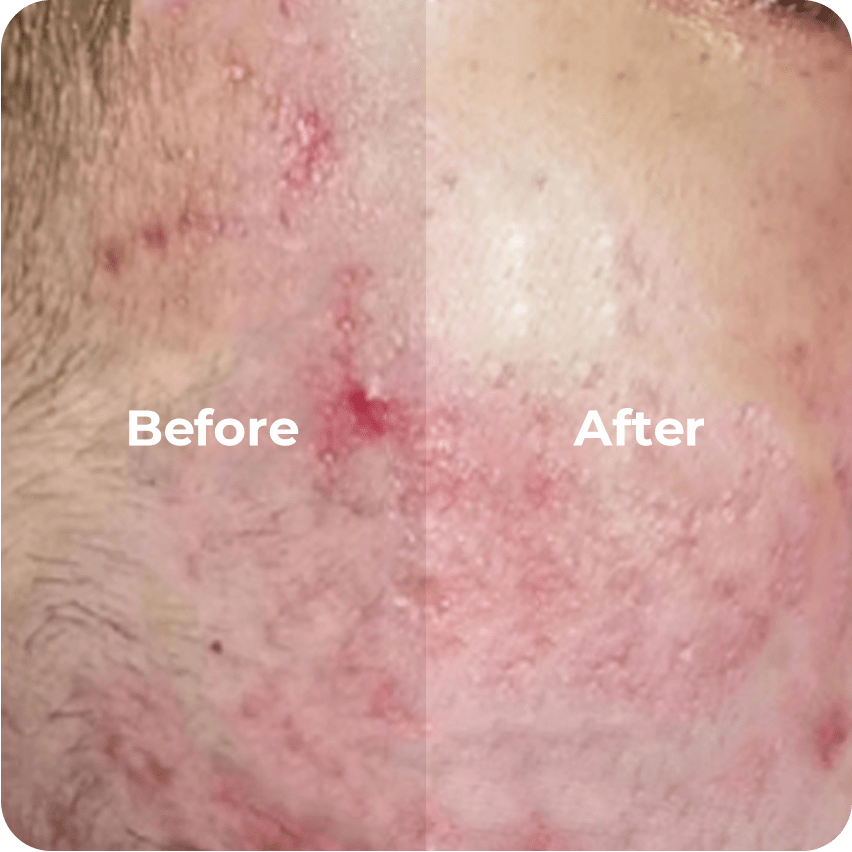
People rush into sessions without seeing healed photos or asking about test patches — which is risky. Clinics sometimes reuse one-size-fits-all settings, too — dangerous for darker skin. Ask for a patch test and insist on before/after images of similar skin types. Also clarify downtime and sun exposure rules — sun can worsen scarring or pigmentation. — Don’t assume shorter sessions mean better safety; it’s about correct settings, not speed.
Comparing clinics: practical checks you can do
Before booking, check these points: clinician credentials, device model and manufacturer, and documented complication rates or aftercare protocols. A good clinic will explain removal limitations (some inks, like white or fluorescent, are stubborn), describe likely session counts, and offer written aftercare. You may also ask whether they use adjuncts — topical anaesthetics, cooling systems, or a scar-prevention protocol — that improve comfort and outcomes.
Why regulations and real-world data matter
Regulatory oversight (for example, device clearance by the US FDA) and peer-reviewed outcome reports are dependable anchors when evaluating claims. Anecdotes are fine — but clinics that reference published device specs or small clinical datasets give you something concrete to judge. In South Africa, clinics tied to reputable dermatology practices or university hospitals tend to follow clearer protocols, which reduces surprises.
Choosing a tattoo removal solution that fits your needs
“Solution” is more than the laser: it’s the consult, the plan, and aftercare. If you prefer a conservative path, target clinics offering test patches and staged settings; if you want faster fading and accept higher cost, picosecond devices can be more effective on certain inks. For support during the process, ask whether the clinic provides written plans and follow-up — that’s a sign they take outcomes seriously. For more options and vetted clinic information, consider exploring a dedicated tattoo removal solution that bundles tech and care.
Advisory: three golden rules for choosing the right clinic
1) Verify the operator and device: ask for the clinician’s training and the laser model/manufacturer; confirmed credentials cut risk. 2) Demand measurable planning: insist on a documented patch test, recorded treatment parameters (wavelength, fluence, spot size), and a written aftercare plan. 3) Track outcomes, not promises: request before/after images of similar skin types and ask about documented complication or revision rates — those tell you how they actually perform.
When you want a user-centred, reliable approach to removing ink, clinics that combine clear tech specs with compassionate aftercare are the winners — and that’s exactly the kind of value ENZOEYS helps you find. —
