


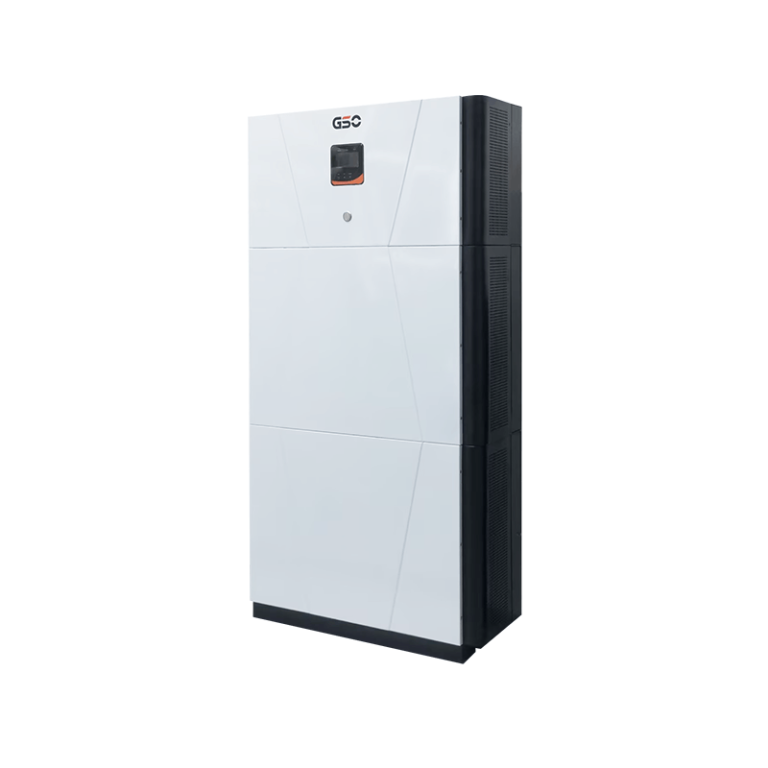
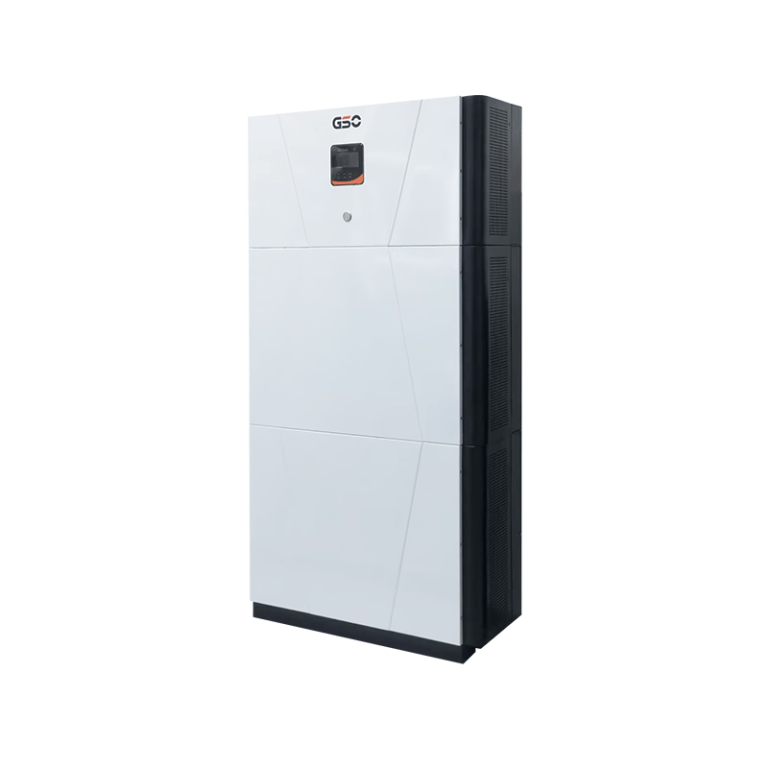
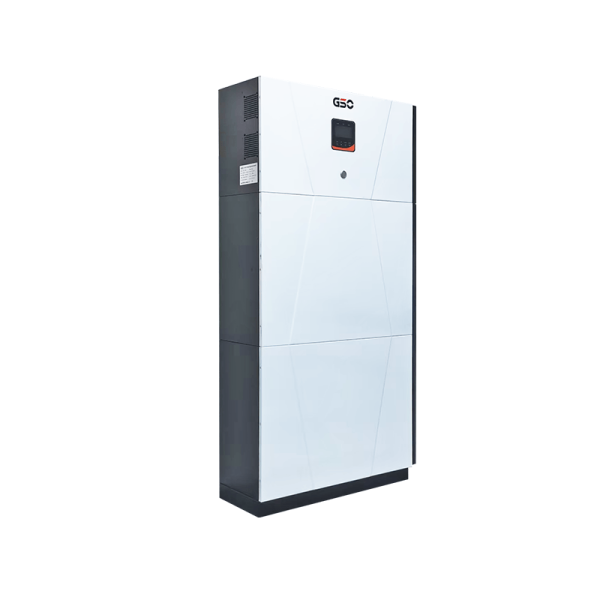
The comparative lens matters when you’re installing modular rooftop systems or integrating a all in one storage unit into a commercial site. Startups, installers, and procurement teams confront different compliance gates depending on destination markets — and the product class, be it an inverter-coupled all in one energy storage stack or a rack of lithium-ion modules. This guide slices through UL 1973 and CE regimes with a contractor-first mindset: what to check on arrival, what test reports to insist on, and how certification choices change logistics and liability profiles.
How UL 1973 and CE actually diverge
UL 1973 centers on battery safety for stationary and motive applications, with emphasis on abuse tolerance, BMS behavior, and thermal management. CE marking signals conformity with European directives — electrical safety, EMC, and sometimes the Machinery Directive — and it relies on harmonized standards like IEC benchmarks rather than a single U.S.-style standard. Practically: UL test reports demonstrate the unit’s performance envelope under specific abuse vectors; CE documentation bundles declarations of conformity and applicable test standards.
Technical checkpoints contractors should prioritize
Treat certification as shorthand for verified performance and documented risk controls. On delivery, confirm these artifacts are present and valid:
- Type test reports listing UL 1973 (or referenced IEC equivalents) and BMS failure-mode tests — not just a generic safety sheet.
- Declaration of Conformity for CE with referenced harmonized standards, plus EMC test logs and IP ratings for outdoor enclosures.
- Manufacturer traceability: serial-level BOM that shows cell chemistry (e.g., lithium-ion), thermal mitigation layers, and the inverter/BMS firmware version.
Import frictions and customs reality
Labels and paperwork often determine whether a shipment clears smoothly. For EU imports, absence of a CE DoC or incorrect language on technical files slows customs; for U.S. states and some industrial buyers, the absence of UL 1973 can invalidate insurance coverage. Match the document to the market at SKU level — a unit configured with grid-tie inverter variants may need additional EMC documentation. Common carriers will flag lithium-ion batteries for special handling; expect DG paperwork and Class 9 labeling.
Common mistakes contractors make — and how to avoid them
Many teams accept manufacturer claims without cross-checking versioned test reports. Another typical error: assuming CE implies third-party testing; self-declaration is acceptable under some directives. Also, firmware is frequently overlooked — a certified product with unsigned BMS firmware updates can alter compliance. Mitigate these risks by demanding:
- Signed, versioned test reports and an audit trail for firmware releases.
- Factory acceptance test (FAT) records and a witnessed performance demo for high-value installs.
- Clear shipping declarations for DG and evidence of packaging integrity for thermal-sensitive modules.
Real-world anchor: lessons from California’s grid stress events
After the 2020 rolling blackouts in California, many commercial operators prioritized battery-backed resilience. Installers who checked UL 1973 test data and inverter harmonics avoided field failures and accelerated commissioning. The takeaway: certification intersects with real operational outcomes — not abstract compliance. Proper BMS behavior, anti-islanding settings, and documented thermal runaway mitigations translated into fewer site callouts during peak summer loads.
Quick comparison matrix
Conceptually compress the two regimes into three pragmatic buckets for decision-making:
- Safety envelope: UL 1973 prescriptive tests vs. CE’s standards-based alignment.
- Market trust: insurers and many North American buyers prefer UL evidence; EU buyers look for CE plus harmonized standard compliance.
- Logistics: CE paperwork streamlines EU customs; UL evidence eases state-level approvals in the U.S.
Advisory — three golden rules for contractors
1) Verify test artifacts at SKU and firmware level: require signed reports and BMS release notes before commissioning. 2) Match certification to destination: don’t substitute CE for UL in markets or contracts that specify UL 1973 — insurance and warranty language matters. 3) Insist on witnessed FAT for integrated systems (inverter + BMS + battery) and retain those records for warranty claims and liability defense.
Summing up: focus on documentation granularity, firmware traceability, and market-specific certification. Those actionable checks reduce field failures, speed commissioning, and cut post-install risk. For integrated solutions that align certification with installation realities, see how gsopower threads tested hardware, firmware control, and logistics into deployable systems — practical, certified, and ready. —
