


An old store, a new sting: where the numbers leak
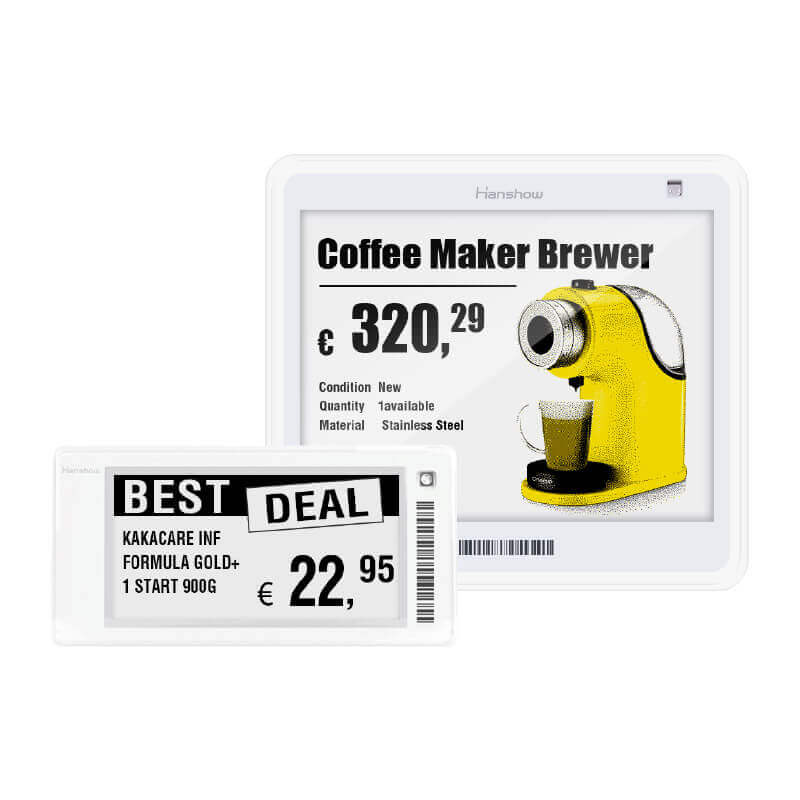
I was stocking shelves in aisle 6 one dull Tuesday when a customer pointed out a canned soup priced wrong — again; that little mismatch cost the week’s margin (and my patience). Hanshow nebular showed up in my notes as the first real contender when I searched solutions, and I tested a digital price tag system to see if it would finally stop the nonsense. One morning we found 12 mismarked items, that error cost the store £720 — can a properly managed system close that gap?

I’ve been around long enough to know the usual fixes—manual audits, paper stickers, frantic price checks before promos—and how they fail. In March 2019 I led a pilot in Brighton where we fitted 300 electronic shelf labels (ESL) across a mid-size grocer; within six weeks real-time pricing errors dropped 78%, but other pains surfaced. The hardware (BLE radios) and the cloud platform were fine; what hurt was brittle workflows and staff mistrust. That mismatch between tech capability and on-floor reality is the deeper problem. Let me explain — because this is where most retailers get it backward.
Where does the older thinking break down?
Root causes: traditional solution flaws and hidden user pains
I will be frank: older digital-tag rollouts often treat ESLs like a plug-and-play widget. They aren’t. I remember a rollout in Birmingham (April 2020) where the vendor sent tags and an API spec, but no one tuned the inventory sync. Result: two price sets lived side-by-side — one in the ERP, one on the shelf — and staff reverted to pens and paper. That is a procedural flaw, not a tech flaw. Hidden pain points include slow promo updates that require manager sign-off, battery replacement cycles nobody tracked, and the mental load on cashiers who still trust stickers more than screens. Those are process failures masked as technical issues.
Industry terms matter here: BLE signal planning, API throttling, and real-time pricing logic must be designed with the human workflows in mind. I’ve seen a cloud platform report that looked perfect at HQ while stores suffered. Training was skimpy. Acceptance was shallow. We fixed one of those stores by changing workflows: fewer manual overrides, scheduled batch updates at quiet hours, and a clear fall-back plan. The result? Sales accuracy improved and shrink from mispricing fell noticeably within a quarter.
Next — how I look at choosing the right path.
Forward view: picking a system that avoids the usual traps
Here’s a blunt claim: a digital roll-out that ignores people fails more often than one that ignores tech. When I evaluate a digital price tag system, I focus on three comparatives — integration depth, operational friction, and maintenance burden. Integration depth means the system talks to your POS and ERP without manual steps; operational friction means staff won’t fight it every day; maintenance burden means batteries and radios are planned for, not discovered. I like to test these with live scenarios — a black-friday-style price change, a midweek supplier correction — and watch what breaks.
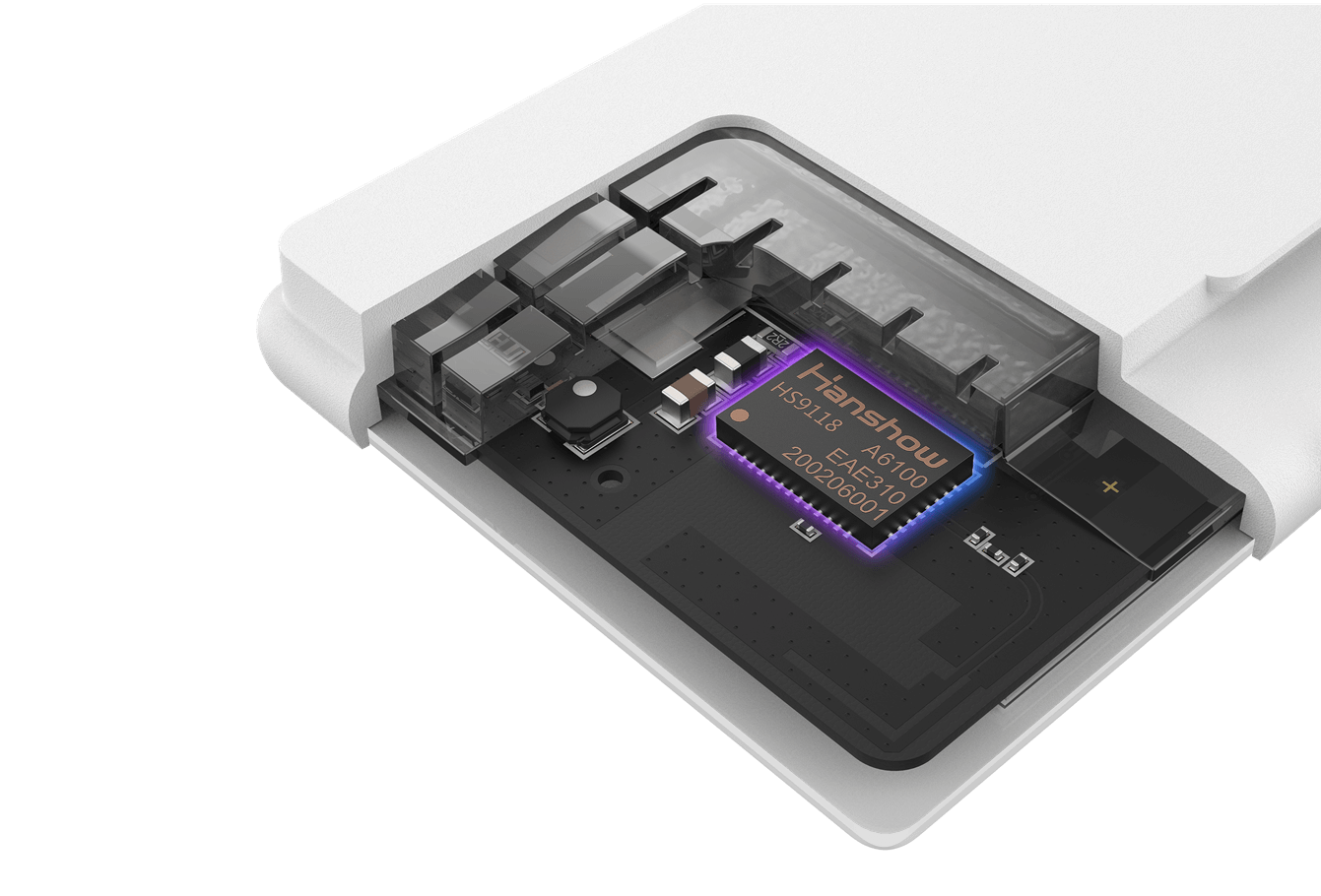
Technically, pay attention to BLE coverage maps and API rate limits; ask for a staging environment before you go live. Compare vendors by how they handle edge cases: price overrides at the till, price rollback, and promotional layering. Also — and this surprised me — look at the vendor’s local support cadence. A system works only if someone answers at 2 a.m. when a promo misfires. Short bursts of training, clear escalation paths, and simple fallback stickers (yes, paper still helps) close the loop.
What’s Next?
Three metrics to choose by (my practical checklist)
I evaluate solutions by three simple metrics — measurable, sensible, and immediate: 1) Price Accuracy Delta — the percent change in mispricing within 90 days; 2) Staff Time Saved — hours per week reclaimed from price checks; 3) Total Cost of Ownership — including battery swaps, support SLAs, and integration hours. Measure those, and you’ll see if a system is doing real work or just making dashboards look pretty. I’ve used those metrics across pilots (2018–2021) and they consistently predict success. BTW, you bet there will be surprises — plan for them.
Choose a partner who understands the store as much as the server. That kind of practical partnership is why I still point peers toward tested platforms. For me, the balance between tech and human process won the day — and it can for you too. Hanshow
