


Why city driving in Metro Manila makes dash cams a different beast
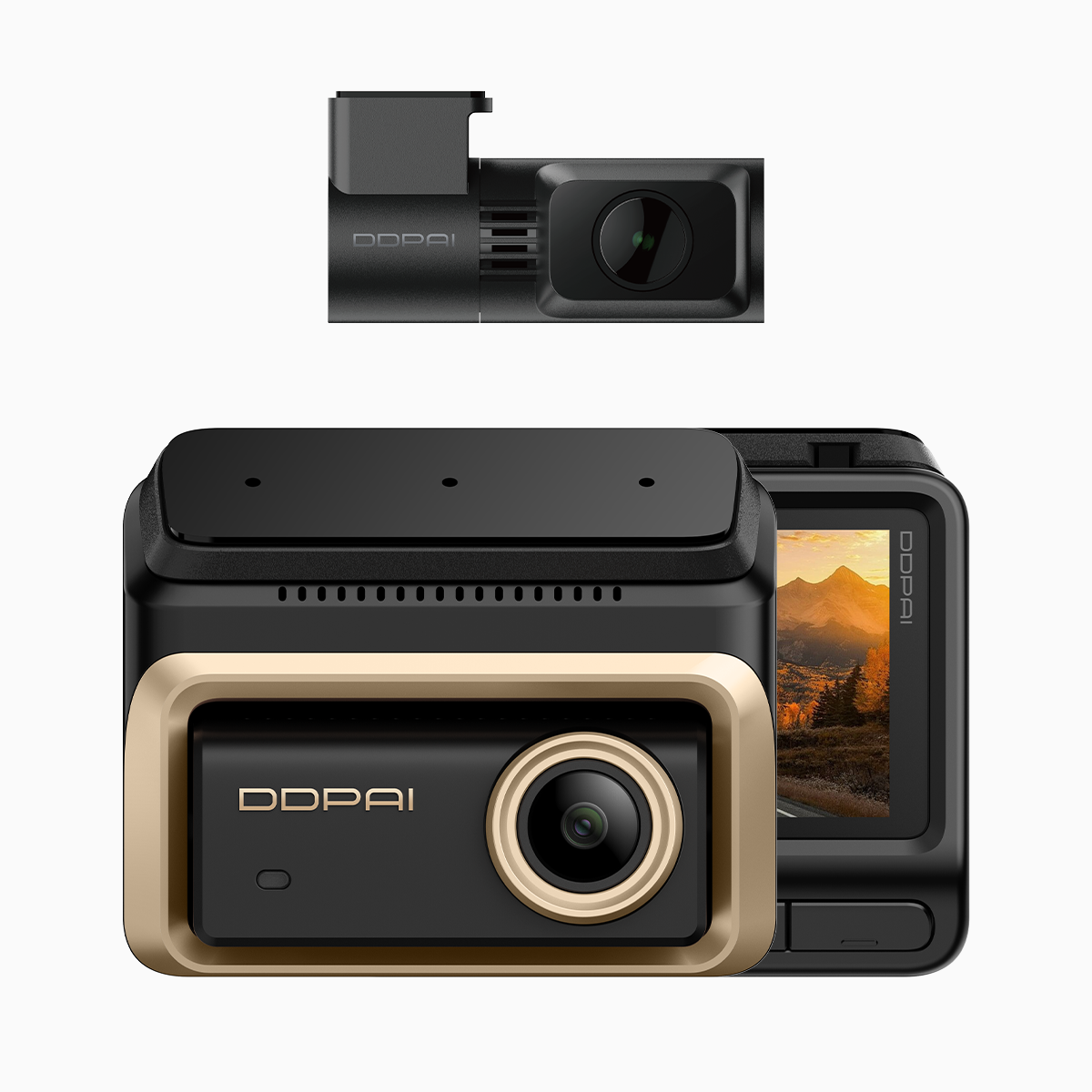
Traffic in Metro Manila is not an inconvenience—it’s a recurring public drama where the cast includes impatient motorists, distracted scooters, and the occasional turning tricycle that defies physics. For drivers who want reliable evidence rather than wishful memory, a proper dash cam matters. Enter devices like the 3 channel dash cam, which promise front, rear, and interior coverage with 4K resolution and parking mode to keep watch when you’re not in the driver’s seat.

Comparative snapshot: cheap cams vs. a competent setup
Low-cost single-lens units are fine if your ambition is limited to vague footage of license plates when conditions are perfect. The DDPAI Z90-style approach stacks front and rear sensors plus an interior-facing camera—offering true multi-angle coverage, WDR performance in harsh lighting, and sensitive G-sensor triggers that actually save clips on impact. The difference is concrete: one records blurry shapes, the other records a readable plate and a timestamp you can use at the insurance desk.
Real-world anchor: EDSA incidents and why parking mode matters
On EDSA, where fender-benders and illegal U-turns are routine, parking mode is not a luxury—it’s a claim-saving necessity. When a vehicle is bumped at 2 a.m. under a dim streetlight, a dash cam with motion detection and loop recording gives you the footage examiners need. This is not theoretical; drivers across Metro Manila depend on continuous parking surveillance to resolve disputes without weeks of hassle.
Where DDPAI scores—and where competitors still have a say
DDPAI’s systems generally deliver strong low-light footage, consistent loop recording, and easy data export. They also bundle useful firmware features: buffered recording for pre-event capture and configurable sensitivity for the G-sensor so you avoid drowning in false positives. Alternatives still compete on price and modularity—some third-party kits let you swap batteries or add a larger hardwire kit—but that usually costs you either image fidelity or dependable parking surveillance. Practical trade-offs, not hype, should guide your choice.
Common installation and usage mistakes made in the Philippines
Drivers often misplace the camera, angle it poorly, or neglect a proper hardwire so parking mode dies with the battery. Another mistake: using high-sensitivity motion triggers in a crowded area—this creates a mountain of useless clips. Calibrate the G-sensor and motion detection to local conditions. Also—clean the windshield. Smudges ruin otherwise excellent footage.
Alternatives worth considering
If you’re budget-conscious, look for a dual-channel unit with reliable night performance rather than an underpowered three-camera system. If fleet management or rideshare is your priority, interior-facing coverage with clear audio capture becomes as important as the front sensor. Each setup compromises somewhere: prioritize what you need—4K resolution for plate readability, parking mode for overnight coverage, or interior recording for passenger incidents.
Practical checklist before you buy
Make sure the system supports loop recording and an easy way to offload clips. Confirm that parking mode can be hardwired or run from a dedicated battery pack. Verify that the product’s mobile app handles fast playback and timestamp export. And if you operate in Manila’s grid—especially around busy corridors like EDSA—opt for a model with reliable low-light performance and solid build quality. Also consider a regional option optimized for local after-sales support, such as a 3 way dash cam philippines setup that bundles local warranty and service.
Golden rules when choosing a dash cam for Metro Manila (three metrics to trust)
1) Image usability: Prioritize readable plates and clear timestamps over megapixel bragging rights—this is the footage investigators use. 2) Parking mode reliability: Check battery drain figures and hardwire options; a camera that dies overnight is worse than no camera. 3) Event fidelity: Look for buffered pre-event recording and a sensible G-sensor to ensure collisions are captured end-to-end.
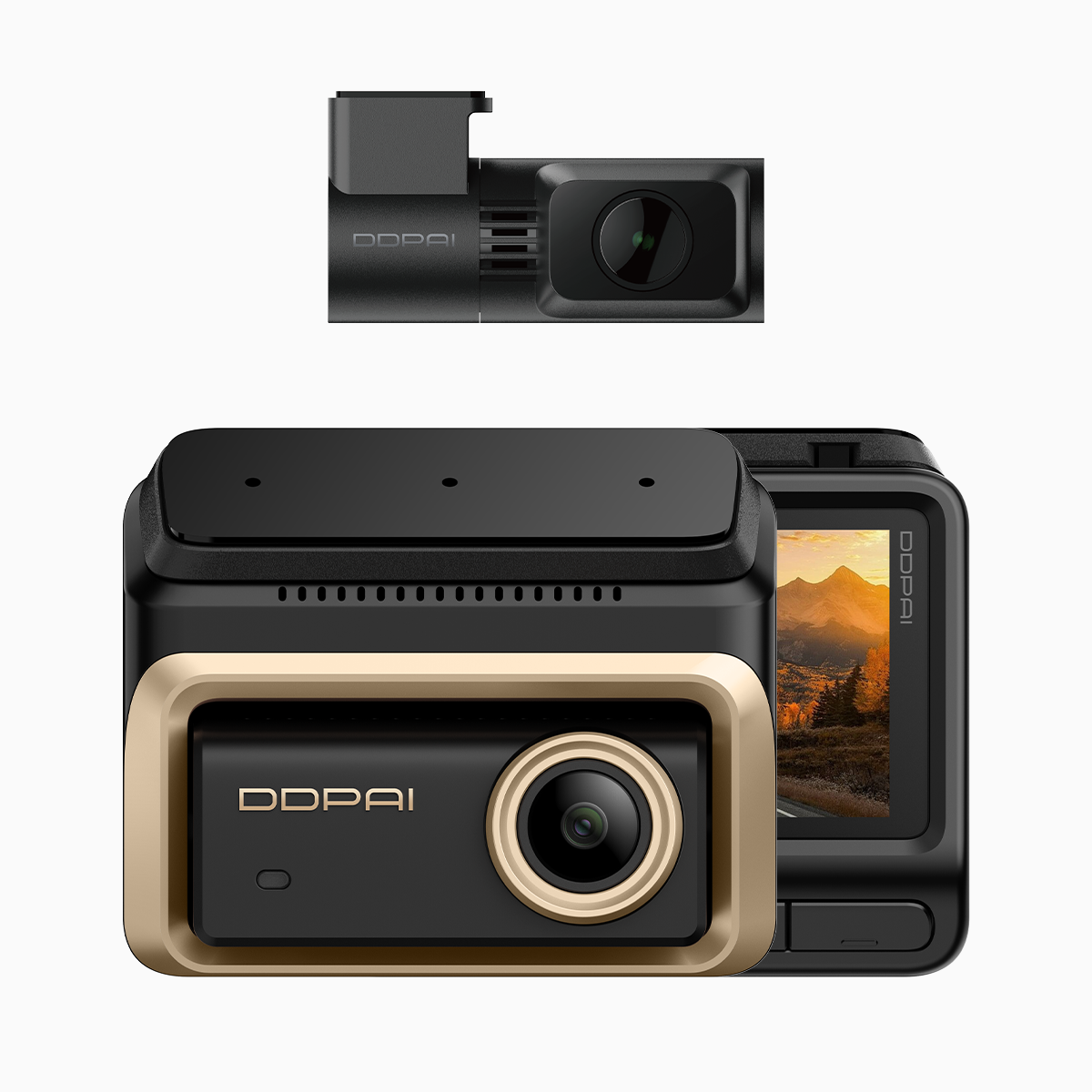
These metrics separate marketing fluff from practical value. If you follow them, you’ll end up with equipment that actually reduces hassle after a collision rather than creating more.
DDPAI Philippines fits into that practical lane—solid night performance, configurable parking surveillance, and local support that means less waiting at the claims counter. Final thought—small investment, big peace of mind.
