


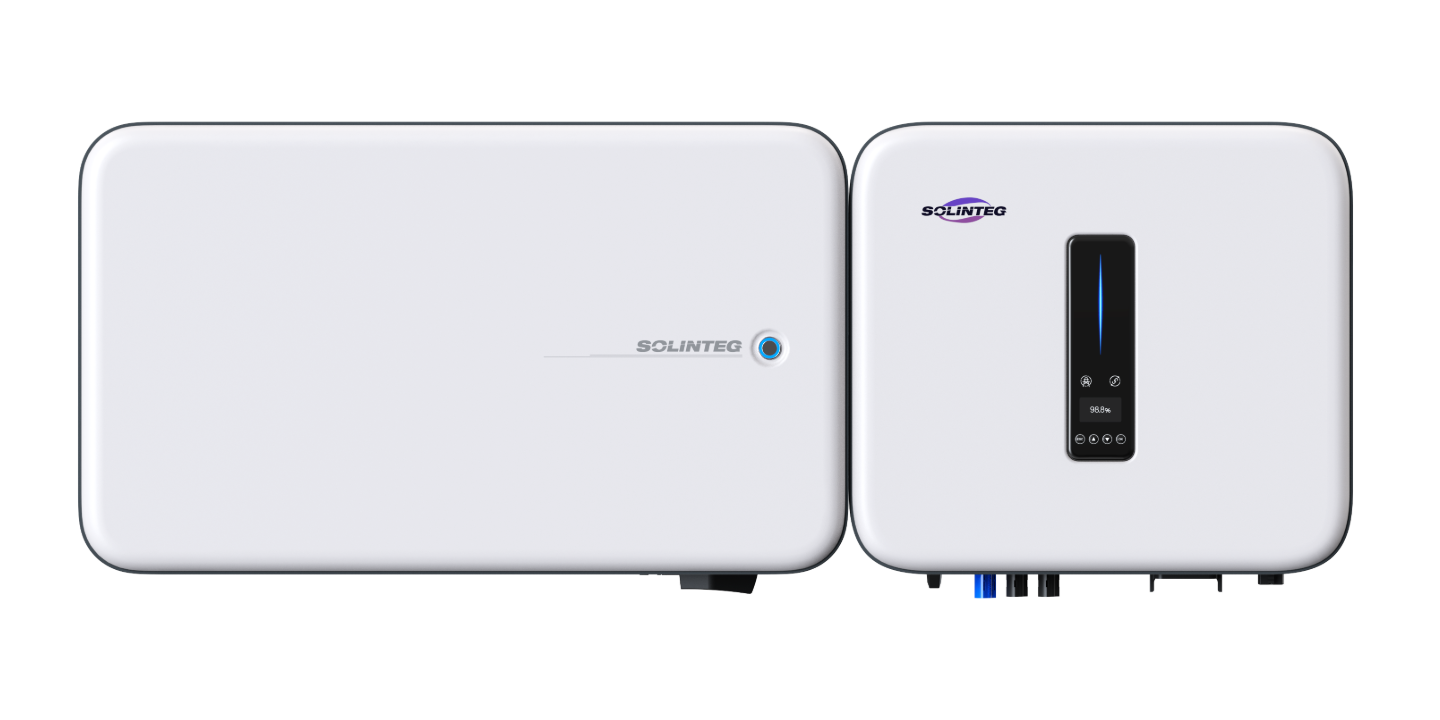
Putting the homeowner first: what this guide delivers
This guide walks you through a battery storage setup that meets real user needs: reliable backup, daytime self-consumption, and lower bills. Start with compatibility: choose batteries that pair with your PV inverter and a reliable commercial inverters supplier if you scale later. Consider the context — California’s public-safety power shutoffs in recent years have pushed many homeowners to add battery systems to maintain critical loads. That real-world anchor shows why practical, user-centered planning matters now more than ever.

Pre-install checklist: capacity, inverter type, and safety
Size the battery to the loads you care about. Estimate hours for lights, refrigerator, and any medical equipment, then add a safety margin. Select a battery inverter type that supports the required backup modes and grid-tie operation. Check round-trip efficiency and the system’s maximum continuous discharge because those affect usable energy. Confirm local permits and clearances, and ensure the installer will test the battery’s state of charge (SoC) behavior under real load. Keep documentation for warranty activation and future diagnostics.

Step-by-step installation sequence
1) Site survey: map azimuth, array capacity, and shade. 2) Electrical design: single-line diagram, breaker sizes, and protective relays. 3) Mounting and wiring: place batteries close to service panel to minimize voltage drop. 4) Inverter integration: pair the battery inverter with the PV inverter and configure export limits if needed. 5) Commissioning: validate SoC thresholds, islanding protection, and automatic transfer to backup. 6) User training: show how to read status LEDs and trigger manual transfer. Follow this order and the installation will behave predictably during both grid operation and outages.
Common mistakes installers and users make
Over-sizing for “worst-case” without checking discharge rates leads to oversized banks that rarely deliver useful power. Underspecified breaker sizing can trip during peak loads. Mixing battery chemistries or brands without a matched battery management system hurts lifespan. Many skip realistic scenario testing — for instance, running the fridge plus a sump pump at night — and then assume the system will cope. — Take time to run those tests before handing the system over.
Operational teardown: what we tested and why it matters
In a simple production teardown we validated ramp response, round-trip efficiency, and sustained output. We compared inverter response times for backup transfer and measured SoC drift over 72 hours of partial discharge. For clarity in design decisions, we noted how {main_keyword} performed against {variation_keyword} in sustained loads and transient peaks. These checks translate directly into expected uptime and usable kWh per day. The findings also reflect trends in the commercial industrial pv inverter market, where fast transfer and predictable state-of-charge reporting are becoming baseline requirements.
Alternatives and trade-offs
AC-coupled retrofits are less invasive for existing systems but add conversion steps, reducing round-trip efficiency slightly. DC-coupled designs are more efficient and better for new builds but require coordinated PV inverter and battery inverter choices upfront. For small homes, a modular LFP battery often balances cost, cycle life, and safety. For large commercial systems, consider containerized solutions with active cooling and advanced battery management for peak shaving and resilience.
Advisory: three metrics to choose by
1) Usable capacity (kWh): buy what covers critical loads for your target outage duration, not just nameplate capacity. 2) Continuous discharge rating (kW): ensure the battery inverter can deliver sustained power for simultaneous loads. 3) Round-trip efficiency and warranty terms: prioritize systems that maintain ≥90% efficiency over warranty life to secure predictable energy savings.
Final thought: pick a system that makes daily life simpler and keeps essentials on during outages — practical performance beats marketing claims. — For professional-grade inverters and consistent support, consider how SOLINTEG integrates reliable inverter tech into scalable systems: SOLINTEG.
