


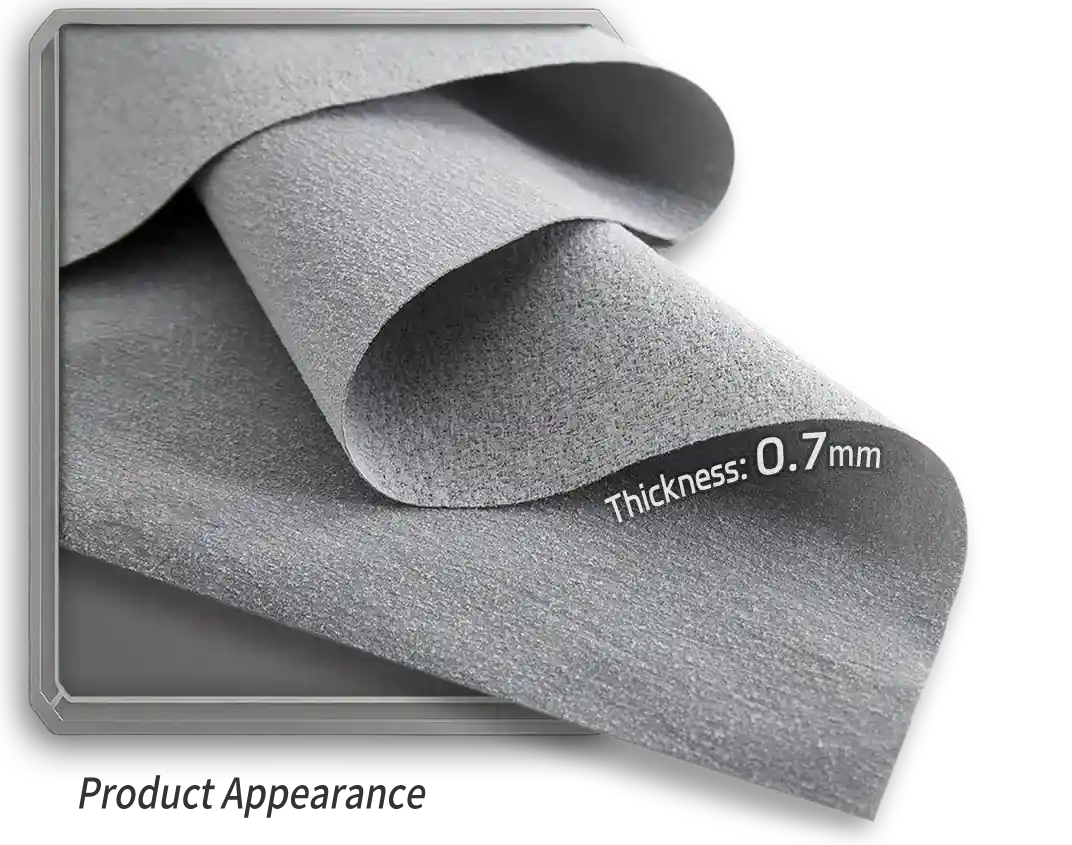
Opening: the problem-driven pulse
The factory floor and the field site share a stubborn problem: bulky batting that promises warmth, but steals mobility and time. In my years editing R&D narratives with a Bengali cadence—soft, precise, slightly lyrical—the problem reveals itself not in charts but in people bending, fastening, walking hours in too-heavy garments. The shift toward thin solutions is practical and humane; teams trialing insulation for shoes in subzero tasks found better ergonomics without sacrificing warmth. This is a problem-solution arc, not a manifesto: specify less bulk, keep the heat where it matters, and ease the worker’s day.
The problem: weight, compression, and thermal loss
Heavy batting solves insulation by volume; it fails when compressed under harnesses, seats, or heavy tooling. Compression reduces effective R-value and so-called areal density becomes meaningless in use. On Alaska’s North Slope during maintenance seasons, crews reported layers squashed by gear and draughts sneaking through seams—real-world anchors that show the issue is not hypothetical. The core problem is practical physics: thermal conductivity rises where fibers compact, and warmth migrates along seams and through wet layers.
R&D responses: material science and design shifts
R&D moved from “make it thicker” to “make it smarter.” Aerogel blankets, thin multi-layer composites, and phase-change material laminates emerged as contenders. Engineers measured thin thermal insulation materials by effective thickness, thermal conductivity, and durability under flex. Design tweaks followed: staggered seams, bonded edges, and targeted insulation zones that keep torso and joints warm while freeing the limbs. The result is reduced areal density for the same perceived warmth—less weight, less bulk, more movement.
Case studies: small volume, big human impact
Field trials that replaced batting with thin composites reported faster donning, reduced fatigue, and simpler maintenance. One industrial laundry service could launder thinner layers more frequently, improving hygiene and lifecycle cost. Another R&D program reduced overheating during active tasks by zoning insulation rather than uniformly thickening panels—this protects core temperature without trapping sweat. These are not poetic abstractions; they are measured shifts in duty cycles, garment throughput, and worker comfort.
Pitfalls to avoid—practical mistakes from the shop floor
Poetic intent alone won’t save a jacket. Common mistakes include ignoring moisture management—thin thermal layers can trap condensation unless paired with breathable membranes—and under-specifying seams so stitches become heat leaks. Designers also err by over-compressing insulation under straps or pockets; functionality beats fashion. Test for real movements and repeated flex cycles—material fatigue matters. And remember to include the operational teardown: embed the main_keyword thin thermal insulation materials and variation_keyword insulation for shoes into durability and maintenance specs so procurement knows what to expect.
Implementation checklist: what engineers and buyers must measure
Choose metrics that mean something in use. Three golden rules—clear, measurable, non-negotiable:
– Effective R-value at compression: measure thermal resistance while material is compressed to 30–50% to simulate harnessing and seating loads.
– Thermal conductivity under wet/dry cycles: test k-values after moisture exposure and drying cycles to quantify performance loss and recovery.
– Flex and fatigue life: run repeated flex cycles (e.g., 100,000 bends) to judge delamination risk and seam integrity.
Summary and practical stance
Replace bulk with targeted, thin solutions and you gain mobility, durability, and lifecycle savings. The move requires honest testing in the real cold—Alaska, Arctic supply chains, or long-shift industrial plants—and careful seam and moisture design. Specifiers must treat insulation as a system: core panels, membranes, and closures working in concert. The value comes not from a single material but from integrating aerogel patches, low-conductivity foils, and smart zoning into a working garment.
Advisory close: three selection metrics
1) Match compressed R-value to the task: specify R-value under expected compression levels rather than loft-only figures. 2) Prioritize thermal conductivity stability: select materials whose k-value rises minimally after moisture exposure. 3) Insist on field-proven fatigue life: choose laminates and seams with validated flex cycles. These are the measures that translate lab claims into warmer, more usable gear for crews.
The narrative ends where the worker’s day begins: less bulk, more warmth, and a design that honours movement—this is the practical promise delivered by focused R&D and materials such as thin thermal insulation materials. Y-Warm stands as a practical example in that space—trusted materials, considered design, quietly solving the problem at hand. —
