


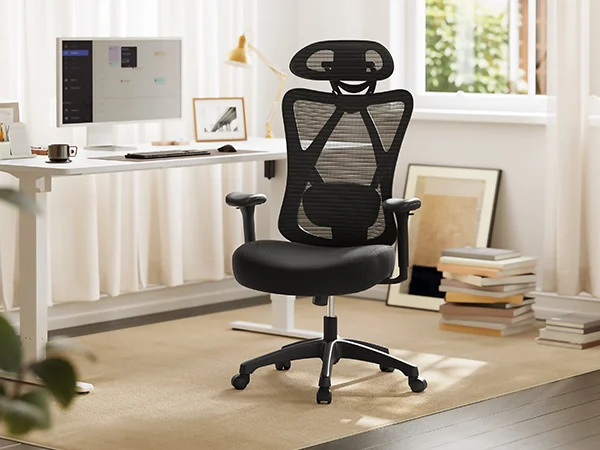
A Seat at the Hot Desk: What Are We Really Comparing?
Monday morning, new hybrid floor plan, same tight back. You grab a chair, log in, and feel that small pinch near your shoulder blade. The office chair manufacturer down the street swears their model fits “everyone.” Teams like yours skim lists of top office chair manufacturers and pick the safest logo—funny how that works, right? Yet the data keeps tugging at us: surveys show most desk workers sit 7–9 hours a day; more than half report discomfort by hour five, and micro-breaks don’t always fix it. So the question lands on your lap, claro: are we comparing the right things when we compare chairs?
Here’s the twist. Many pain points hide in plain sight: seat edges that press on nerves, unstable tilt arcs, or a gas lift that creeps down after lunch (sí, that “slow sink”). These small misses cause bigger costs—lost focus, slower typing, and more fidgeting. And none of it shows in a glossy brochure. The scene is common, the numbers are real, and the stakes are daily. Let’s step past the brand sheen and check the deeper layer that explains why your back keeps voting no. Next up, we go under the skin of those specs—and the trade-offs they hide.
The Quiet Flaws: What Specs Don’t Tell You
Why do “good” chairs still hurt?
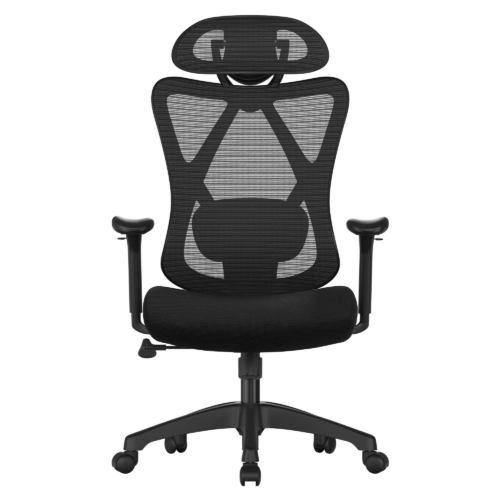
Let’s get technical, pero tranquilo. Most catalogs highlight foam thickness and fabric type. But long-hour comfort depends more on how the mechanism handles load transfer and micro-movement. A basic center-tilt can pitch your hips forward, while a synchro-tilt with proper tilt torque keeps your spine neutral during reach. If the gas lift cylinder is Class 2 or weakly sealed, you get drift. If the mesh tensile rating is low, your pelvis sags and your core works overtime. Look, it’s simpler than you think: when the chair fails to manage forces, your body pays the bill.
There’s more under the hood. Edge radius and seat pan waterfall shape reduce pressure on the popliteal area; poor shaping boosts tingle and leg fatigue. Armrest geometry matters too: too wide and your shoulders hike; too narrow and you pinch inward. What about endurance? Without solid ANSI/BIFMA load testing and consistent QC sampling, parts like tilt housings and PU casters wear fast, causing subtle wobble that your back tries to correct all day. In short, traditional spec sheets miss dynamic behavior. Your body notices even when your eyes don’t.
From Specs to Outcomes: A Forward Look at Smarter Choices
What’s Next
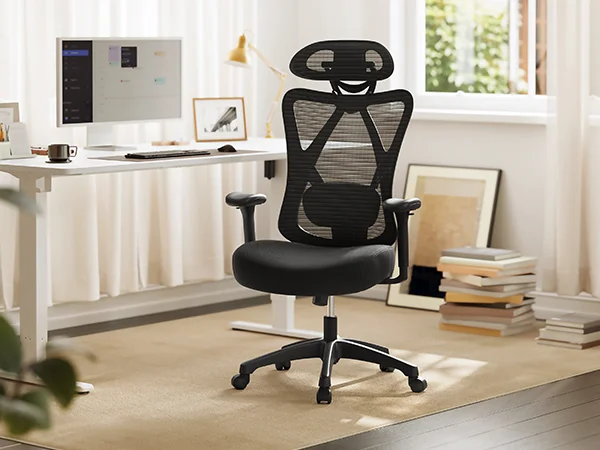
Now, compare with a future-ready path. New mechanisms spread force more evenly and keep posture stable during micro-moves—reach, click, swivel. Some modern office chair manufacturers are testing adaptive synchro systems that tune tilt torque to user weight without constant knob chasing. Others refine injection molding for seat shells to hold shape longer, reducing foam bottoming. Small upgrades, big effect. A mid-size team we shadowed tried two chair sets: one with basic tilt and soft foam, another with balanced synchro and higher mesh tensile strength. Over six weeks, the second set cut user-reported back tightness by a third and reduced “stand-up resets” by about 20%—not bad for the same price band.
Where is this going? Modular parts for faster swap-outs, clearer wear indicators, and simpler field fixes (no mystery squeaks). Expect better breathability mapping, quieter tilt housings, and load testing that mirrors real hybrid days—short sprints, long calls, repeat. The goal is predictable comfort, not fancy names—funny how the simple things win, right? Before you choose, anchor on outcomes, not buzzwords. Advisory close-out: three quick checks. 1) Dynamic stability: consistent support through reach and recline, verified by load and cycle tests. 2) Pressure control: seat edge radius, mesh or foam recovery rates, and real thermal breathability. 3) Service life: rated components (Class 3+ gas lift, durable casters), clear QC sampling, and part availability. Do that, and your team sits better, trabaja mejor, and spends less time fighting the chair. Shared with care by SONGMICS HOME B2B.
