

Introduction: Night, Pulse, and the Question of Control
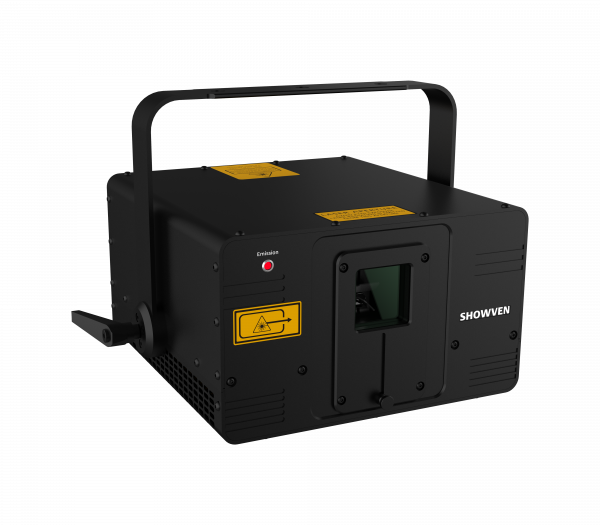
A door opens at midnight, and the floor breathes as if it remembers the last chorus. DJ laser light cuts the room into paths of color and intent, tracing arcs where hands rise like sails. Most venues now report high adoption of laser rigs; in some surveys, over two-thirds lean on programmable shows, DJ lasers, and tight timing to hold the crowd. Yet numbers alone do not tell us if the glow obeys the beat or if the beat obeys the glow. Galvo scanners chase cues; beam divergence is tuned; DMX mapping stacks scenes on scenes (sometimes too many). Safety interlock sits quiet until it must shout. The room asks for precision, and the crowd asks for wonder. We count channels, we measure delay, we watch the haze settle—and still we ask: is control the same as connection?
Here, we take a step beyond the obvious and read the light like a score. We compare not only tools, but trade-offs. Then we learn why small failures feel large to a dancer at 02:13. Onward to the frictions we rarely name.
Deeper Layer: The Hidden Friction Behind the Flash
Where do the cracks appear?
Technical view first. Traditional rigs lean on chained DMX universes, older ILDA protocol habits, and a patchwork of power converters that feed diode arrays. Each piece works on paper. In the booth, small delays stack. A 30 ms galvo overshoot here, a mis-tuned cooling loop there, and beam alignment drifts just when the drop hits. Operators juggle cue lists while latency creeps across edge nodes in the network. Look, it’s simpler than you think: the math adds up, but the body notices the lag before the eye finds it. Duty cycles strain when scenes stay white and wide for too long; scanners heat; safety interlock trips when fog spikes. The crowd feels it as a breath held too long—then a release that comes late.
User pain hides in plain sight. Touring DJs inherit venue profiles with guesswork baked in. Patch names mismatch fixtures, DMX maps get stale, and auto-saved scenes sit one layer deep from disaster. Some rigs “snap” instead of glide because PWM drivers step where curves should live. When the operator shifts from 120 to 126 BPM, cues miss the grid by a hair. That hair is a mood. And when beam paths clip a mirror line by a degree, reflections wash the booth—funny how that works, right? Small flaws break immersion; the brain keeps dancing, but the heart hesitates. The fix is not more presets. It is better timing guarantees and fewer places to hide delay.
Comparative Outlook: Algorithms, Not Just Faders
What’s Next
Now a forward look. Old-school shows stack scenes; modern systems model motion. Instead of pushing faders, operators shape constraints: beam limits, BPM windows, color spaces, and safety zones. Control software uses predictive curves and FPGA timing to sync galvos at sub-frame resolution. Edge computing nodes near the stage handle phase-locked cues, so transport jitter from the booth cannot spoil a drop. In practice, new engines compare beat grids in real time, then adjust scan velocity before the ear senses drift. With disco lasers running calibrated beam shaping, divergence adapts as the room fills with haze—so brightness feels even, not harsh. Old rigs reacted. New rigs anticipate.
This is not theory alone. Clubs that moved from static ILDA playlists to adaptive cue logic report smoother ramp-ins and fewer safety trips. Operators set soft limits, not hard steps, and the system negotiates transitions under load. Cooling maps tie into thermal sensors; the show avoids scanner corners that heat the bearings. The result is a floor that breathes with the DJ, not behind the DJ. We learned that small delays stack; now we learn that small predictions unstack them. The future reads like this: less menu-diving, more intent; fewer universes, more bandwidth where it counts—on timing.
Choosing Smart: Three Metrics That Matter
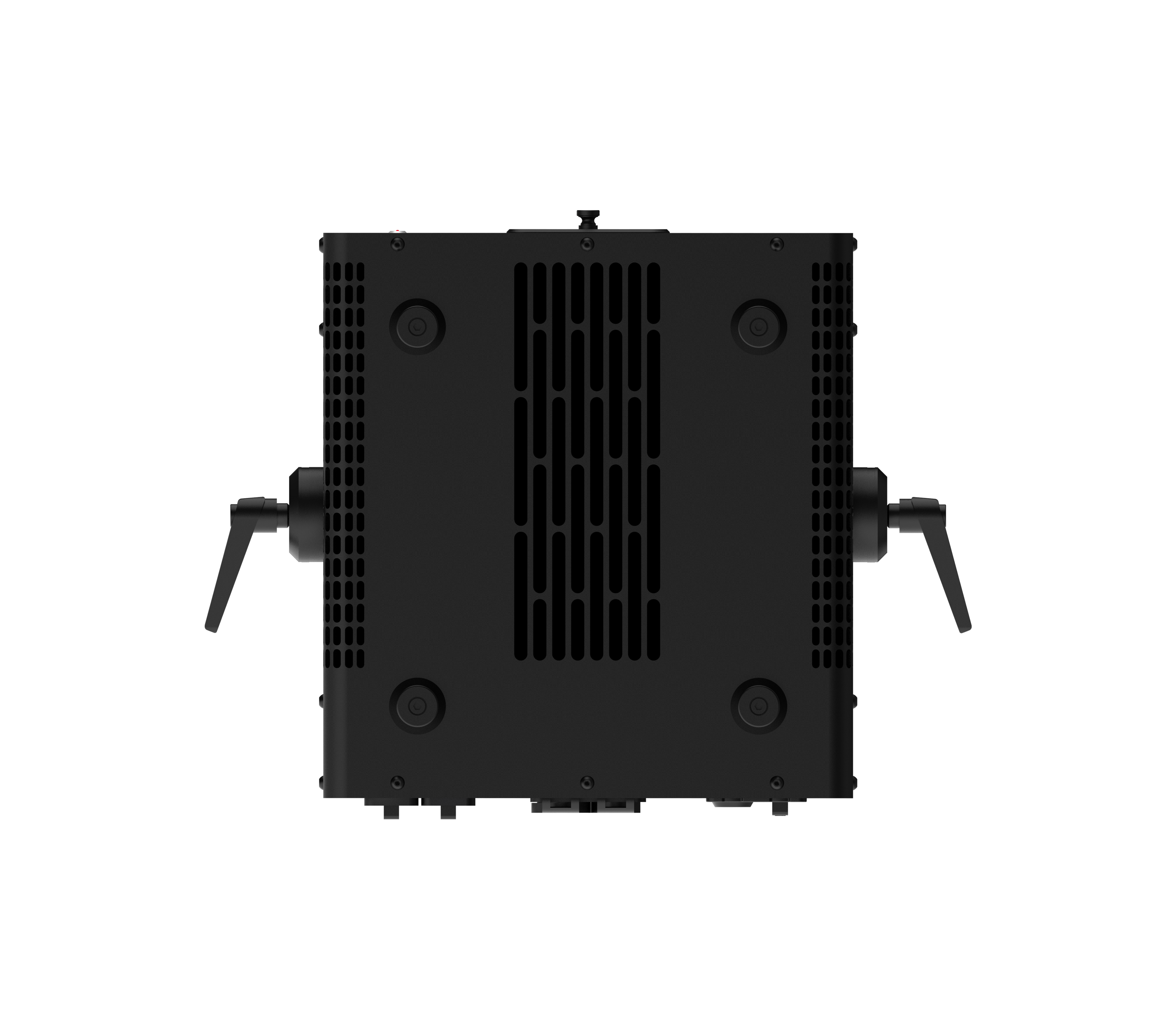
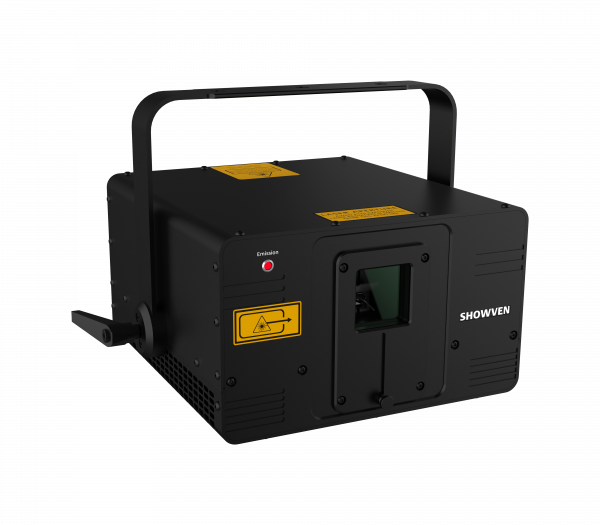
To evaluate solutions with clear eyes, use three checks. First, timing fidelity: measure end-to-end latency under load, including network hops, cue parsing, and scanner response; demand sub-frame sync and stable phase lock. Second, safety integration: verify dynamic zone mapping, fast safety interlock response, and logged overrides tied to real thermal data, not guesses. Third, optical quality at scale: test beam divergence and color linearity across haze levels, confirm galvo tracking at high angles, and watch for noise from PWM drivers in dark scenes. If a system passes these three, the rest is taste and craft. And that is where you make it your own, with care and light, and a name you can call when night needs order: Showven Laser.
