

Lighting the Night: A Field Test Mindset for Buying Better
Here’s the bold truth: the best city shows now battle daylight-level brightness at night. The right outdoor laser projector manufacturer can make that fight feel easy—or costly. Picture a riverfront show where wind shifts, mist rises, and crowds come early. The planner counts down. A timer blinks. The beam must punch through haze and still draw clean, safe lines on a tower 300 meters away. Data backs the stakes: municipal events report uptime targets above 99% and weather exposure in 60% of show days. So, what separates a show that thrills from one that scrambles?
We compare makers by how they handle real friction: heat, rain, cable runs, and last-minute cues. We look at how optical engines hold alignment. We ask how fast the control stack recovers after a drop. And we care about the human side—setup hours, truck space, and power budgets (because generators have limits). This isn’t about spec sheets alone—funny how that works, right? It’s about how gear behaves outside, over weeks, not minutes. Ready to see where the gaps hide and how to judge them with confidence? Let’s head into the shadows and flip the lights on.
The Hidden Friction Inside a “Simple” Outdoor Rig
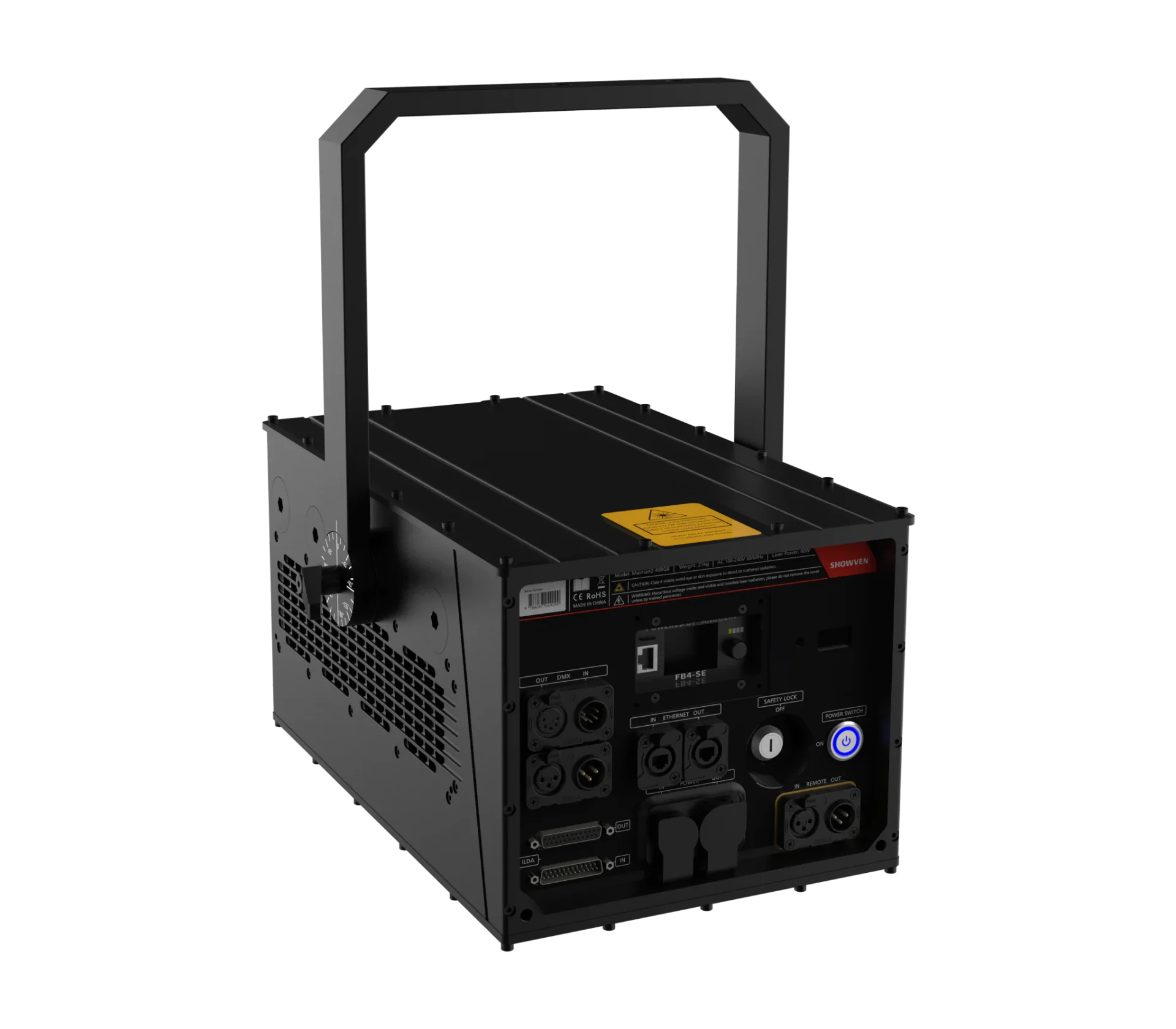
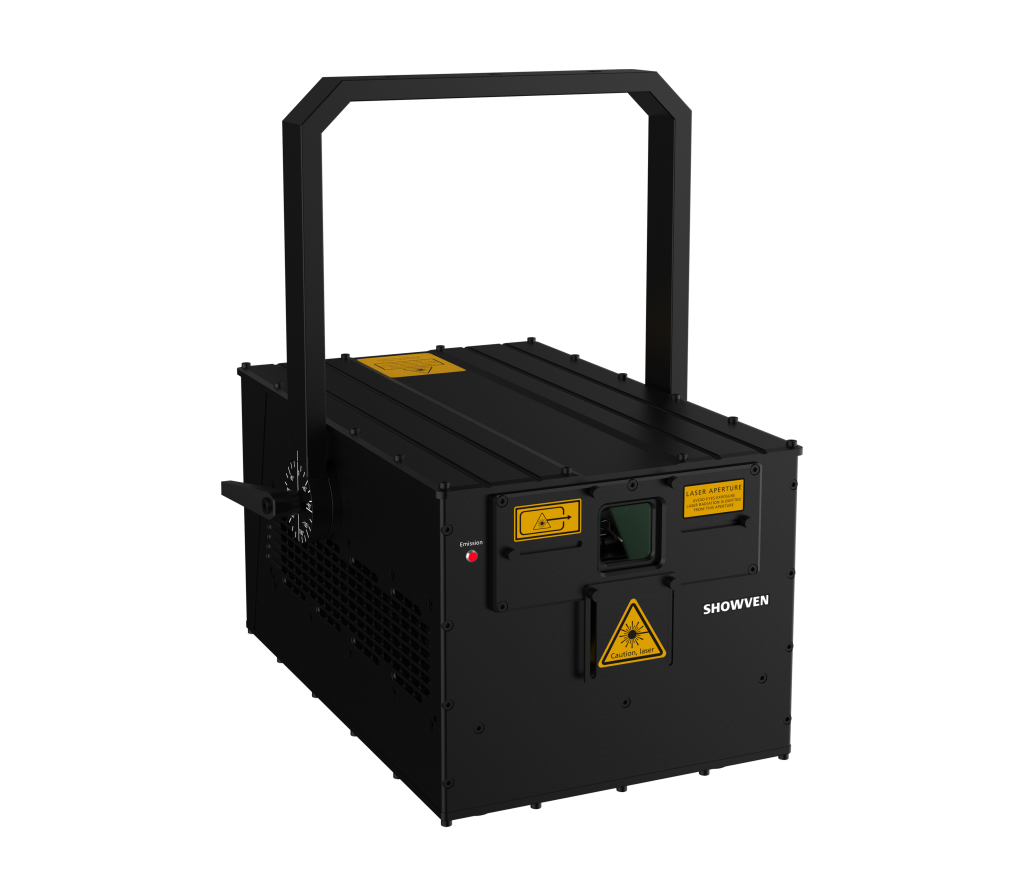
Look, it’s simpler than you think—and also not. Many teams expect a plug-and-play box to solve weather, power, and safety in one go. In practice, outdoor laser projectors live hard lives. Dust sneaks in. Moisture tests the seals. Thermal loads climb during long cues. Traditional housings rely on basic fans, so heat builds, optics drift, and output dips. You see it as fuzzy edges or uneven color at distance. Beam divergence creeps up. Galvanometer scanners lose crisp corners at speed. And when a power converter hiccups under a generator’s sag, control can lag. That delay ruins sync with audio and drones, even when DMX512 timing looks fine on paper.
What do users really battle at night?
Here are the pain points crews whisper about: first, IP ratings that look strong but fail after months of UV and salt air; IP65 needs more than gaskets—it needs matched materials and pressure relief. Second, thermal throttling that hides under a “stable” brightness claim. You feel it in July more than in March—output holds for 10 minutes, then drops. Third, network control fragility. Art-Net and sACN are great, but unmanaged switches and long fiber runs add jitter. The fix is end-to-end clocking and health checks at the edge, not just a master console. Safety interlocks matter too; if access doors open, you want a clean, logged cut, not a mystery blackout. These frictions steal operator time. They also drain budget through extra lifts, spare optics, and emergency scans—funny how that works, right?
Tomorrow’s Playbook: Principles That Change Outdoor Results
To compare makers, look past raw wattage. Study how they bake in resilience. New optical paths use sealed modules with hydrophobic coatings, so dust wipes off and haze won’t cling. Adaptive thermal design matters more than big fans. Heat pipes, phase-change plates, and smart PWM curves keep diodes steady under stress. That keeps color balance locked and beam divergence tight. On the control side, self-check firmware can probe galvanometer drift and flag it before showtime. Edge computing nodes at fixtures can buffer cues, so one network burp won’t break a finale. When you spec outdoor projector laser lights, ask how they validate IP seals after service, how they log faults, and how they recover from brownouts. Small answers forecast big nights.
What’s Next
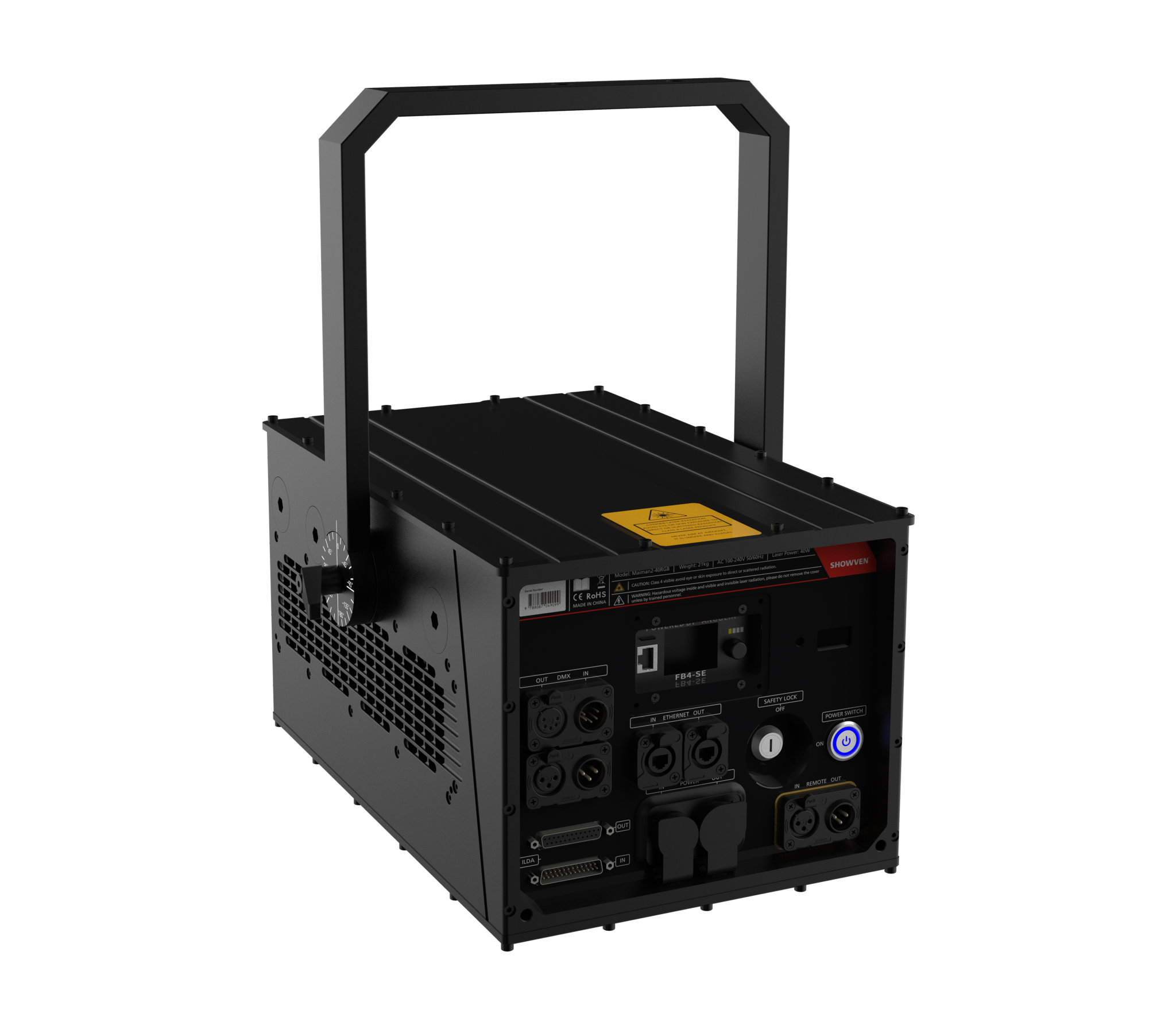
We also see a shift from “bigger laser” to “smarter system.” Coordinated arrays let lower-power heads paint wider canvases with safer irradiance—good for tight venues and city rules. Camera feedback can guide beam shaping in wind, holding lines steady on moving mist. Native Art-Net and timecode with priority failover cut surprise fades. And yes, better power design matters: wide-range power supplies and surge protection tame rough generators. Summing up, the winners blend weatherproofing, thermal control, and verifiable safety. The lesson is simple: test for the long show, not the short demo. To choose well, track three metrics: 1) sustained brightness stability at 30, 60, and 120 minutes; 2) environmental integrity after repeated wet-dry and hot-cold cycles; 3) control resilience—latency and recovery under packet loss. Keep those in your kit, and your nights will run cleaner. For deeper specs and engineering insight, see Showven Laser.
