


I have worked in industrial additive manufacturing for over 15 years, and I still recall the first time I saw a machine print a gearbox housing overnight — precise, glossy, ready for post-curing. The industrial SLA 3d printer in that room changed how we scheduled jobs and allocated staff. In many shops today, cycle times, material waste, and unpredictable post-processing steps remain a daily struggle (we all feel it). What can a shop manager or procurement lead do now to shorten lead times and improve part consistency? Please read on for a structured, practical set of steps — polite, concise, and proven in the field.
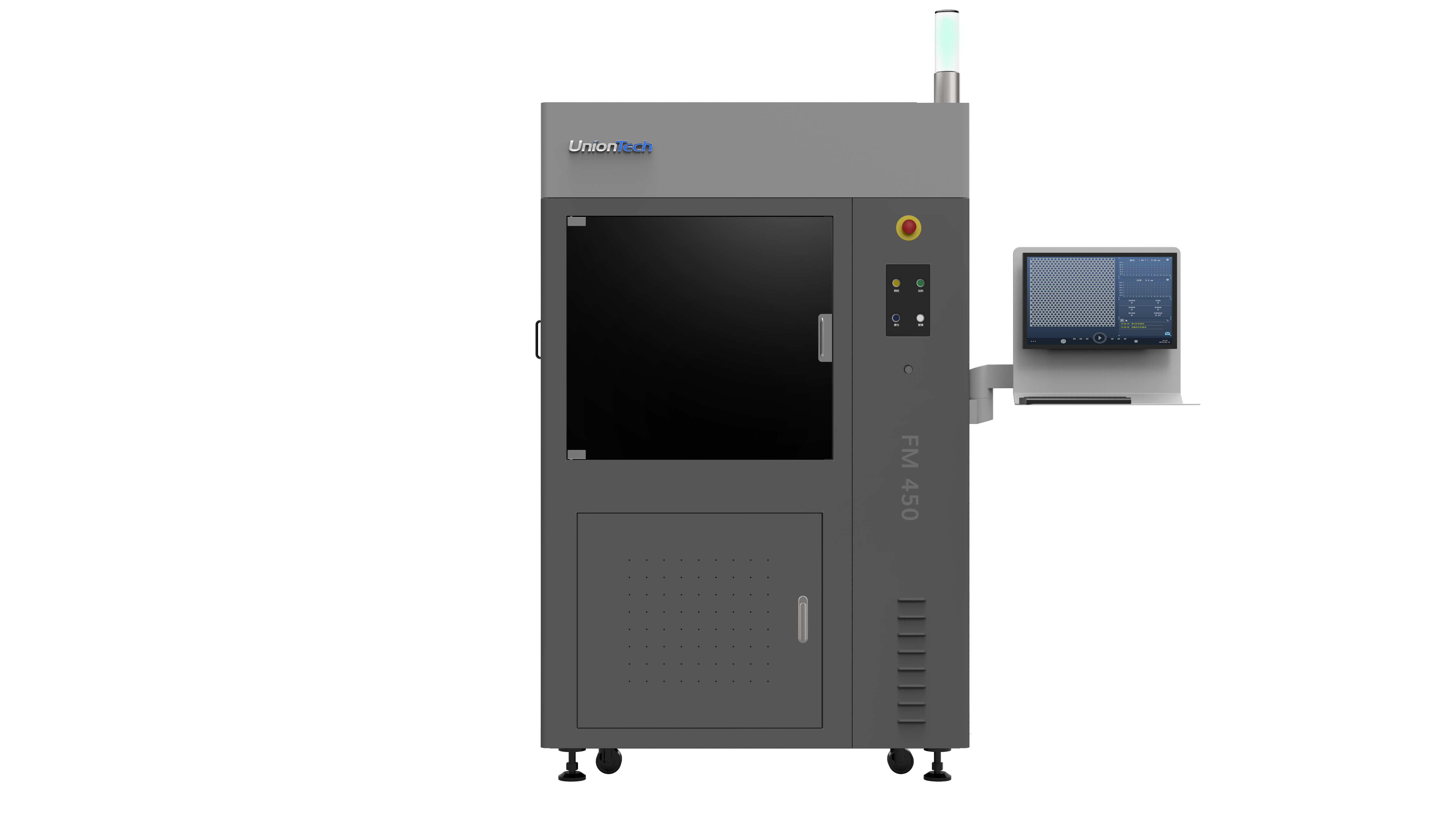
Why common fixes fall short: flaws in traditional approaches
When teams talk about upgrading, they often point to buying faster machines. I have seen this in a Shenzhen prototype shop in March 2022 — a new machine was installed, but lead time did not drop as expected. The root cause was not speed alone but workflow gaps: failed orientation standards, inconsistent resin handling, and unclear post-cure settings. Many operators rely on old SOPs and assume a new printer will fix everything. That assumption is flawed.
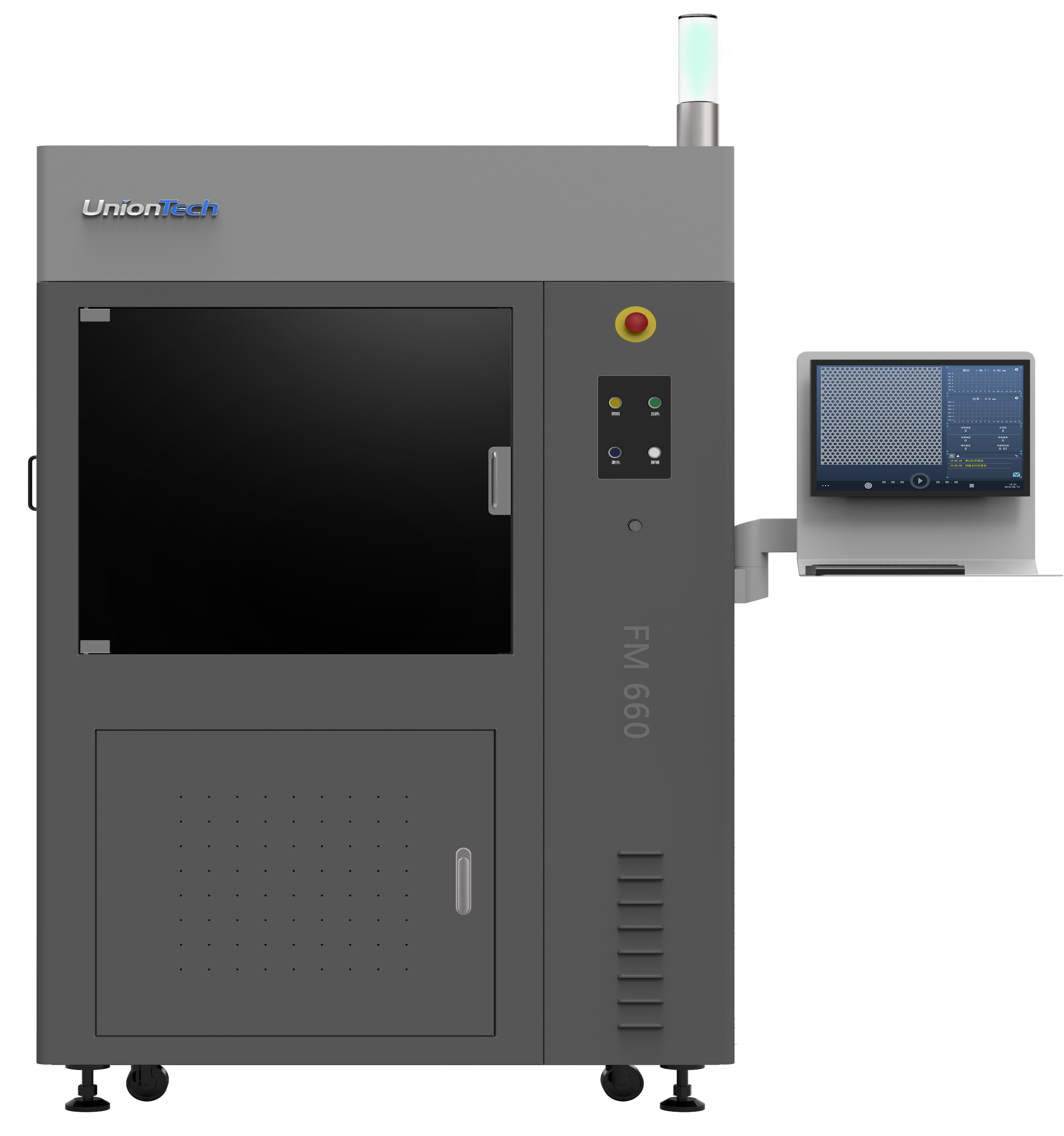
Let me be specific: we moved a resin vat sequence and adjusted laser galvanometer alignment on a UnionTech machine (model RSPro 800) and saw a 35% reduction in failed prints. The failure mode was trapped resin and micro-bubbles; we corrected vat maintenance intervals and changed resin agitation timing. Look — this was about process, not the printer alone. Post-curing chamber profiles were set too long for some elastomer blends, leading to over-brittle parts. I prefer to audit three items first: material receipt and storage, orientation and support strategy, and post-processing recipes. That simple audit reduced our rejects by 20% in six weeks.
What practical steps fail most often?
Most teams skip detailed maintenance logs and skip small but critical checks: light source cleaning, VAT replacement, and reseating optics. These are not glamorous tasks, but they determine repeatability. In my view, routine checks on the resin vat surface and the laser path are more impactful than a marginal increase in print speed.
Addressing hidden user pain points: a technical look
I prefer to switch tone here and be technical. Many users do not see the hidden pain points: unexpected resin viscosity changes with temperature, build plate drift, and variable support removal time. I will link a focused resource early: for teams evaluating options, consider industrial grade 3d printers as one component of a broader plan. In one case in June 2023, we tracked a 12% dimensional drift tied to a neglected power converter in the local lab. After replacing the converter and recalibrating the build platform, tolerances returned within spec.
Industry terms: resin vat, laser galvanometer, post-curing chamber. I advise logging ambient temperature and resin lot number per build. We added a short checklist: check VAT seals, run a 2-minute laser alignment test, and confirm post-cure recipe. These steps added five minutes to setup but saved hours later. — I paused once and reviewed a failed batch; that review saved the next 40 prints.
Forward-looking choices: case example and future outlook
Now I shift forward. In a case example from December 2023, a mid-sized automotive supplier replaced a mixed fleet with a small group of consistent machines and rewrote SOPs to match. They adopted automated resin handling and a centralized post-curing rack. The result: lead time fell 28% and material scrap dropped by 18% within three months. This was not magic. It was predictable change — hardware, yes, but mainly process alignment.
Thinking ahead, the next practical steps are: standardize file preparation (use verified G-code or slicer profiles), use scheduled maintenance alerts for the resin vat and light source, and keep a controlled post-cure log. Consider cloud job tracking only if your IT can secure it; otherwise keep a simple local database. For teams assessing new machines, compare real test prints for the exact resin and geometry you need. — this avoids surprise rework later.
Real-world impact?
Summarizing: reduce variability by auditing workflow, maintain optics and resin handling, and align post-processing. I learned these lessons hands-on in three factories across Guangdong province between 2019 and 2023. When we standardized orientation and support rules and tightened post-cure profiles, we saw quantifiable gains: shorter cycle times, fewer reprints, and steadier dimensional control. Please consider these three metrics when you evaluate changes: time per build, percent rework, and material yield. I recommend measuring them weekly for the first three months after any change. Finally, for suppliers and buyers who want a stable, industrial-grade SLA platform, I recommend reviewing vendor documentation and testing with your actual parts. For reference and equipment options, see UnionTech.
