


The Stakes: Lighting Choices Compared in the Real World
Lighting can hard-carry or hard-throw your space. Say you’re spinning up a new lobby, pop-up café, or esports corner. Your decorative light supplier is about to decide mood, uptime, and power draw for years. Studies and case logs show lighting can shift perceived quality by double digits, and smart controls can cut energy by 20–40% when tuned right. So here’s the question: are you buying fixtures, or are you buying a system that keeps pace with you?
Picture a tight deadline, mixed ceiling heights, and fussy finishes. You need consistent lumen output, safe heat levels, and clean dimming. You also need parts that won’t glitch when the venue is packed and hot. Data says misfits often show up at install, not on paper. That’s when projects stall and budgets cry. And yet, teams still shop on photos and price—funny how that works, right? The real win is comparing how vendors handle control protocols, thermal management, and aftercare. Let’s break it down and map what matters next.

The Deeper Problem: Why Custom Isn’t Always Simple
Where do “traditional fixes” break?
The buzz around bespoke lighting companies sounds great—until you hit the hidden friction. Custom means many handoffs: designer to engineer, engineer to factory, factory to site. In those hops, specs drift. Dimming curves jitter. Power converters get packed too tight for airflow. You get pretty fixtures that choke under real heat, or flicker when paired with legacy dimmers. Look, it’s simpler than you think: most pain points come from integration, not style. If the vendor can’t map CRI targets, lumen maintenance, and DMX control into one bill of materials, you inherit risk on day one.
Another trap is lead-time roulette. If the finish sample is from Run A, but your batch ships from Run C, color variance creeps in. Then you’re stuck on ladders matching tones with tape and prayers. Installers also face IP rating confusion for semi-outdoor zones, or drivers placed far from fixtures that cause voltage drop. Edge cases? Not really. This is Tuesday. A smart supplier pre-models voltage drop, thermal headroom, and control channel counts before you cut POs. Bonus points if they simulate cable runs and load on circuits. Double bonus if they document failure modes—because every site throws curveballs.
Forward-Looking: New Tech Principles and Real-World Payoffs
What’s Next
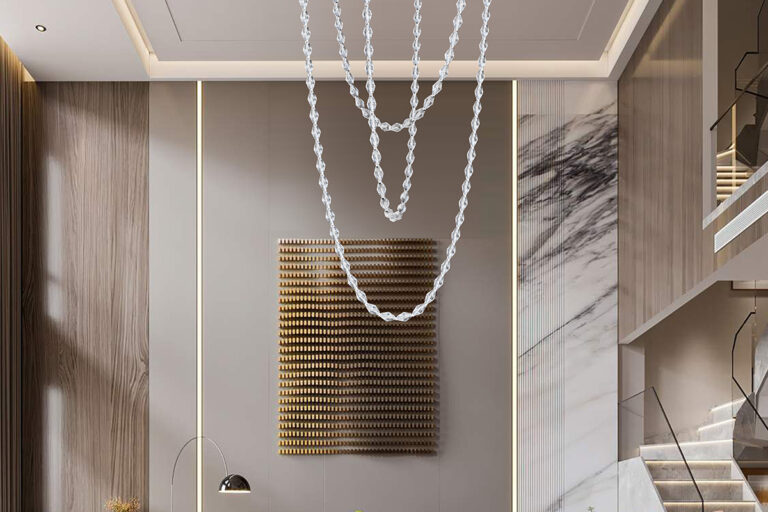
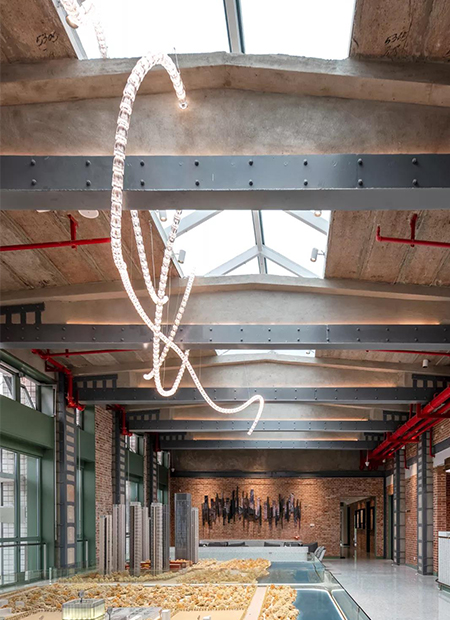
Here’s the shift: treat lighting like a modular platform, not a one-off build. Newer stacks use swappable driver modules, wireless RDM/DMX for fine-tuning, and small edge computing nodes for local logic. Pair that with digital commissioning, and your fixtures arrive tagged with profiles that slot into scenes fast. Even better, predictive thermal management can downshift output gracefully instead of cooking boards. When you compare lines of decorative pendant lighting , ask if the family shares common drivers and brackets. If yes, your maintenance and upgrades get cheaper. If not, you’re locked into bespoke parts forever—funny how lock-in hides behind pretty shades.
This isn’t hype. Standardized optics, verified dimming curves, and documented EMI behavior de-risk busy sites. A supplier that validates CRI and R9 across batches and publishes tolerance bands helps you avoid weird skin tones and uneven tables. Semi-formal test workflows—think thermal soak, surge testing, and in-field readdressing—pay off during peak seasons. The comparative edge goes to teams who plan for rerouting and space churn. You get smooth installs, fewer callbacks, and a system that can pivot with your brand story. Different spaces, same backbone. That’s the future-facing play.
How to Choose Without Guessing
We covered the friction points and the upgrade path. Now, keep your pick grounded with three metrics you can measure. 1) Integration score: prove dimming and protocol fit (DMX/RDM, DALI) with a pilot rack and log flicker and ramp smoothness. 2) Thermal and power budget: demand heat maps, driver specs, and voltage-drop calcs for your longest runs. 3) Lifecycle clarity: request batch-level CRI data, part interchangeability, and a swap plan for five years of maintenance. If a vendor can’t show this in writing, they’re not ready for real-world loads. Stay sharp, keep it simple, and build for change with kinglong.
