


Introduction
Have you ever wondered why two seemingly identical lines produce wipes with different levels of consistency?
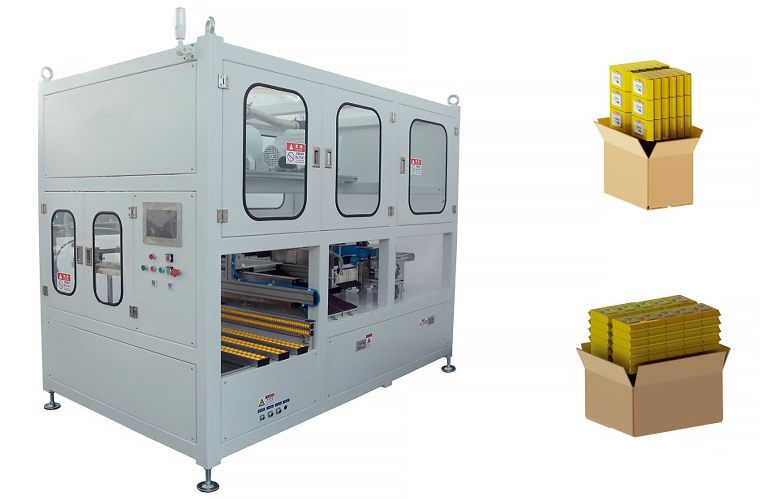
As a wet wipes machine manufacturer I see this question daily — production managers call me with data, sterile-pack percentages, and a stack of inconsistent samples. In clinical and consumer settings, small deviations in moisture, weight, or fold can raise contamination risk or lead to product waste (bioburden control matters). Industry studies show variation rates of 3–8% across small plants; that gap costs money and trust. So: what really causes the variance, and how do we pick between fixes? I’ll walk through the scenario, point to the data, and pose the key operational questions that follow. — Let’s move into the real technical issues next.

Core Problems and Hidden Pain Points
pet wipes are a great example product to test line stability; they expose weaknesses quickly because of thicker substrates and variable lotion loads. I’ve inspected lines where a simple tension mismatch or poor nozzle calibration turned into rejects by the thousands. Technically speaking, the common fail points are nozzle calibration drift, inconsistent tension control, and aging servo motors that lose micro-positioning precision. These faults show up as edge wrinkles, uneven lotion distribution, or misaligned folding — all measurable and, frankly, avoidable.
I’ll be blunt: many traditional fixes treat symptoms, not causes. Teams often increase machine speed to hit targets, then chase defects with more inspection. That’s backward. A modern approach requires stable PLC logic, scheduled preventive checks, and better operator feedback loops. Look, it’s simpler than you think when you strip away the noise: fix control systems, tune sensors, and standardize changeover procedures. For example, replacing a worn rotary die cutter or improving tension control reduced variation by half in one plant I visited — and the ROI showed in weeks, not months. (Funny how that works, right?)
Why do these flaws persist?
Because production pressure beats preventive care if leaders don’t prioritize maintenance and training. I’ve seen that pattern enough to say it plainly.
New Principles and a Forward Look
What’s next? I favor applying new technology principles that integrate simple automation with smarter sensing. For wet wipes — especially products like pet wipes — the practical gains come from layering improved sensors, basic edge computing nodes, and better human–machine interfaces. We can, for instance, pair real-time moisture sensors with closed-loop servo adjustments so the machine self-corrects minor drifts before they become defects. That reduces scrap and keeps quality steady. I want to emphasize: you don’t need a complete overhaul to get benefit; phased upgrades work.
Here’s a case-style view: install in-line moisture probes and connect them to the PLC. The PLC adjusts feed rates and lotion pump output within tight bands. We saw one mid-size plant cut rejects by 60% after this change. It required modest investment in power converters for consistent pump drive and a short operator training program. The outcome was fewer manual checks, higher uptime, and happier line staff — which matters. — I still recall the plant manager’s relief when the overnight rejects dropped to near zero; that moment convinced everyone this approach pays.
What’s Next — Practical Steps
Let me sum up with three concrete evaluation metrics you can use when choosing solutions: first, measurement sensitivity (can the sensor detect small moisture shifts?); second, control latency (does the PLC adjust quickly enough?); third, maintainability (are spare parts and clear procedures available?). I recommend scoring options against these metrics before buying. Weigh them, test in a short pilot, and then scale. If you want a vendor who understands both control systems and product hygiene, consider partners that combine field service with engineering support.
In closing, I’ve walked you from the symptom (variation) to the cause (control and maintenance), and then to practical, forward-looking fixes. These are measures I trust because I’ve implemented them myself. For a reliable partner in this work, I point professionals toward ZLINK — they’ve been active in this niche and, I believe, get the real problems we face on the floor.
