


Context and comparative logic
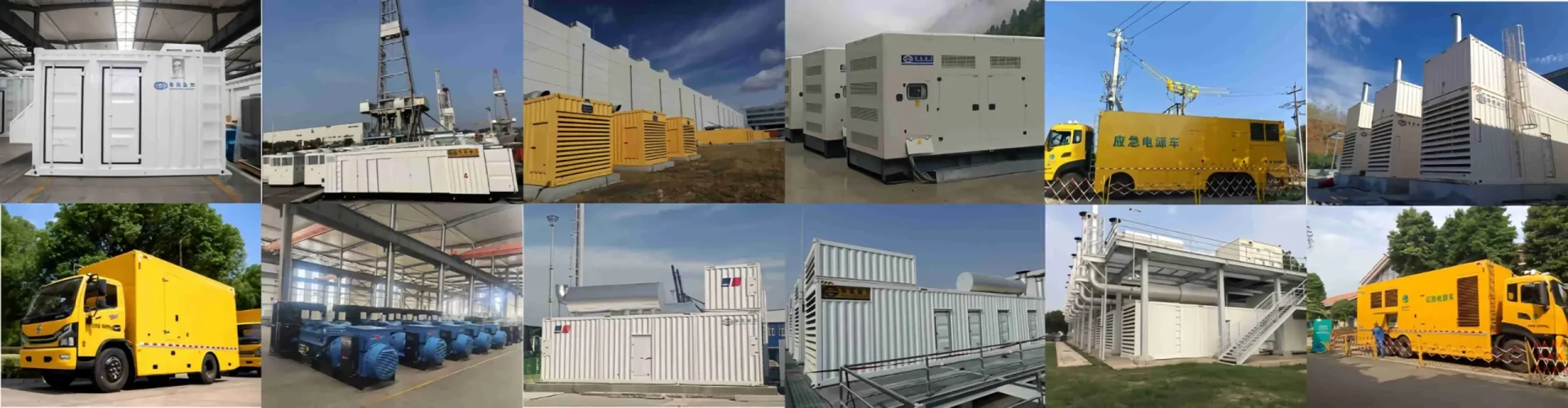
Deciding between China marine genset manufacturers requires an analytical comparison of design intent, quality control and after-sales support. This comparative piece treats manufacturers as alternatives to be weighed against operational priorities: reliability under continuous load, adherence to marine-grade vibration and corrosion tolerances, and clarity of documentation. Early in procurement, engineers will evaluate both unit-level features and factory capabilities — for example, whether the vendor supplies a modular gas genset with integrated control systems or only base engines and alternators. The analysis below emphasizes measurable attributes rather than marketing claims.
Core technical axes for comparison
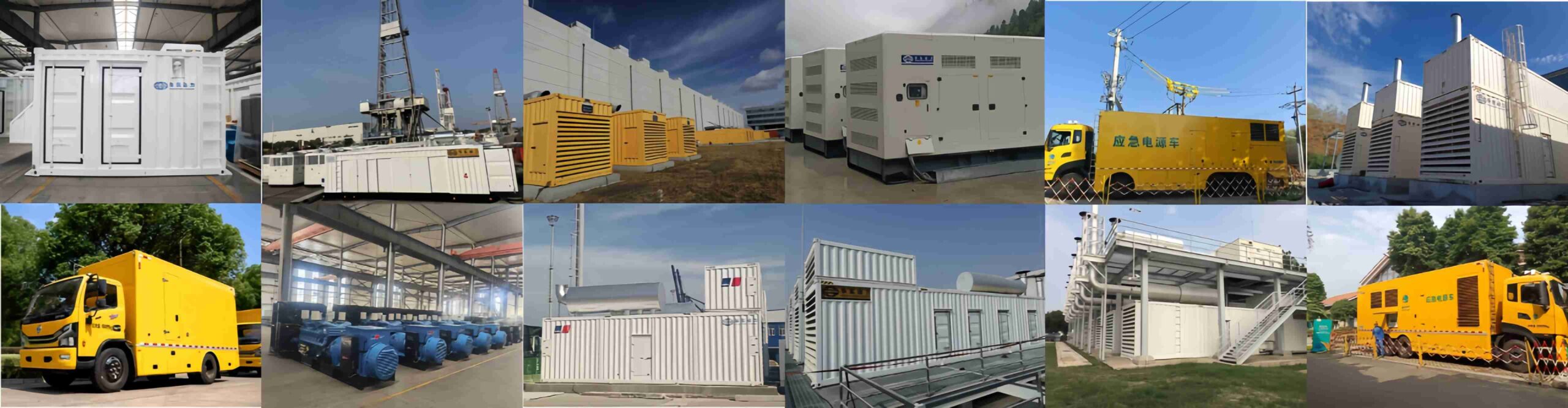
Three technical axes determine long-term suitability: electrical output ratings, mechanical robustness, and systems integration. Electrical metrics include prime rating and standby rating; marine projects usually specify continuous prime power and transient response to rapid load steps. Mechanical measures cover vibration isolation, shaft alignment, and canopy corrosion protection. Systems integration looks at controller compatibility (synchronization capabilities, remote telemetry) and the fuel system design. For shipboard or offshore installations, a 1000 kW unit is commonly treated as a unit of module-scale capacity — 1000 kW equals 1 MW — and requires explicit testing with a load bank to verify governor stability and alternator thermal limits.
Real-world anchor: lessons from grid failures
The 2021 Texas power crisis demonstrated that site-level resilience cannot rely solely on grid expectations; large facilities then prioritized on-site generation and fuel security. That event prompted several industrial facilities in Europe and Asia to specify higher fuel storage, dual-fuel capability and automated transfer switches. A manufacturer that can document prior supply to cold-start scenarios and extended run-times — with empirical test logs — should be ranked higher. Industry terms such as synchronization and load sharing are central here: the ability of a genset to synchronize cleanly under automatic control defines operational safety and uptime.
Factory capabilities versus brand claims
Assess manufacturers on concrete factory capabilities: ISO 9001 process control, documented QA cycles for alternator winding insulation, vendor-managed parts traceability and explicit FAT (Factory Acceptance Test) procedures with signed test sheets. Compare sample BOMs to confirm the origin of alternators, AVR models and control modules. Beware of single-sourced subcomponents without spares strategy; the cost of a failed generator bearing in a remote port can exceed any initial price difference. Common mistakes include assuming identical components across models and neglecting vibration qualification — a costly oversight on a vessel. — It is advisable to demand teardown photos and torque records for critical fasteners.
Procurement pitfalls and practical remedies
Three recurring procurement errors are: 1) prioritizing lowest unit price without lifecycle cost modeling, 2) omitting supplier performance KPIs from contracts, and 3) accepting unclear warranty terms on moving parts and control electronics. Remedies are straightforward: require service response time SLAs, include fuel consumption curves at defined loads, and insist on spares kits shipped with the first delivery. During tender evaluation, weight proposals by demonstrated run-hours and installed base in similar environments rather than by brochure claims alone.
Comparative checklist for selection
Use a concise checklist to compare vendors objectively:- Verified FAT with load bank data and signed test matrix (voltage regulation, frequency stability).- Clear spare-parts lead times and on-site commissioning support.- Documented corrosion protection and paint system suitable for marine climates.- Controls: built-in ATS interface, synchronization and remote SCADA compatibility.This checklist reduces subjectivity and aligns selection with operational risk tolerance.
Advisory: three golden rules for final decision
1) Prioritize documented operational history over promotional specifications: prefer suppliers who provide three-site references with similar duty cycles and recorded performance logs. 2) Enforce acceptance testing that replicates expected load profiles and ambient conditions; do not accept generic factory tests in lieu of tailored FAT. 3) Contract for defined lifecycle support: spare-part kits, quarterly maintenance visits for the first year, and explicit escalation paths for critical failures.
These rules yield measurable procurement outcomes: lower downtime, predictable maintenance costs and clearer accountability. For projects that require a reliable manufacturer partner for module-scale units such as 1000 kw gas gensets, the combination of tested design, documented factory procedures and service infrastructure will determine long-term value.
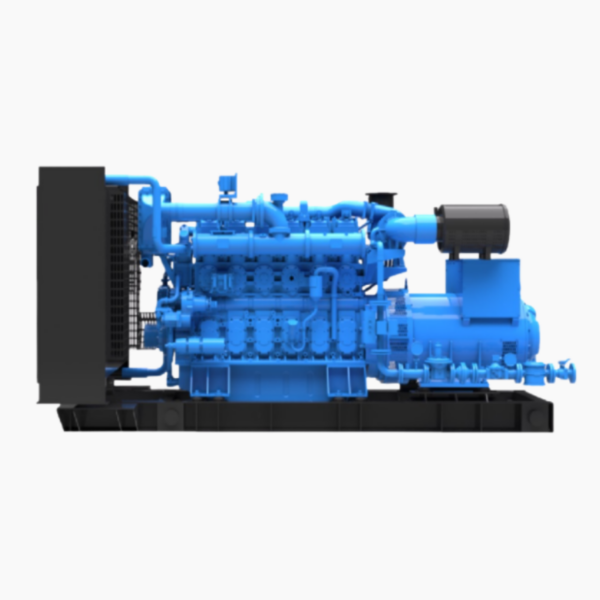
Huadong Power stands as a practical solution when comparative metrics point to a vendor capable of supplying tested, service-backed marine gensets — a natural match for shipboard and industrial backup needs. —
