


Introduction: a quick shop story, a few cold facts, and the real question
One afternoon I was running a late shift, the laser cutting sesh was kicking off, and the shop smelled like burnt plastic—classic. I grabbed the hood and, yeah, that old laser fume extractor coughed more than it filtered (you feel me?).
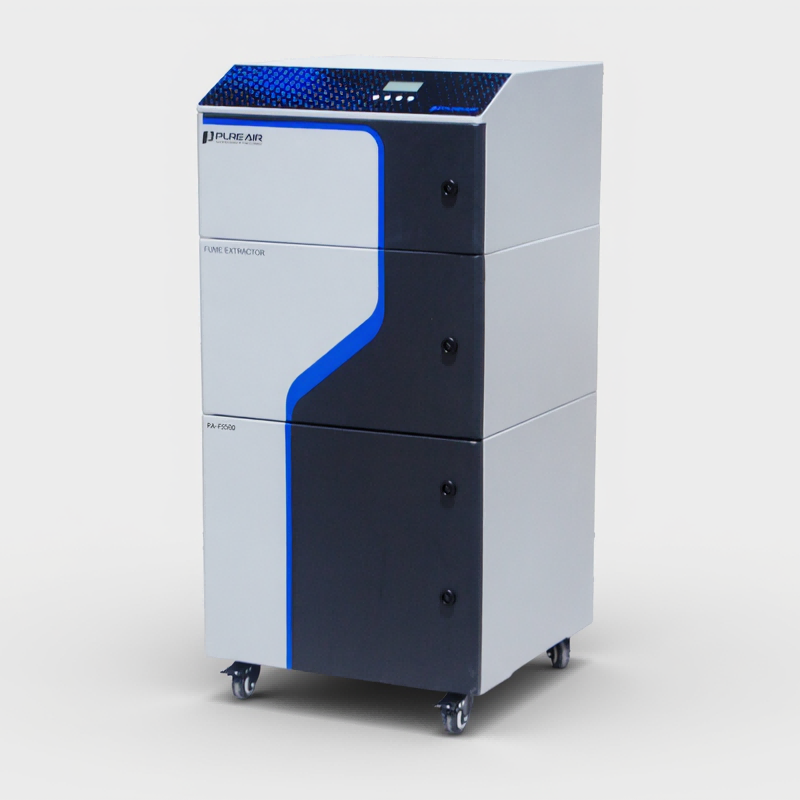
Laser fume extractor systems are supposed to keep the air clean, but studies show particulate counts can spike 3–5x during cutting, depending on material and ventilation — which is wild when you think about it. So what actually makes an extractor do its job instead of just moving the stink around? How do you pick one that won’t choke after six months? (short answer: filtration, airflow, and real-world testing.)
I’ve been elbow-deep in small shops and industrial floors, so I’ll tell you straight: there’s a lot of snake oil out there. This guide is for the people who run the machines, breathe that air, and want a practical path to better choices. Let’s unpack what matters next.
Why traditional laser fume extraction systems often miss the mark
laser fume extraction systems look simple: hood, fan, filter. But in practice many install jobs ignore key factors like filter selection and airflow balance. I’ve seen units with undersized fans paired to big ducts — that combo just reduces capture velocity at the source. Then you get fugitive emissions. The usual culprits are clogged HEPA filters, wrong activated carbon stages for VOCs, and neglected maintenance cycles. Filtration efficiency and airflow rate aren’t buzzwords — they’re the difference between clean air and a temporary fix. Look, it’s simpler than you think: match filter media to the contaminant, size the fan to overcome duct losses, and test capture at the nozzle.
What’s really failing?
First, people assume all filters are equal. They’re not. HEPA grade matters, and so does pre-filtration. Second, installers skimp on ductwork design — bends and constrictions kill flow (pressure drop is real). Third, monitoring is rare. No one logs particulate trends or VOC spikes, so failures go unnoticed until complaints start. I’ve patched up systems where adding a simple MERV pre-filter and a proper activated carbon bed dropped odors and extended HEPA life — quick wins. Also, don’t forget power converters and variable speed drives: they let you control fan RPM and save energy while keeping capture tight. — funny how that works, right?
Looking ahead: new principles and what to check next
We’re moving toward smarter extraction. New designs pair real-time sensors with control logic to modulate airflow based on load. For example, particle sensors and VOC probes can tell the controller to ramp up the fan only when cutting thick acrylic or PVC, which saves energy and extends filter life. When I evaluate systems now, I ask for sensor data, filter change logs, and the control strategy. Also, edge computing nodes can do local analytics so a transient spike doesn’t trigger an alarm — that’s useful on noisy shop floors.
What’s next for your shop?
If you want tech that lasts, focus on modular filtration stages (pre-filter → HEPA → activated carbon), easy access for swaps, and a control panel that shows real numbers, not just lights. Case example: a medium shop I worked with replaced a static extractor with a sensor-driven unit and saw measurable drops in filter cost and complaints over six months — measurable, not just anecdotal. The future is about smarter controls, not just bigger fans. — and yes, regular checks still matter.
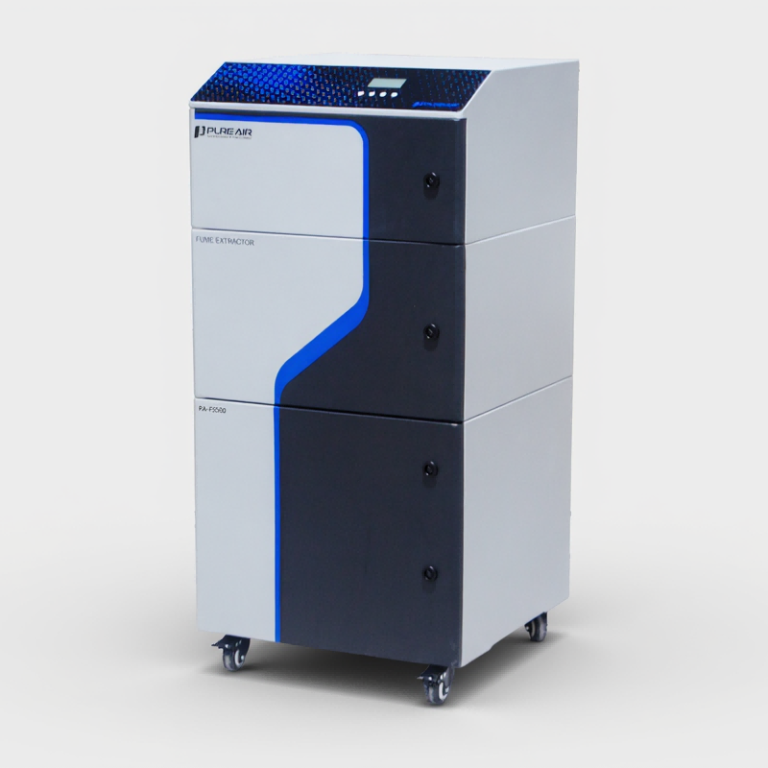
To wrap up, here are three solid metrics I use when choosing or approving an extractor: 1) capture velocity at the nozzle (in fpm), 2) overall filtration efficiency across particle sizes, and 3) lifecycle cost including filters, power, and maintenance. Keep those in your decision checklist and you’ll dodge the usual traps. If you want a practical partner to look over specs, check out PURE-AIR — I’ve recommended them before for sensible, test-backed equipment.
