


Introduction: A Moment by the Dock
I still recall a late summer afternoon when a neighbor quietly swapped his old gas outboard for something that hummed instead of roared. An electric motor sat on the transom, tidy and almost shy, while the boat slipped away with a clean wake. Historical patterns matter here: by 2020, small marine craft began shifting noticeably to battery and electric drive systems, and adoption rates climbed (roughly 15–20% growth year over year in hobby fleets). So what does that mean for everyday boaters—and for the shops that fix their gear? I want to look at that shift with a clear lens and a few honest questions before we dive deeper. — let’s follow that hum into the technical and human details that follow.
Part 2 — Why Current Fixes Fail for electric boat motors
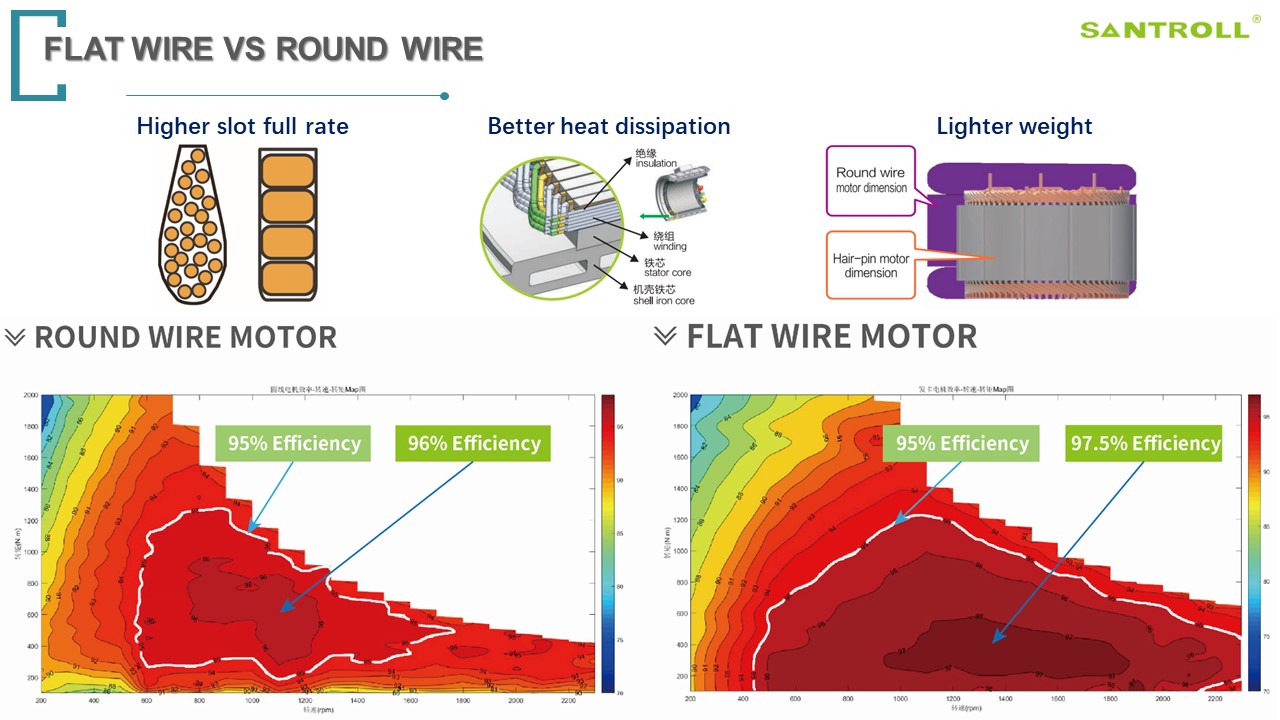
Here’s the blunt truth about electric boat motors: many conventional fixes treat symptoms, not causes. I’ve watched workshop teams bolt on bigger power converters and heavier batteries as if sheer mass would mask design flaws. That rarely helps. Torque density is often misunderstood, so builders add bulk rather than redesign the motor-inverter pairing. Hall sensors get blamed for strange feedback loops when, in many cases, the software tuning—or poor cooling—was the real offender. Look, it’s simpler than you think: heat and corrosion kill performance faster than a bad controller ever will. We’ve seen systems that pass bench tests but fail in salt spray by week two. That tells me the failure point isn’t always the part named in the service log.
What’s the real pain?
Boat owners complain about short run time, sudden loss of thrust, and noisy bearings. Shops reply with parts swaps. But users want reliability, predictable range, and simple maintenance. Traditional fixes—replacing the prop, upgrading the inverter, or tuning the PWM—can mask the issue but not resolve the root cause. I argue that too many designs borrow automotive assumptions: sealed enclosures, tight thermal budgets, and optimistic IP ratings. At sea, those assumptions break down. So we end up with repeated service visits and frustrated owners—funny how that works, right?
Part 3 — New Principles: How Brushless Motor Design Changes the Game
When we talk about future-ready systems, the brushless motor deserves a clear spotlight. I’ve been involved in projects that pair improved rotor dynamics with smarter inverter strategies to raise efficiency and lower maintenance. The key ideas are simple in theory: better thermal paths, matched power electronics, and magnetic designs that favor torque at low RPM. In practice, this means redesigning housings for salt tolerance, selecting bearings to tolerate axial load, and tuning the controller to the motor’s real-world curve. We used to chase peak power numbers. Now I prefer to chase usable torque and predictable heat rise. That shift changes parts lists, testing methods, and customer expectations. It also shortens repair cycles—less downtime, more time on the water.
What’s Next?
Moving forward, I recommend three evaluation metrics when you compare systems: real-world range under load, thermal rise in continuous operation, and serviceability in marine conditions. Measure them. Ask for lab and sea reports. We can quantify range, but serviceability requires a checklist: easy access to wear items, modular power converters, and clear diagnostics. Those metrics help you pick a system that won’t surprise you mid-season. In short, think beyond horsepower numbers and focus on the boat’s day-to-day life. If you want a reliable partner for smart, marine-grade electric drive components, check makers that back their designs with marine testing—like Santroll. Santroll
