


Introduction: A Shop Story, Some Numbers, and a Question
Picture a small fabrication shop where smoke will tek over the room when the torch come on — the boss waan mek sure dem workers stay safe. In that scene, fume extraction technology sit at the heart of the fix, pulling smoke away and improving air quality in real time. Many places notice particle counts jump many times higher during cutting and welding, and a noisy, underpowered fan often can’t keep up (mi been deh — mi know the feeling). So how do we choose a system that truly cuts exposures and keeps the work moving?
I write this from hands-on experience and from talking to shop owners. I want to share plain, useful thinking. We’ll compare practical setups, point out where folks usually go wrong, and then look toward the smarter solutions. Ready fi dive in? Let’s peel back the curtain and get practical.
Where Traditional Systems Fall Short
Start with the basics: an industrial dust and fume extraction system can look right on paper but still fail on the floor. I’ve seen filtration units with big-rated filters yet the plant still smell bad. That’s because people often treat filters as the whole answer while ignoring airflow balance, fan curve matching, and capture hood design. When airflow velocity drops or duct leaks exist, particulate matter simply bypasses the filter or settles in branches. Look, it’s simpler than you think: you need matched components, not just big words on a spec sheet.
What’s actually failing?
Technically, the common weak links are predictable. Poorly sized fans (fan curve mismatch), underspecified HEPA filter stages, and inefficient cyclone separator placements cause trouble. I’ve measured systems where pressure drop rose as filters loaded, and no one adjusted fan speed — result: capture goes downhill fast. Maintenance habits matter too. If the team lacks a simple schedule for prefilter changeouts and leak checks, performance degrades. These are not glamorous fixes; they’re routine. But they’re also the parts I see ignored most. In short: filters are vital, sure — but fan selection, ductwork integrity, and capture hood placement often decide whether a system actually works.
New Principles and a Forward Look
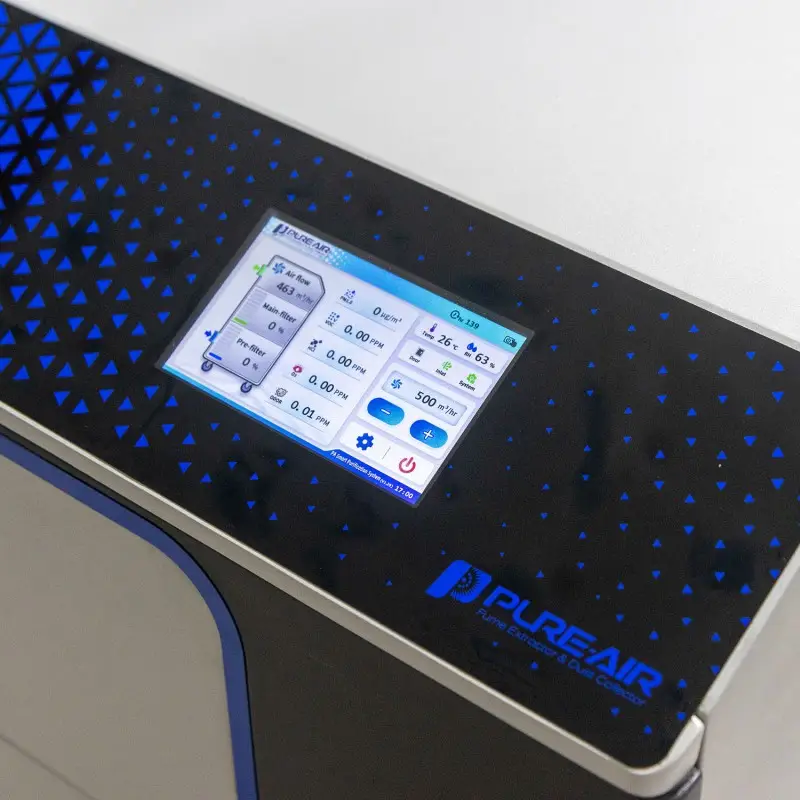
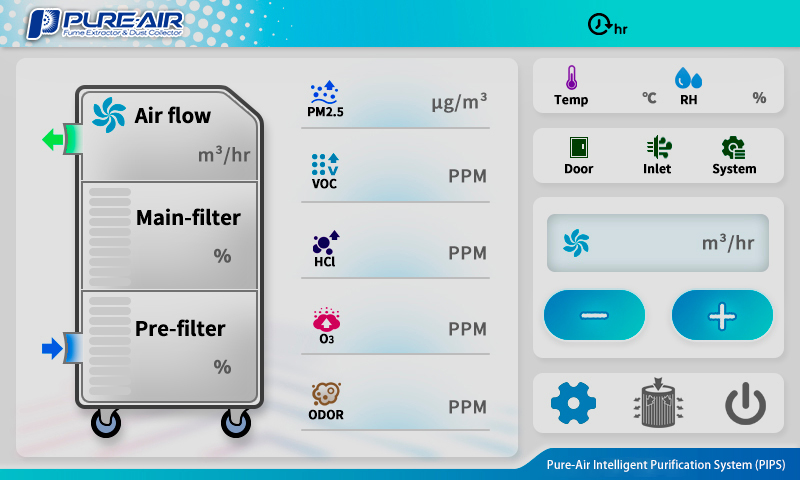
Now let’s shift to a forward-looking frame and think about principles that guide better outcomes. Modern designs mix smarter control logic with robust hardware. For example, variable-speed drives allow fans to keep a target airflow despite filter loading. Edge computing nodes can run local control and alert teams when capture drops below setpoints. Integrating sensible sensors — particle counters, differential pressure gauges, simple anemometers — gives operators real-time insight so they act before problems balloon. When I advise shops I push for systems that are measurable and adjustable, not fixed and forgotten.
What’s Next?
Looking forward, systems will trend toward modular capture, smarter controls, and easier maintenance access. An industrial dust and fume extraction system designed this way reduces downtime and keeps exposures low. Think layered filtration (prefilter + HEPA), matched fan curves, and simple fault alerts that your team can actually use. Small shops get big wins from good design choices — and larger plants cut costs with better monitoring. — funny how that works, right?
Before you decide, weigh these three evaluation metrics: capture efficiency at the hood (measured in real tasks), system pressure stability over time (watch differential pressure trends), and total cost of ownership including maintenance labor. I believe those three tell you more than a flashy filter rating. We’ve seen measurable drops in airborne particulate counts when teams focus on these metrics — and the improvements last. If you want a partner in that process, check practical options and talk to vendors who show test data and service plans. For direct solutions and more resources, I often point folks to trusted suppliers like PURE-AIR.
