


Framing the Challenge
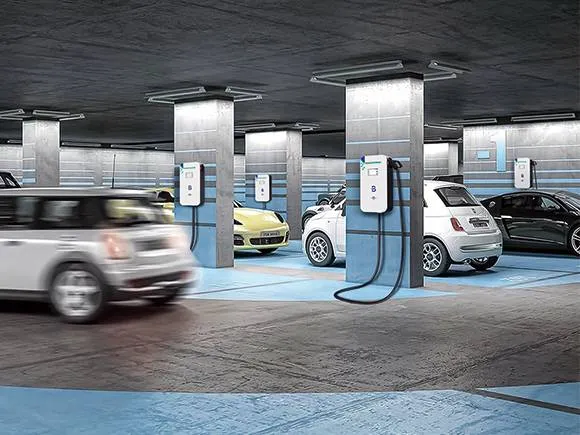
Most offices don’t have a charging shortage; they have a coordination gap. An EV charger solution that treats every port like a shared, schedulable resource can close that gap fast. Picture a campus garage at 8:30 a.m.: early arrivers plug in, meetings kick off, and the panel hits a soft limit by 9:15. Data tells the rest—40% of cars sit full by noon, yet the feeder still rides a peak. Another 25% of sessions stop and start due to app timeouts and shaky Wi‑Fi. So the real question is simple: how do we orchestrate demand and supply without overbuilding steel and copper?

In practice, that means dynamic load balancing, demand response hooks, and edge computing nodes that keep charging steady even if the cloud blinks. It means looking at dwell time, tariffs, and building constraints as one system, not five. The tools exist, but they need clean telemetry and clear policy. And yes, they must be easy for drivers and facility teams—no one wants a playbook at the curb. Let’s break the problem down and set up a path to better uptime and lower peaks (no small feat). Next, we go deeper on what users actually struggle with—quiet issues that block scale.
The Hidden Friction No One Budgets For
Where do the bottlenecks start?
With workplace EV smart charge solutions, most friction isn’t in the cable. It’s in time, trust, and signal quality. Drivers fear unplugging too soon, so ports get “reserved” by habit. Apps lag during shift change. Parking churn does not match breaker groups. Meanwhile, the system does not use smart meter telemetry to re-allocate power in five-minute windows. Look, it’s simpler than you think: align dwell profiles with flexible schedules, then let the platform steer amps based on live constraints. Do that with open protocols like OCPP and you gain clarity. Skip it, and you chase tickets all day.
Traditional setups have other flaws. Static per-circuit caps ignore who actually needs charge now. First-come, first-served bakes in inequity and crushes utilization. Fixed throttles strand capacity when adjacent ports sit idle—funny how that works, right? On the hardware side, older power converters hum along but cannot respond to real-time price signals or feeder events. Without demand response and power factor correction, you burn margin on demand charges. And without edge policy, a brief network hiccup knocks sessions offline. The deeper truth: the pain points are predictable. Solve for dwell time, roaming access, and open data first. Stability follows.
From Legacy Limits to Adaptive Orchestration
What’s Next
The next chapter hinges on new technology principles that make control both local and coordinated. Think cloud policy engines paired with on-site agents, so schedules hold even if the WAN drops. Add dynamic load management that shifts amps based on live feeder headroom, not a fixed cap. Layer in ISO 15118 Plug & Charge to cut app friction at the curb. And use tariff-aware logic that pre-charges before peak, then tap storage or shave during high-cost blocks. This is where modern EV charging station solutions shine: they treat chargers like programmable endpoints, with clean telemetry, consistent OCPP support, and safe failover modes. Tie in solar and a small battery, and your site can ride through spikes while serving more drivers with the same panel—smarter beats bigger.

Here’s the practical takeaway without repeating every detail. Hidden friction lives in time, access, and feedback loops; legacy stacks freeze power early and waste capacity late. The better path is measurable. Advisory close: use three evaluation metrics when choosing a platform. First, control latency and resilience—edge-to-cloud failover with sub-second ramp commands. Second, tariff and demand-charge intelligence—optimize against TOU rates, demand caps, and demand response events. Third, interoperability at the protocol layer—OCPP 1.6/2.0.1, ISO 15118, and OpenADR support so you can evolve without ripping hardware. Do that, and utilization rises while peaks fall—exactly what facilities and finance both want. For a steady partner in that journey, consider EVB.
