


Introduction: The Real Cost of a Dropped Word
Clarity in a meeting is not a luxury. In a wireless conference system, it is the basic condition for trust and action. Picture a council session spread across two halls, with interpreters and a live stream. When the air is busy, RF traffic rises, and packet loss follows. Even 5–10% drops can break meaning. Add a 30–50 ms latency budget and speakers cut each other off. It feels small, but it is not. One misheard number can change a vote (we have seen it). The question is simple: what shapes reliability more—the protocol, the room, or the way people use the gear? Let us move from myths to mechanics, and see where the real limits begin.
Hidden Pain Points: Beyond the Spec Sheet
Using the taiden wireless conference system as a lens, we can map quiet pain points that do not appear in a brochure. Start with RF congestion. It grows as the building wakes, and QoS rules start to fight with human timing. The latency budget shrinks when you add interpretation and video. Small buffers help, but they add jitter when the room fills. Beamforming looks like a cure, but it also needs stable power and clean placement. Look, it’s simpler than you think: the chain is only as strong as the noisiest corner—cables, chargers, even doors that block line-of-sight for a second. And people need quick setup. If pairing or channel checks take too long, the process breaks down under real deadlines.
Where do legacy setups fall short?
Old habits depend on manual channel picks, wide guard bands, and “good enough” diversity. In a modern city center, this is not enough. You get surprise intermod hits during lunch, or microphones that hunt for a link after a battery swap—funny how that works, right? Power converters can add a soft hum that rides into the DSP path. It is small, but it steals headroom. Then there is handover risk when chairs move with the mic. If roaming logic is slow, words clip. Most teams do not see this in a quiet test. They meet it live, when 80 devices go up at once. The real pain is not a big failure. It is the many tiny cuts: half-words lost, delays in turn-taking, and confusion about who holds the floor.
Comparative Outlook: Infrared vs. RF—What Changes Next?
What’s Next
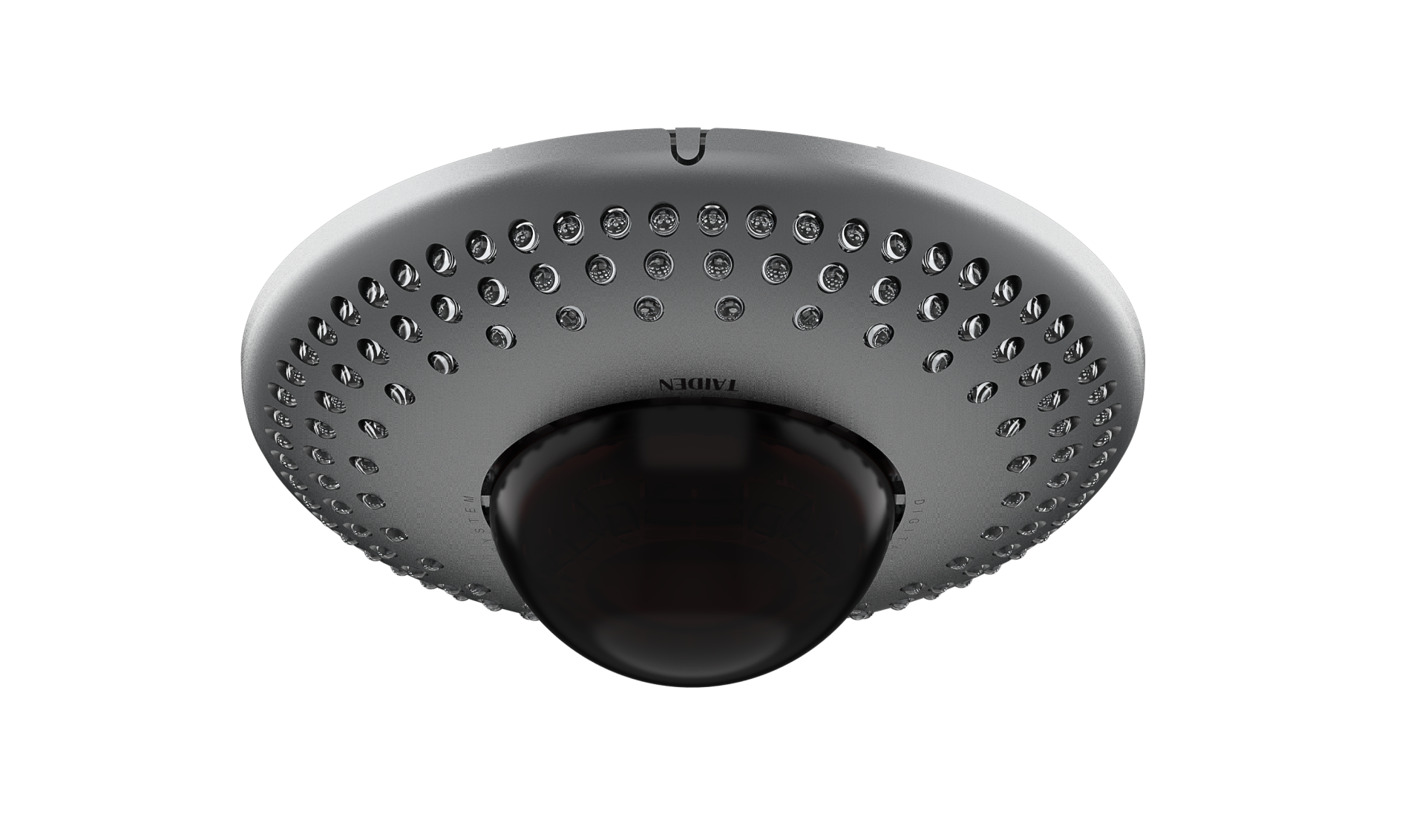
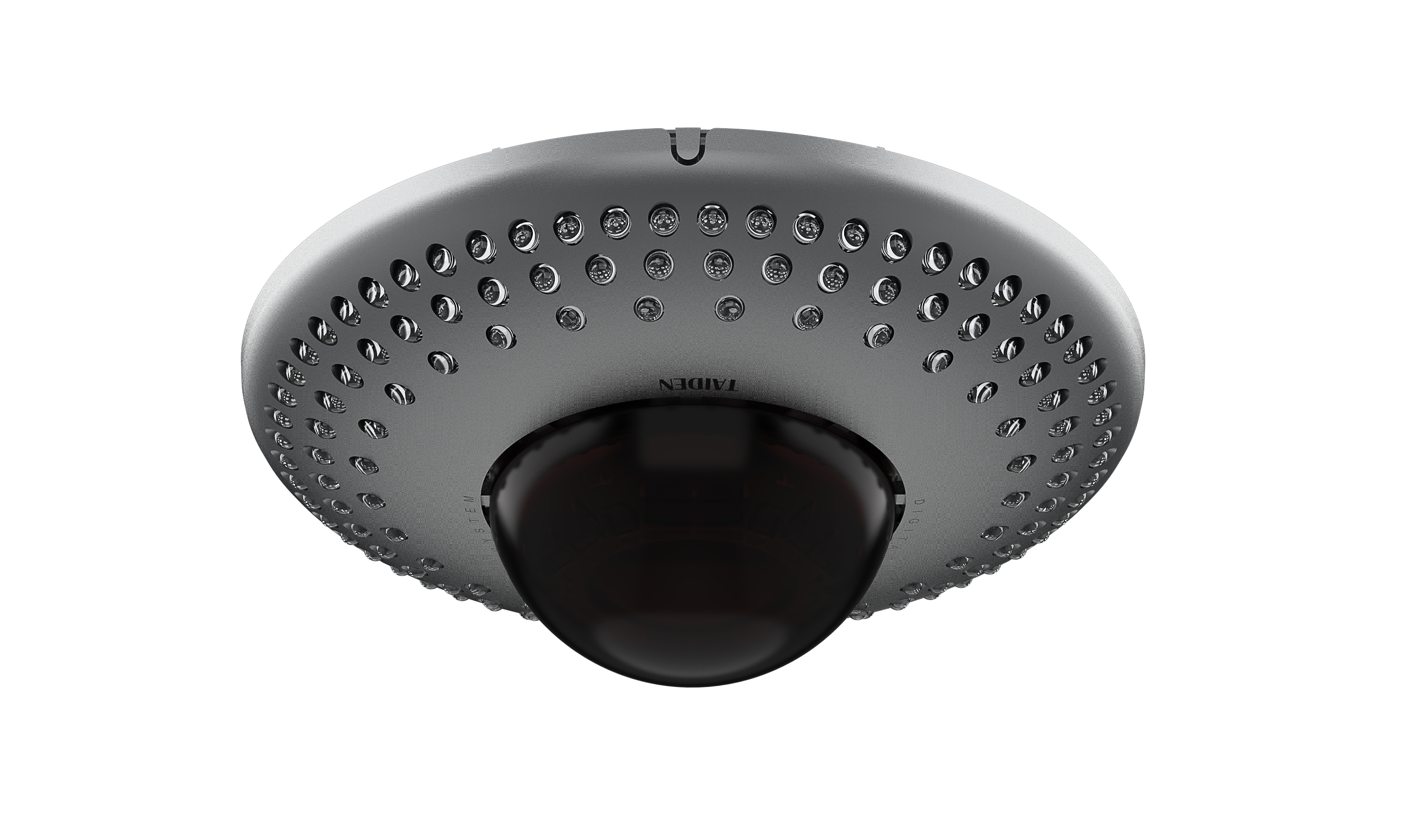
We are entering a mixed era where RF and light work side by side. An infrared wireless conference system cuts past RF traffic by leaving the radio band. It uses line-of-sight, so walls and hallways act like natural borders. This isolates rooms without extra filtering. Security improves as well. AES-grade ciphers defend data, but infrared adds physical containment—what does not pass through walls cannot leak. The DSP pipeline stays stable because the link is not fighting for spectrum. It helps keep jitter low and speech timing intact. There is a trade, of course: light needs coverage planning. Yet modern ceiling arrays make this boring in a good way—panels cover zones like tiles, with overlap for movement.
In comparison, RF stays flexible for hybrid spaces. It supports roaming and works through obstacles. The trick is to use it with intent. Set strict QoS, cap device counts per access point, and test under full load. Some councils now run RF for auxiliary press seats and use infrared for delegates. Each room becomes its own island. Fewer surprises. Fewer crossed signals. This is not theory; it is a future that is already unevenly spread—and yes, you will notice when the afternoon session sounds like the morning session, not worse. It feels calm because the system’s behavior is predictable.
Practical Evaluation: Choosing What Fits Your Rooms
First metric: interference isolation under real load. Measure packet loss and end-to-end delay at peak occupancy, with doors opening and people moving. Second metric: coverage discipline. For RF, verify channel plans and roaming behavior; for infrared, validate line-of-sight mapping and recovery after brief occlusion. Third metric: power and lifecycle. Check runtime per charge, charging noise from power converters, and how fast devices rejoin after a swap. These numbers tell the truth. They also show when a mixed design—infrared for core speech, RF for flexible seats—makes the best sense. Choose what reduces friction for people, not only what wins on paper. For steady results across many rooms, consistency beats cleverness. Learn the rhythm of your spaces, then match the protocol to it. TAIDEN
