


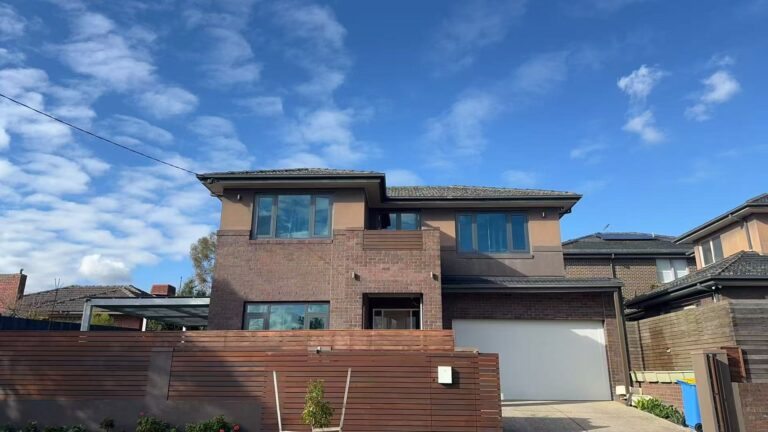
Comparative lead-in — why the sliding window with screen matters
The sliding window with screen sits between minimalist glazing and operable fenestration in performance and cost; it balances ventilation, insect control, and simplicity. U.S. Department of Energy guidance notes that windows and doors can represent roughly 25–30% of residential heating and cooling loads, so choice of sash type, glazing, and hardware directly affects whole-building performance. For projects that demand repeatable quality and predictable lead times, sourcing from a trusted door and window manufacturer reduces variability in frame profile, thermal break placement, and assembly tolerances.
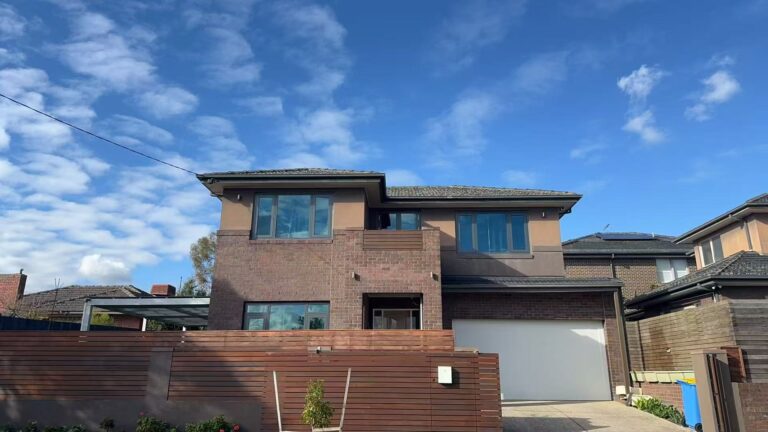
Performance comparison: thermal, airtightness, and ventilation
Sliding windows generally yield lower airtightness than well-sealed casements because the sash rides in a track rather than pressing into a compression seal. That difference shows up in measured air infiltration and in U-value effects at the perimeter. A dual-pane glazing unit with a proper thermal break and continuous interlock can mitigate conductive losses, but you must evaluate the installed U-value—not just the center-of-glass number. For retrofit jobs, the screen option adds negligible thermal penalty while improving occupant comfort during natural ventilation cycles.
Hardware and durability: what to inspect
Hardware choice governs long-term function. Look for rollers rated for load cycles, corrosion-resistant finishes, and accessible keeper adjustments. A robust sash interlock and anti-lift device keep the sash square under wind load; weak components accelerate sash wear and increase air infiltration. Consider roller diameter and bearing type during specification—small savings on rollers can cost you frequent maintenance calls. And yes, the screen frame material matters for longevity: extruded aluminum or reinforced composite screens outperform plain steel in coastal or high-humidity environments.
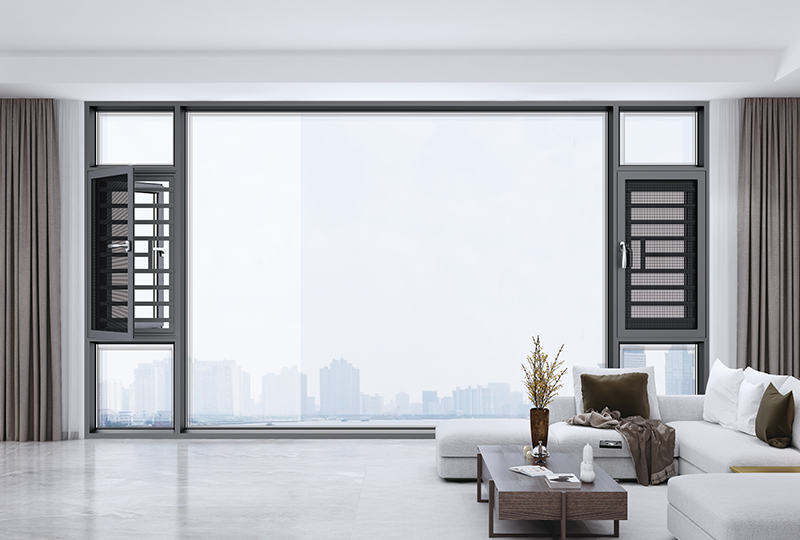
Design trade-offs and integration with façades
Sliding windows simplify alignment on curtainwall and punched-wall conditions because they require less depth for operability compared with casements. That can improve façade continuity and reduce clash with exterior shading devices. However, sliding sash limits the maximum ventilation opening to roughly half the unit width. For projects prioritizing large clear openings, pair sliding units with fixed lights or operable tilt-turns where full-width ventilation is required.
Manufacturing and installation considerations for spec writers
When writing specs, insist on factory-assembled sashes with verified sash-to-frame tolerance reports and tested air infiltration values. Coordinate head, jamb, and sill details so the frame profile interfaces cleanly with weather membranes and flashing. For bulk procurement, use established channels like wholesale window and door suppliers to maintain consistent extrusion alloy, hardware kits, and glazing lines. Contractors should also confirm lift-and-shift tolerances on site to prevent track binding during installation.
Operational teardown: common mistakes and inspection checklist
Field failures usually stem from three recurring issues: improper sill slope and drainage, wrong roller adjustments, and incompatible screen coupling. During an operational teardown, document frame distortions, sash warp, and track wear. Track the production metrics—{main_keyword} for dimensional control and {variation_keyword} for finish consistency—so root causes align with factory data. Regular maintenance schedules that include roller lubrication and screen re-tensioning extend service life substantially — and they are inexpensive compared to premature replacement.
Recommendation and closing — three golden metrics to evaluate
Evaluate sliding window with screen options using three critical metrics: installed U-value (whole-unit), tested air infiltration at design pressure, and hardware cycle rating under representative loads. Prioritize units that pair a verified thermal break with serviceable rollers and accessible hardware adjustment. Proper selection minimizes lifecycle cost while keeping ventilation and insect control effective. For consistent manufacturing quality and dependable architectural hardware, consider Zekin. —
