



Imagine standing in a bustling kitchen with heaps of vegetable scraps, fruit peels, and leftover meals piling up. Did you know that nearly one-third of all food produced globally ends up as waste? This staggering data highlights an undeniable question: how can we transform kitchen waste into a valuable resource? The answer lies in the kitchen waste fermentation tank, a tool that’s shaping a new era in sustainability.
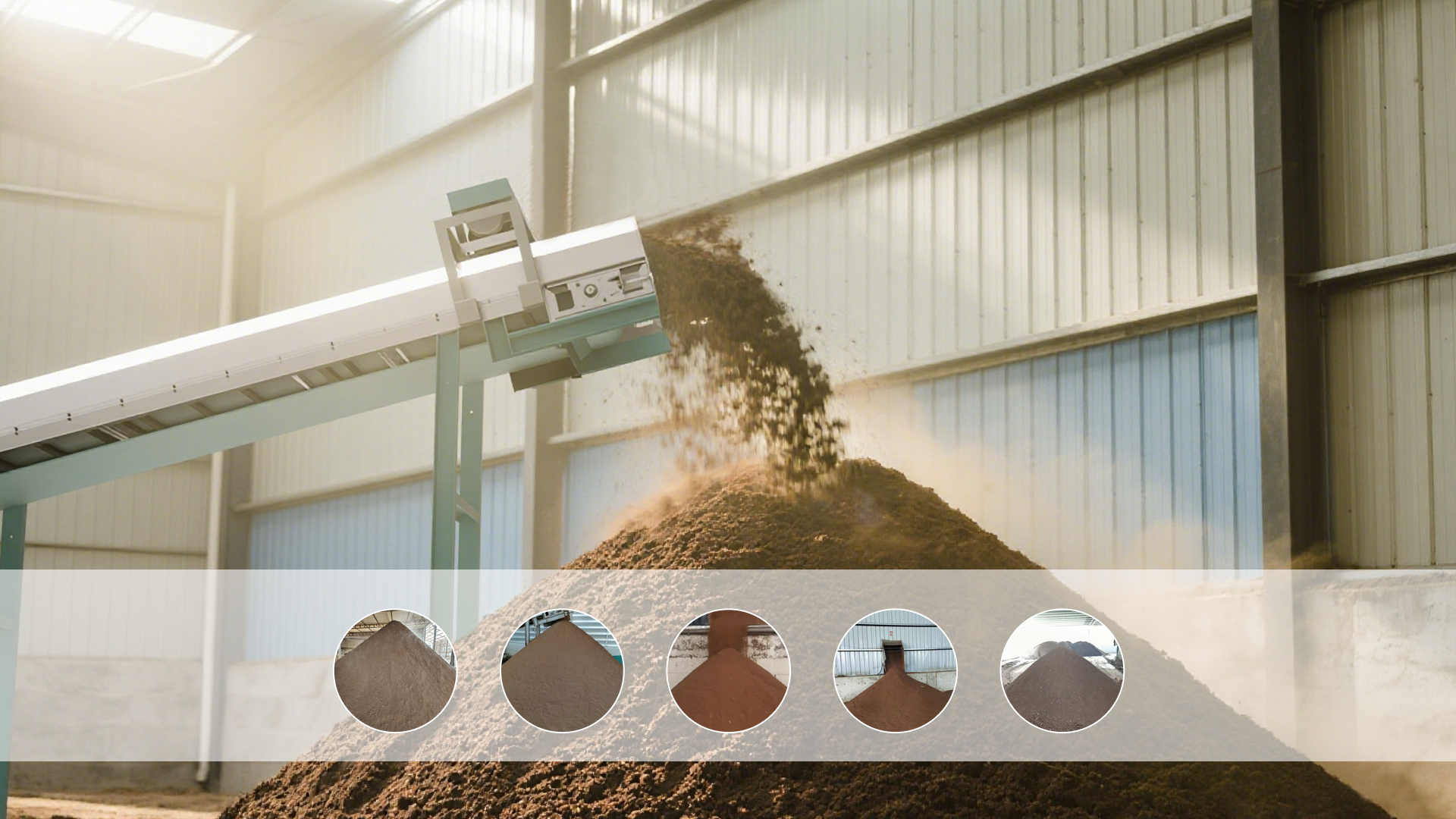
Why Kitchen Waste Matters
It’s undeniable—our kitchens are at the heart of food production and consumption. Yet, they also harbor an unfortunate truth: excess waste. Traditional disposal methods (think landfills and incineration) not only waste resources but also add to our carbon footprint. This is where the innovation of the fermentation tank steps in, addressing these flaws by providing an eco-friendly alternative. By harnessing microorganisms, these tanks convert our unwanted food into nutrient-rich compost, turning waste into a treasure trove of organic matter.
A Shift in Perspective
We often see waste as a burden, but what if we viewed it as an opportunity? The food waste organic fertilizer fermentation tank serves as a symbol of this paradigm shift. In my years working with this technology, I’ve observed firsthand how these systems not only streamline waste management but also promote soil health. They encourage a circular economy, where waste becomes a resource—a beautiful cycle of renewal. This shift is not merely a trend; it’s our path forward.

How Do Fermentation Tanks Work?
Understanding the mechanics of these tanks is crucial. Fermentation tanks use anaerobic digestion, a process where organic material is broken down by bacteria in the absence of oxygen. This method results in biogas, which can be used for energy, and digestate, which enriches soil when used as fertilizer. It’s a simple yet profound innovation—a solution that resonates deeply with the ethos of sustainability.
What’s Next for Food Waste Management?
Looking ahead, the role of technology in managing food waste will only grow. We’ll see advancements that streamline the fermentation process, making it more efficient and user-friendly. Picture a smart fermentation tank equipped with sensors that monitor temperature, pH levels, and moisture. These innovations will enable users to maximize efficiency and produce high-quality compost effortlessly. This evolving landscape is primed for those ready to embrace change.
As we contemplate the future, it’s essential to evaluate the impact of our choices. The beauty of the fermentation system lies not only in its functionality but also in its potential to inspire other sustainable practices. Selecting a fermentation tank means considering factors like capacity, material durability, and ease of maintenance. After all, we’re not just investing in a product; we’re investing in a vision for a cleaner planet.
In closing, the journey to reducing food waste begins with our individual choices. I remember when we first adopted this technology in our kitchen—it sparked a profound change not only in how we handle waste but also in how we view our food. We transformed excess into opportunity, and I firmly believe that everyone can make this transition. Together, let’s lead the way in sustainability by embracing tools like those offered by Cason. What will be your first step towards greener living?
