


Introduction: A clear scene, a hard number, a simple question
I start with a scene many lab managers know: a full run of samples, machines humming, results due by noon. Automated nucleic acid extraction sits at the heart of that scene, moving raw swabs through lysis and binding so we can get to PCR. Recent audits show that up to 12% of routine runs have trace failures—failed wells, low yields, or inconsistent Ct values (that number surprised me). Why do these failures persist even with modern instruments, trained staff, and validated kits?
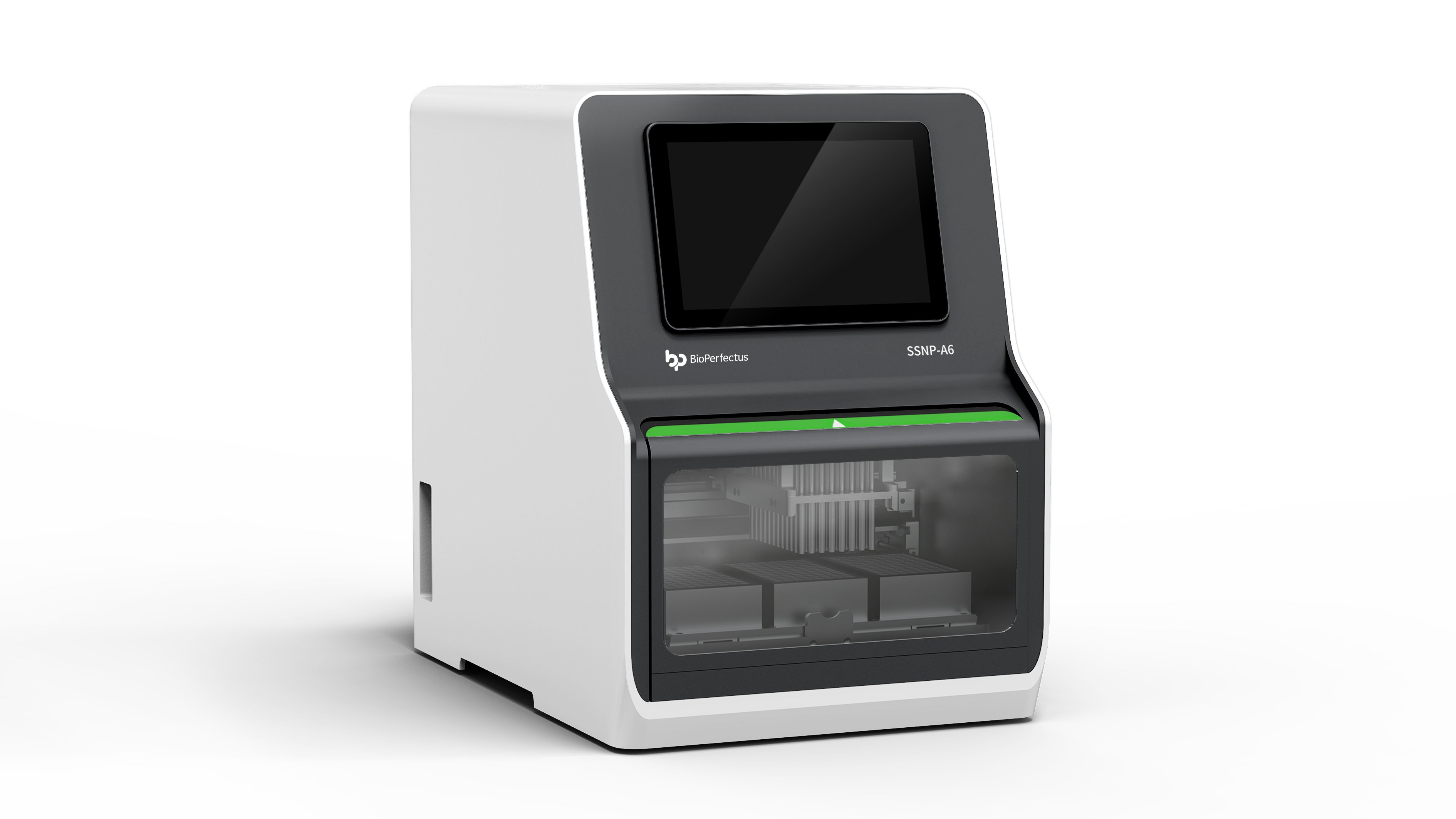
I want to frame the problem with plain terms: we have a technical workflow, measurable inputs, and a recurring output error. I’ll describe specific failure modes, where user pain hides, and what to look for when choosing or troubleshooting systems. My goal is practical: give you the tools to spot causes fast and act. Next, I’ll dig into the mechanics behind the errors and why they matter for throughput and data integrity.
Part 2 — What breaks and why: deeper problems under the hood
I’ll say it plainly: most issues are avoidable with clearer design and honest trade-offs. The main topic here is the automated nucleic acid extraction machine, and I’ve watched several models trip over the same small hurdles. Look, it’s simpler than you think—carryover contamination often comes from poorly designed tip paths or inefficient magnetic bead handling. I’ve seen lysis buffer volume errors and bead loss reduce yield. Throughput ambitions can mask subtle problems; push a system to high throughput and you magnify any small variance into a run-wide failure.
Why does this break down?
There are two common fault lines. First, mechanical tolerance. Robotic arms wear, tip seating gets sloppy, and magnetic racks shift by fractions of a millimeter. Second, chemistry meets mechanics—magnetic beads and viscous lysis buffers don’t behave like water. If the instrument’s pipetting parameters aren’t tuned for viscosity, you lose eluate or carry contaminants forward. Those are not theoretical risks; they are everyday pain points that lead to repeats and wasted reagents. I’ve fixed systems by adjusting aspiration speeds and reprogramming mix cycles. Sometimes it’s policy—sample prep timing and pre-lysis incubation can change everything. Frankly, I feel frustrated when vendors gloss over these in spec sheets—users need plain guidance, not marketing copy.
Part 3 — What to expect next: principles and practical metrics
What’s next? The next wave focuses on adaptive control and better fluid dynamics. I’m talking about sensors that monitor liquid level, software that adjusts pipetting on the fly, and magnetic bead chemistry tuned to automated workflows. These principles—real-time feedback, closed-loop controls, and assay-aware protocols—reduce operator guesswork and cut reruns. The automated nucleic acid extraction machine I evaluated recently used liquid sensors and protocol profiles that adjusted for viscosity. The result: fewer failed wells and steadier Ct values. — funny how that works, right?
What to measure when choosing a system
I recommend three core evaluation metrics you can actually use at the bench: 1) Effective recovery rate under realistic sample matrices (not just buffer); 2) Operational robustness—mean time between failures and ease of routine maintenance; 3) True throughput, measured as completed, validated sample sets per hour including necessary controls and duplicates. Test with clinical-like samples, include PCR inhibitors and low-copy targets, and watch for consistency across runs. I prefer vendors that provide raw run logs and allow parameter tweaks. We should demand transparency.
In my view, the right machine balances smart hardware and honest software. If you adopt those metrics, you’ll pick systems that save time, reagents, and sleepless nights. For teams looking to upgrade or validate options, check vendor case notes and insist on a real-world trial. For labs that want a starting point, I’ve seen reliable results with systems that combine adaptive pipetting, magnetic bead optimization, and easy service access. For vendor details and product information, consider exploring BPLabLine as a resource.
