


Introduction: A Question of Performance and Promise
Have we truly measured how much small choices change big outcomes? I ask this as someone who has watched projects stall over tiny mismatches in spec. In many projects the electric motor sits at the heart of the outcome, yet we often treat it like a black box. Recent field metrics show systems losing 5–12% efficiency to poor control integration and thermal drift (an annoying but fixable leak). So what does that mean for real products and real people — and where do we start?
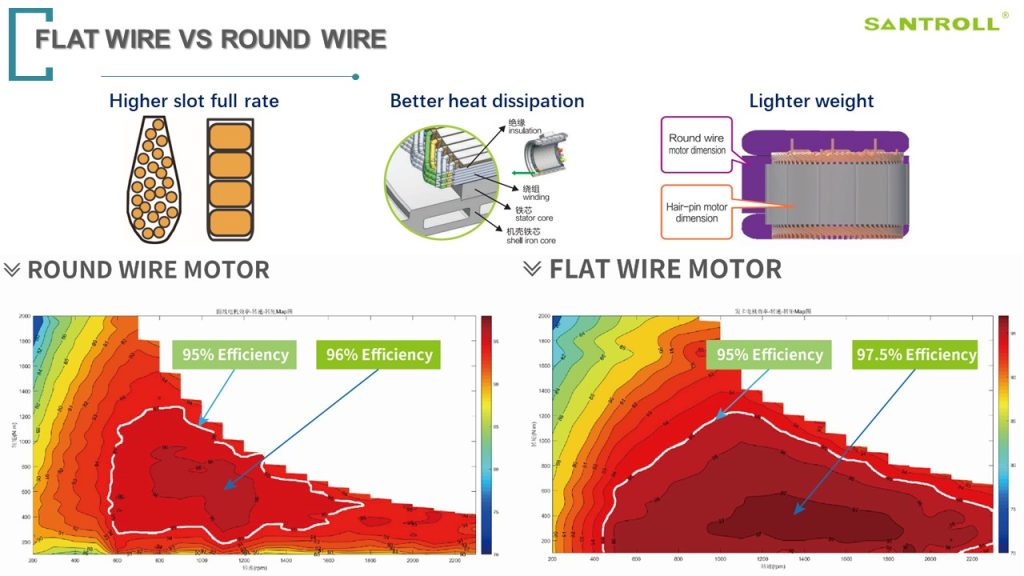
I speak here as a practitioner and a bit of a pessimist by trade: we can do better, and frankly, we must. The scenario is familiar: a compact drive needs higher torque at low rpm, but power converters and cooling budgets are tight. Stakeholders ask for reliability and low cost at the same time. How do we balance torque, thermal limits, and cost without sacrificing time to market? In short — how do we evolve design choices so they scale?
These questions set the stage. Next, I’ll dig into what commonly fails beneath the surface and why our fixes often miss the mark.
Deep Dive: What Often Goes Wrong with Brushless Designs
When I say brushless motor, most engineers picture higher efficiency and longer life. Yet the reality on the factory floor is messier. Designers lean on familiar fixes — larger bearings, higher-rated inverters, raised current limits — but these patches hide deeper flaws in system thinking. Look, it’s simpler than you think: if control algorithms and mechanical damping aren’t harmonized, you get torque ripple, extra vibration, and early wear. Hall sensors, commutation strategies, and thermal runaway thresholds interact. Ignore one, and the rest suffer — funny how that works, right?
Why do standard fixes fail?
From my experience, standard fixes fail because they treat symptoms, not interfaces. We boost voltage to chase more torque. We over-spec the inverter to “cover” unexpected loads. Yet we rarely revisit the matching between motor inductance, controller bandwidth, and the application’s duty cycle. That mismatch increases losses and shortens bearing life. Another common error: assuming a canned control map will fit every load profile. It doesn’t. Modern systems need tuned vector control and careful thermal maps. Without those, the result is power loss and unpredictable maintenance — and teams blame the motor when the real culprit is integration. I want to be blunt: integration matters more than isolated component ratings.
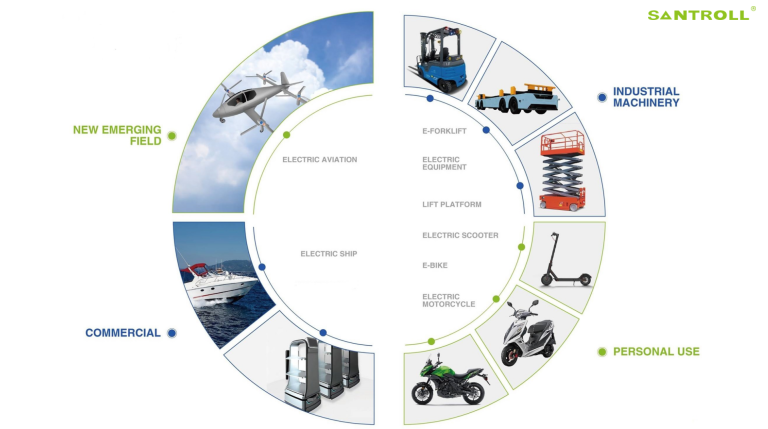
Forward Look: New Principles and Practical Metrics
We are at a turning point. New control strategies and design tools let us rethink the whole motor-drive pair. For future systems I favor a principles-first approach: match the motor’s electromagnetic design to the intended torque-speed profile, use adaptive control to trim performance on the fly, and design thermal paths as core features rather than afterthoughts. Consider how a modern pmsm motor can be paired with model-predictive control to cut energy use during light cycles and to shape torque where it’s needed. That pairing reduces peak stress and buys us longevity — and yes, that matters.
What’s Next?
Practically, I recommend three evaluation metrics we now use before we pick a path: 1) Effective torque per watt across the duty cycle (not just peak torque), 2) Integrated thermal margin under expected ambient profiles, and 3) Control adaptability — how easily the drive updates commutation and filtering to match the load. Use these metrics as gates during design reviews. They force hard choices early and reveal hidden trade-offs.
We’ve learned to favor system thinking over component shopping. I’ve seen teams save months of rework by fixing the control-to-motor interface early. If you follow these lessons, you reduce surprises and get predictable results. For reference and sourcing, I recommend exploring trusted partners such as Santroll when you need reliable hardware and application guidance.
